Samsung Healthcare Debuts New Radiography System, Unifies Ultrasound Software
The company's RSNA 2026 lineup includes a ceiling-mounted radiography system, a common software architecture across ultrasound platforms, and mobile CT technology.
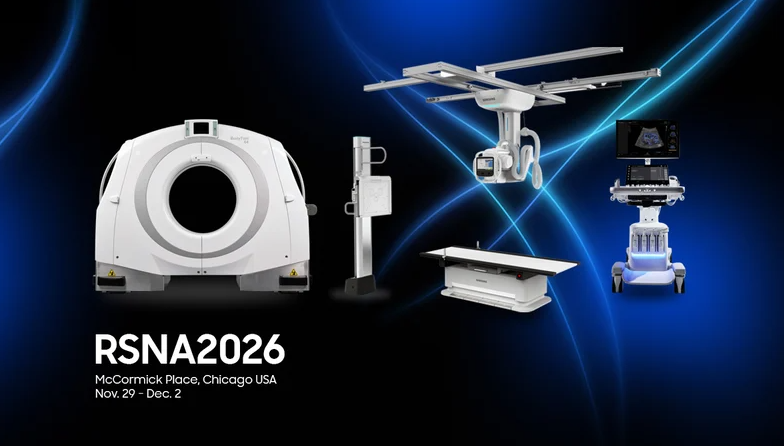
The company's RSNA 2026 lineup includes a ceiling-mounted radiography system, a common software architecture across ultrasound platforms, and mobile CT technology.

Three clinical engineers discuss the challenges of managing connected medical devices, from troubleshooting and cybersecurity to the skills and strategies departments will need in the years ahead.



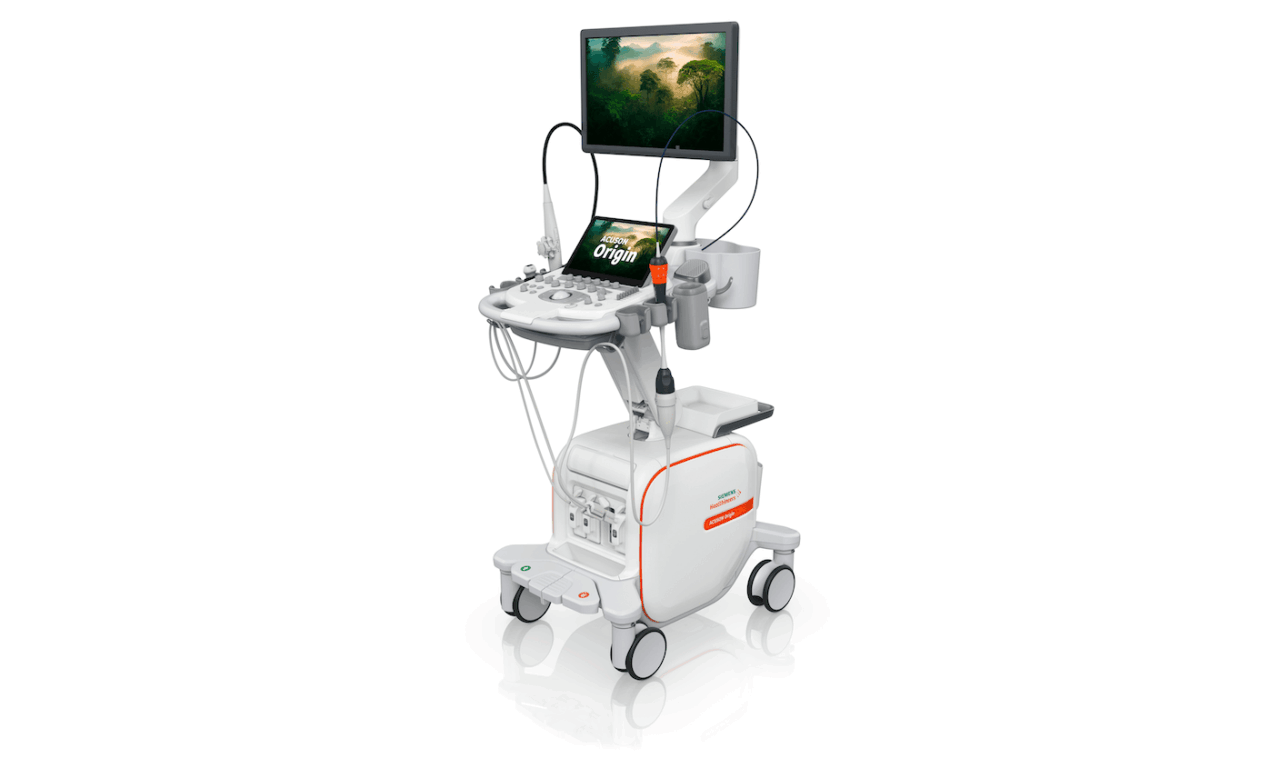
Siemens Healthineers is ending sales of four general imaging ultrasound systems as it shifts its focus to cardiovascular procedures and image-guided therapies.
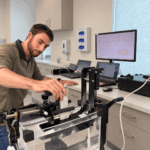


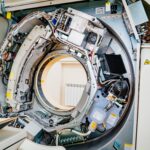
The company's RSNA 2026 lineup includes a ceiling-mounted radiography system, a common software architecture across ultrasound platforms, and mobile CT technology.
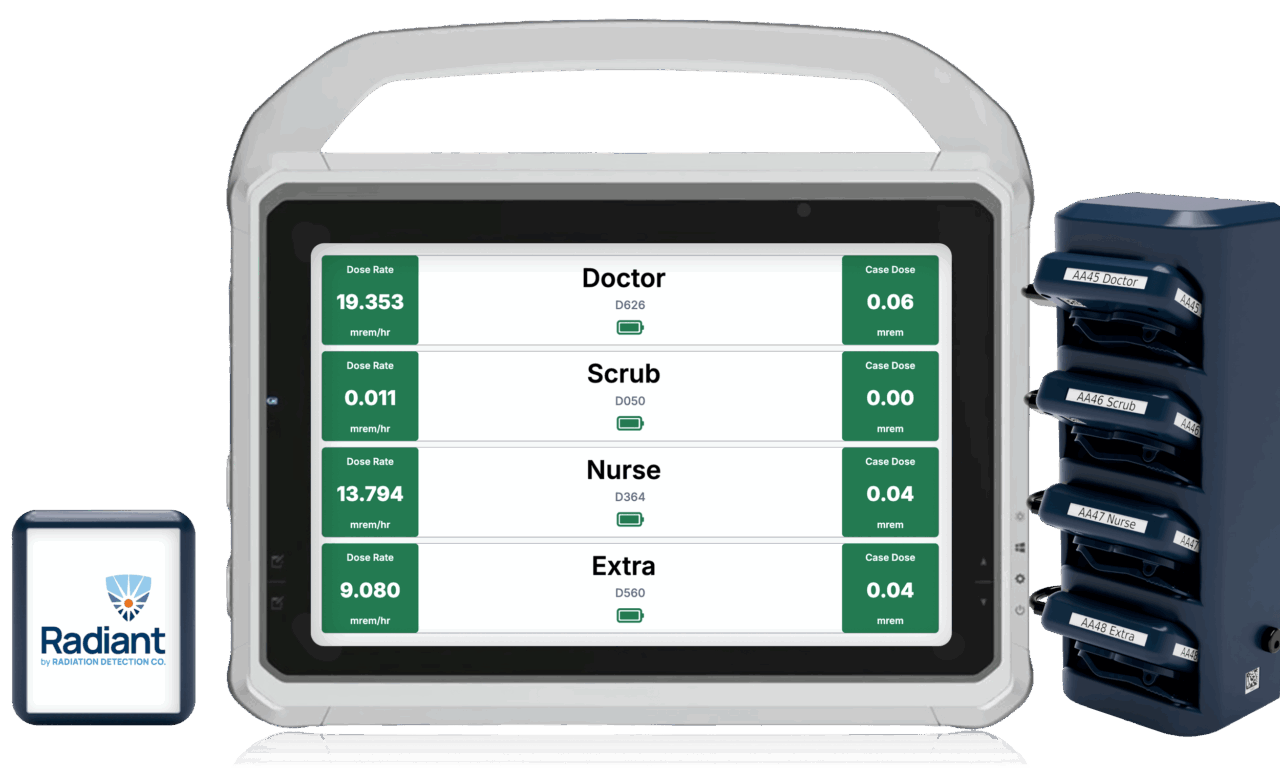
The new technology provides immediate data on radiation exposure during high-risk medical procedures.

The project adds 40,000 square feet to Siemens Healthineers’ sole global manufacturing site for PET detectors used in its PET/CT scanners.

Unseated internal flow transducer connectors can trigger device reboots and therapy interruptions, prompting updated checkout and handling protocols.
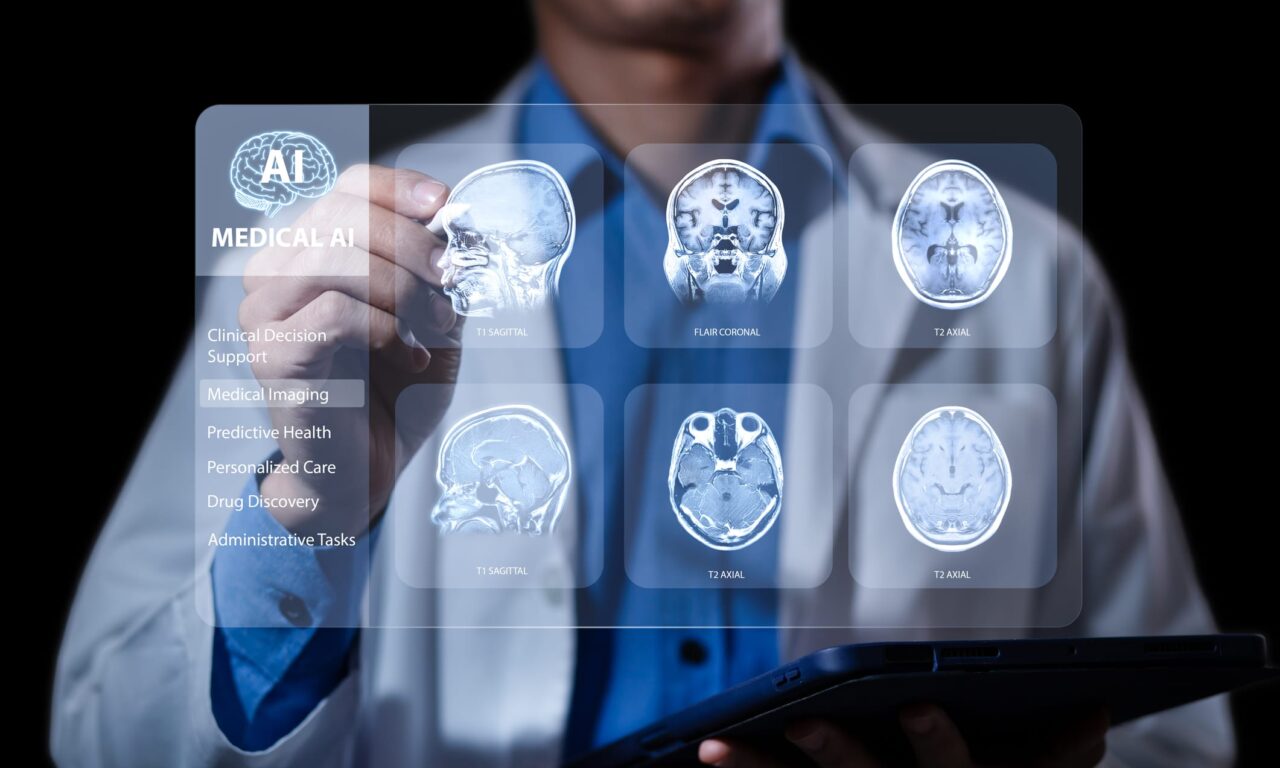
FDA-authorized AI medical devices remain heavily concentrated in a handful of specialties despite rapid growth in the number of authorizations, according to a new analysis.

The collaboration will make BC Group’s biomedical test and measurement equipment available through reLink Medical’s marketplace.
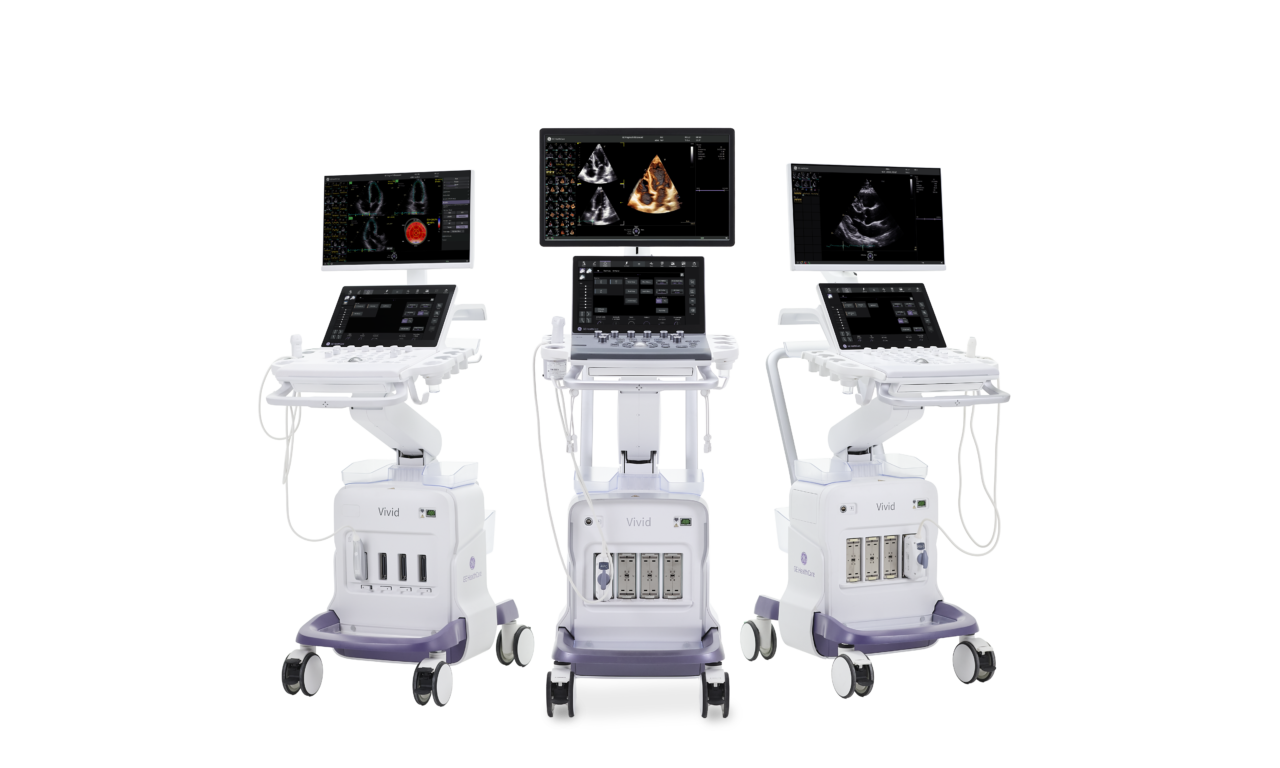
Three new Vivid systems target different cardiovascular imaging settings and have received CE Mark, with US FDA clearance pending.
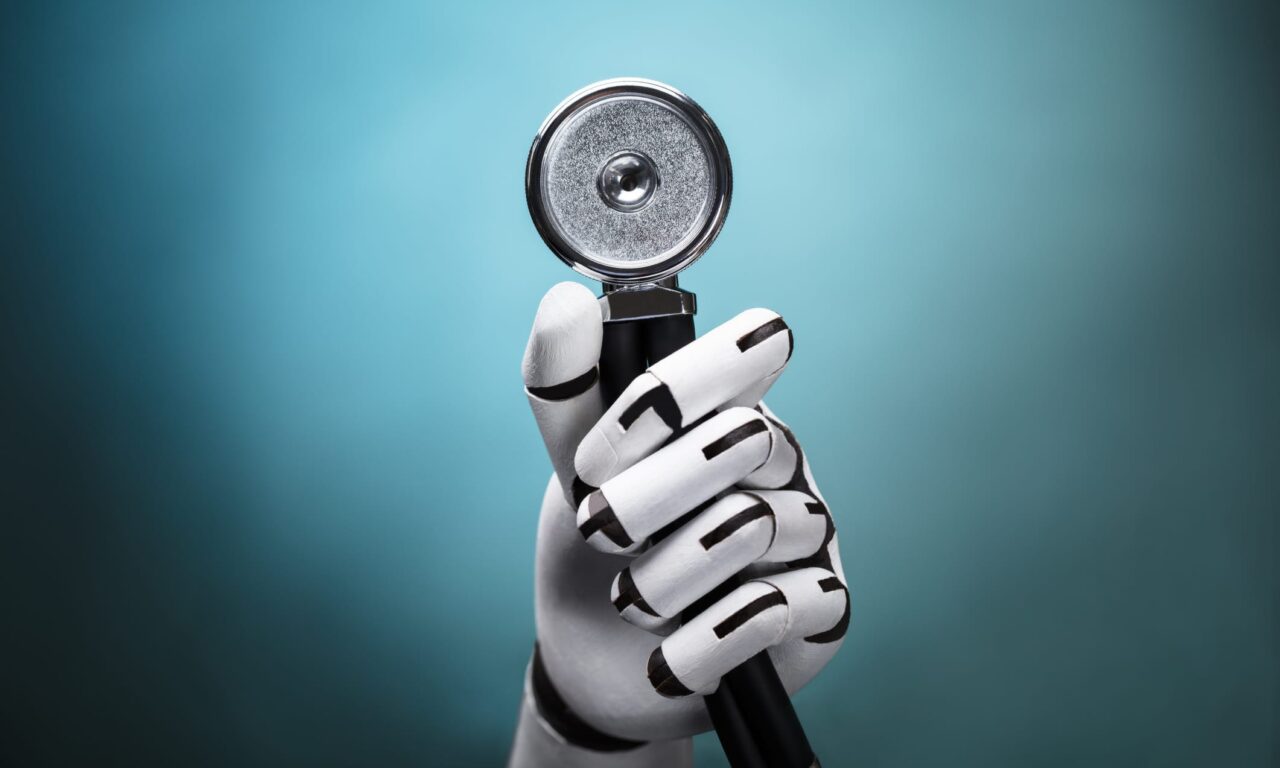
The agency released a discussion paper to address the unique risks and potential of generative artificial intelligence in the healthcare ecosystem.

The San Antonio health system will use a service-based model to standardize monitoring across its facilities and improve alarm management.

From preserving institutional knowledge to accelerating technician development, AI could become one of HTM's most valuable workforce tools.

The technology, based on research from Stanford University, will be integrated into Leo Cancer Care platforms with the first installation at Mayo Clinic.