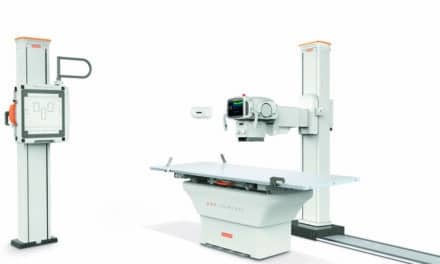

A software defect may cause FlexVision monitors to freeze or go blank during procedures, prompting Philips to issue interim instructions ahead of a planned software fix.
Philips has recalled 3,363 Allura Xper interventional fluoroscopic x-ray systems worldwide because of a software defect that may cause the FlexVision application to become unresponsive during clinical use. The US Food and Drug Administration (FDA) classified the action as a Class II recall and posted it to its database on Nov 6.
The recall affects 3,363 units distributed worldwide, including across the United States. Philips Medical Systems Nederland B.V., based in Best, the Netherlands, is the recalling firm and manufacturer. The FDA’s record lists the recall as open, meaning not all products have been corrected or removed.
Affected Systems
The recall applies to Allura Xper systems with software releases R8.1.x and R8.2.x that are configured with a FlexVision monitor. Affected configurations include:
- Allura Xper FD10
- Allura Xper FD10 OR Table
- Allura Xper FD10/10
- Allura Xper FD20
- Allura Xper FD20 Biplane
- Allura Xper FD20 Biplane OR Table
- Allura Xper FD20 OR Table
- Allura Xper FD20/10
- Allura Xper FD20/15
- Allura Xper FD20/15 OR Table
- Allura Xper FD20/20
- Allura Xper FD20/20 OR Table
Model numbers and serial numbers for each configuration are listed in the FDA recall record. The FDA’s recall entry ties the systems to six 510(k) clearances (K130638, K130842, K133292, K141979, K161563, and K162859) and a seventh, K102005, listed in the product description. The agency determined the cause of the recall to be software design, although it notes that cause determinations can change until the recall is terminated.
Interim Workaround for Users
Philips began notifying customers around Oct 1 through a certified-mail “URGENT Medical Device Correction” letter. According to the FDA record, affected systems may continue to be used in accordance with their intended use, with one required action.
If the FlexVision monitor goes blank or freezes on the last displayed screen during a procedure, users should suspend image-guided device manipulations and perform a cold system restart. The steps, as described in the instructions for use, are:
- Press and hold the system “off” button on the Xper review module for more than 10 seconds.
- Wait for the system to complete a controlled shutdown.
- Press the system “on” button on the Xper review module.
Philips also instructed customers to take these steps:
- Distribute the notification letter to all relevant users and retain it with device documentation until corrective actions are complete.
- Post the letter near affected systems for easy reference.
- Forward the notice to the new owner if an affected system has been transferred.
- Notify local Philips representatives if the issue occurs.
- Complete and return the response form provided.
Philips will implement a software correction free of charge and is planning to begin the update by July 2028, according to the notice, which states a Philips representative will contact customers to schedule it.
Besides the US, the affected systems were distributed to dozens of countries, including Australia, Brazil, Canada, China, Japan, and several European, Middle Eastern, and Latin American nations, according to the FDA record.