Siemens Healthineers Completes $43.6M Expansion at Tennessee PET Detector Facility
The project adds 40,000 square feet to Siemens Healthineers’ sole global manufacturing site for PET detectors used in its PET/CT scanners.


The project adds 40,000 square feet to Siemens Healthineers’ sole global manufacturing site for PET detectors used in its PET/CT scanners.

The companies plan to connect GE HealthCare imaging and software with Leo Cancer Care’s upright radiation therapy technology, with a focus on interoperability and streamlined data flow.
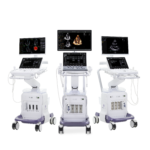

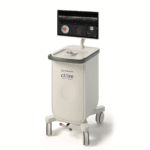

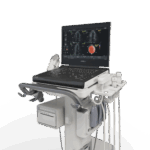
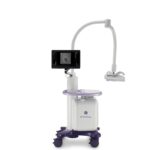
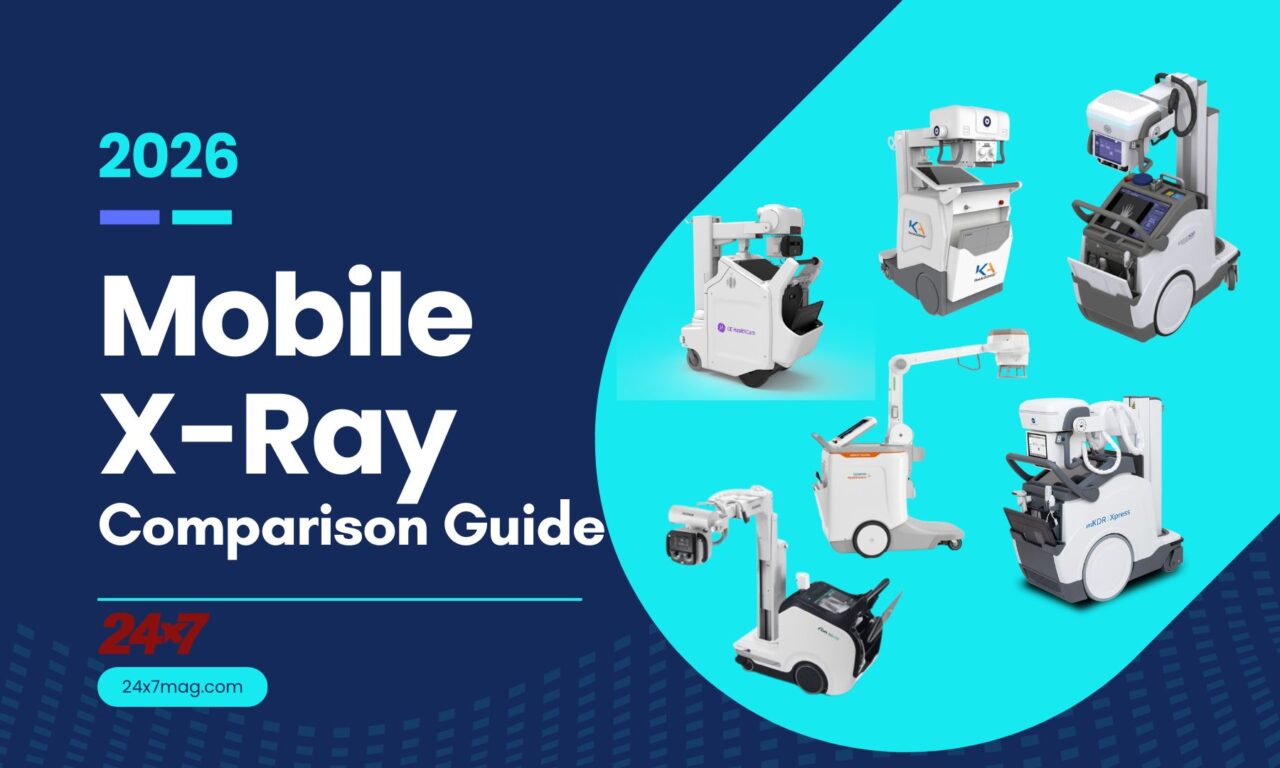
Compare key specifications, workflow features, service capabilities, connectivity, and pricing for today's mobile X-ray systems.



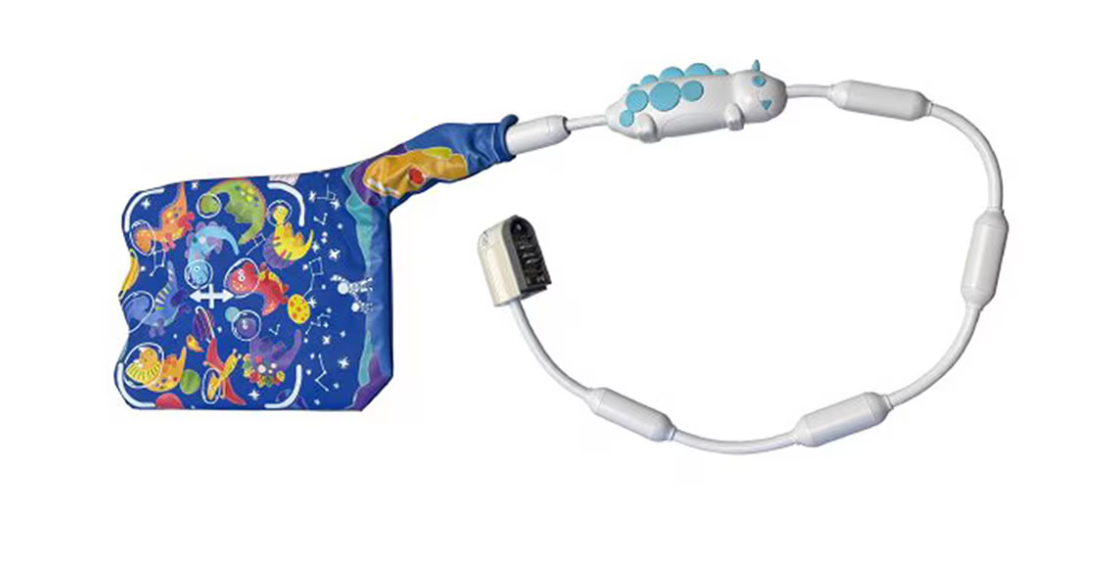
The pediatric body array coil, developed to offer a more flexible alternative to rigid devices, is optimized and validated for use on 3.0T MRI systems.
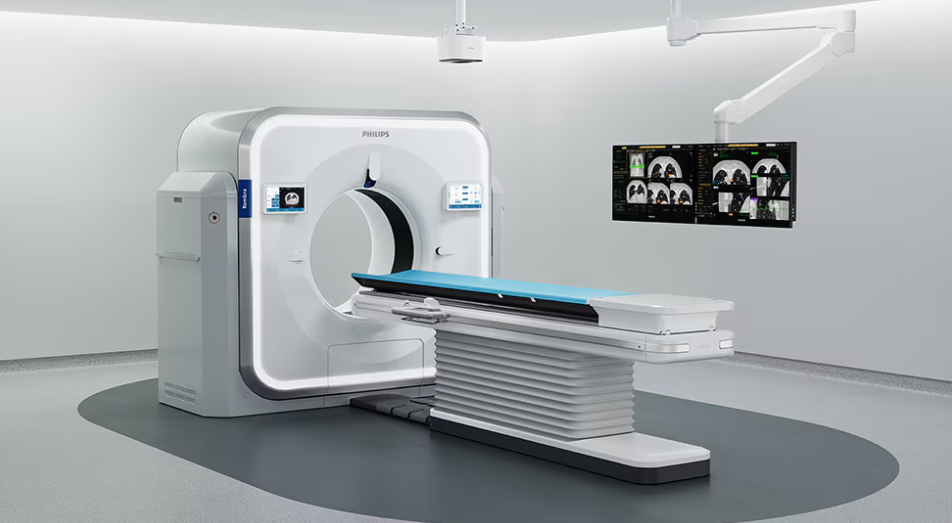
The new CT platform features fast reconstruction speeds, an 85-cm bore, and AI-enabled workflows aimed at improving throughput in acute care environments.
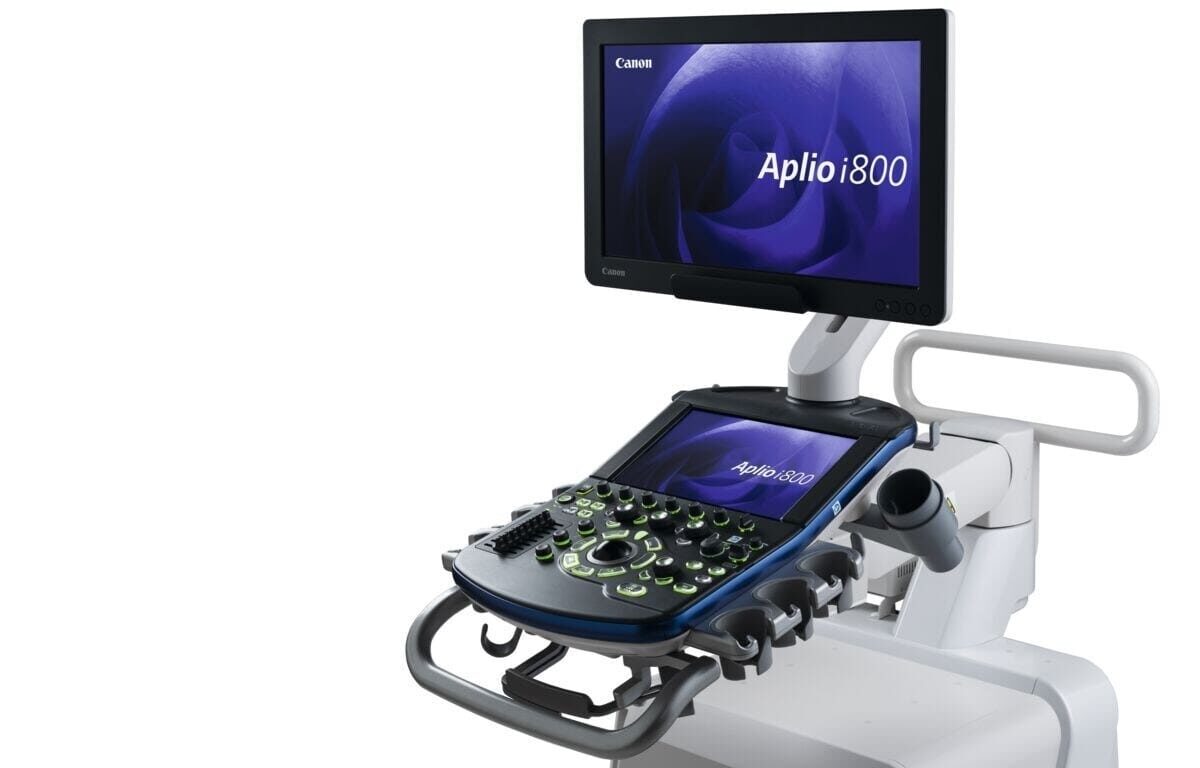
The new system is designed to support clinical assessment of gastrointestinal, liver, and pancreatic diseases.
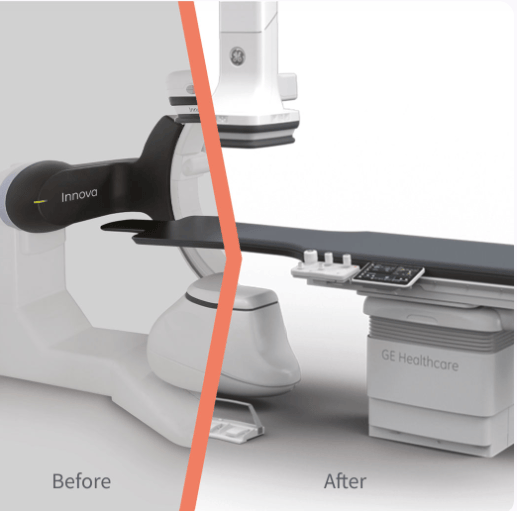
New pathways allow health systems to update legacy imaging equipment with artificial intelligence and workflow tools while preserving existing infrastructure.

The investigational system uses X-ray diffraction and AI to analyze the molecular composition of tissue, aiming to reduce unnecessary biopsies.
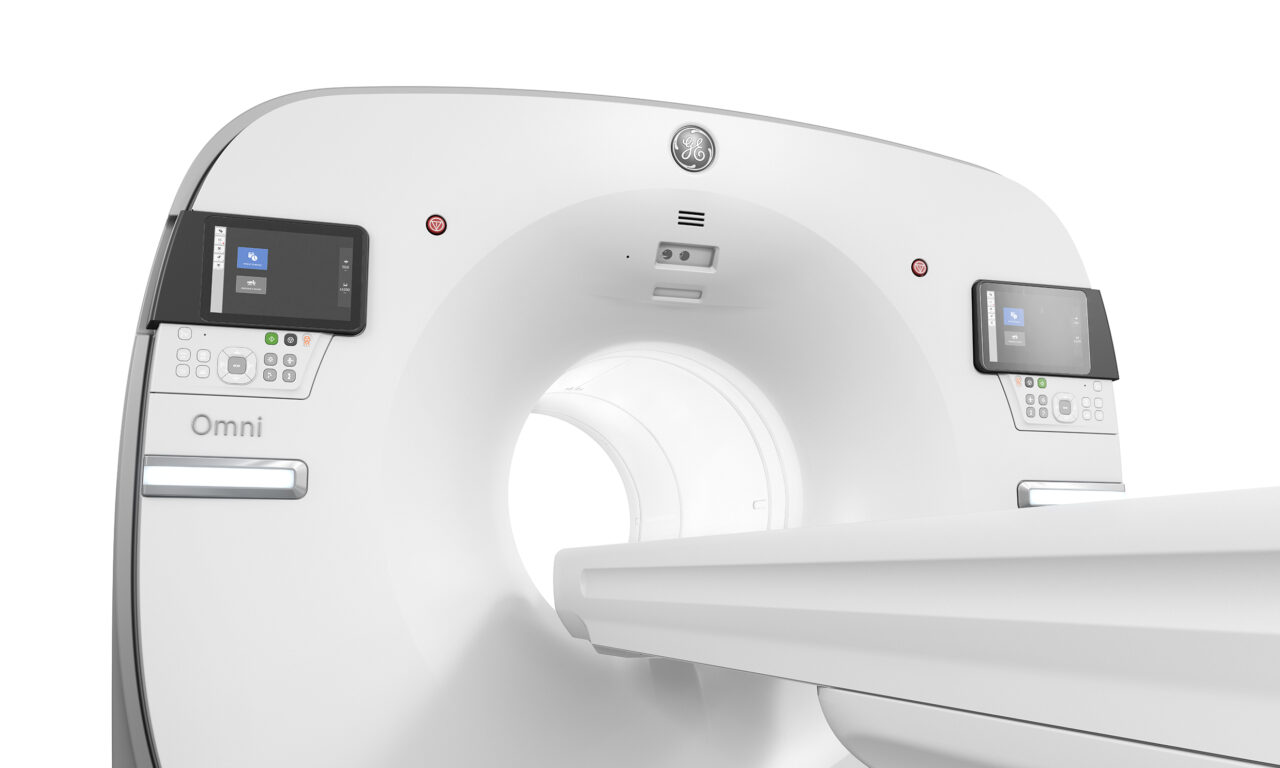
New technologies showcased at SNMMI 2026 aim to support precision care and streamline workflows as adoption of targeted therapies grows.
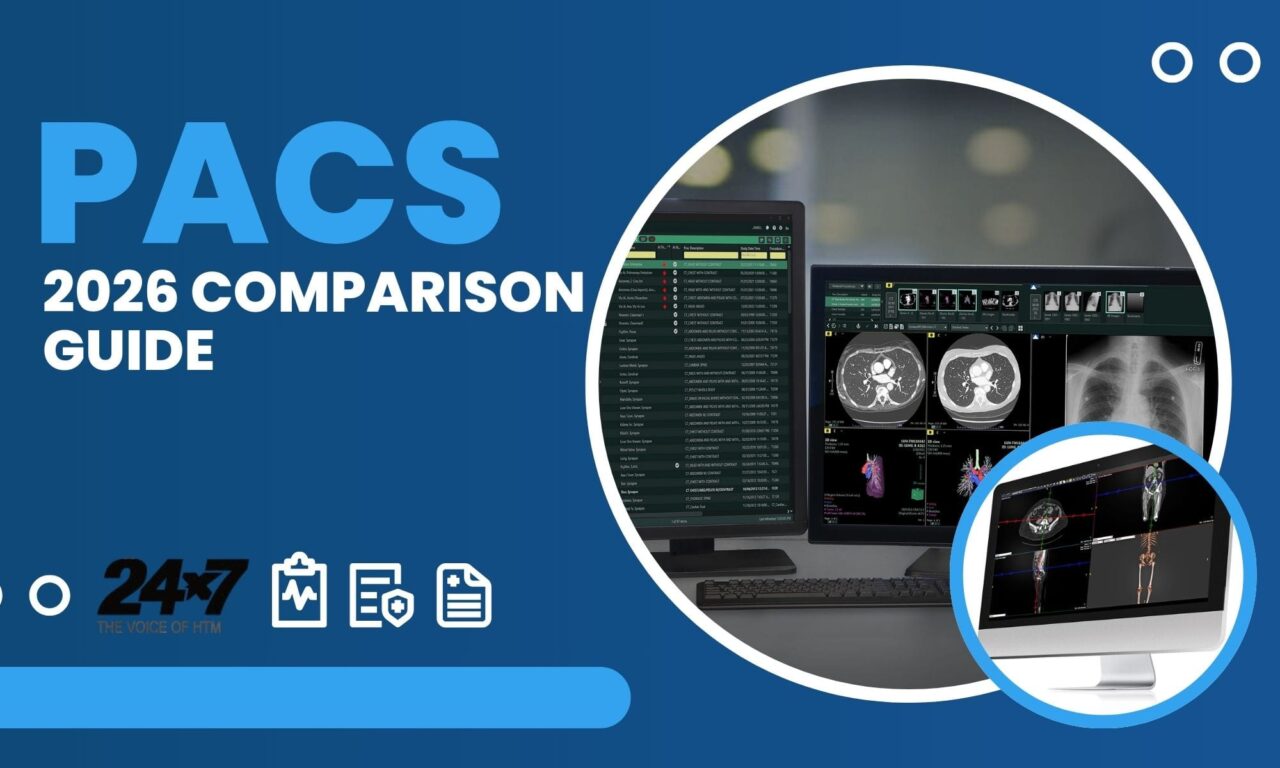
A side-by-side look at PACS capabilities, from supported modalities and interoperability standards to pricing, licensing, and EHR integration.

The companies will operate as a single integrated provider under the Tri-Imaging name, bringing together aftermarket imaging parts, field service, depot repair, and technical training across MRI, CT, and X-ray platforms.