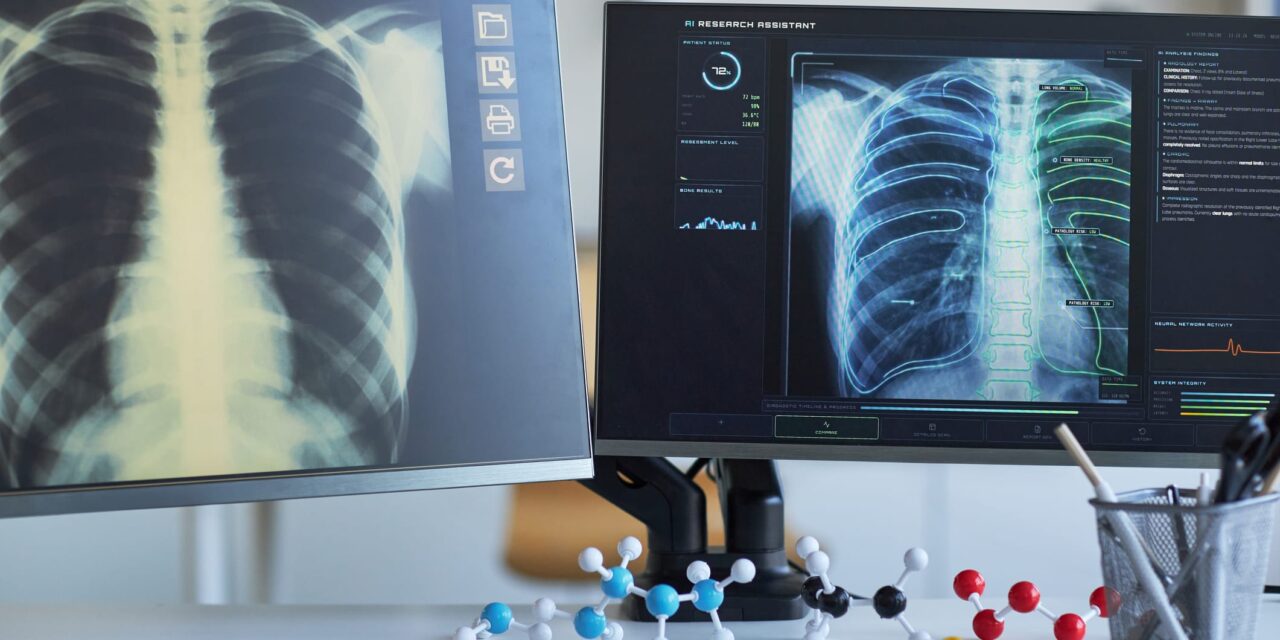
The system creates preliminary report text from chest X-rays and is intended to support radiologists facing increasing workloads.
Aidoc received US Food and Drug Administration Breakthrough Device Designation for First Read, an artificial intelligence technology designed to analyze chest radiographs and generate preliminary radiology report text.
The designation comes as imaging demand continues to exceed capacity, creating bottlenecks across health systems. According to a Neiman Health Policy Institute study, outpatient imaging interpretation turnaround times more than doubled between 2014 and 2023, with the steepest increases occurring in the last two years. These delays impact patient throughput and emergency department flow, where computed tomography turnaround times can increase patient stays by up to 150 minutes and delay clinical decisions.
First Read is designed to address these gaps by producing draft text from imaging findings, according to a press release from Aidoc. The goal is to reduce time spent on reporting and allow radiologists to focus on clinical judgment and patient care. The technology is built on the same architecture as the Aidoc triage application for abdominal computed tomography.
“Radiology is entering a new era,” says Elad Walach, CEO and co-founder of Aidoc, in a release. “For decades, radiologists have carried growing workloads with tools that were never designed for today’s scale of imaging demand. First Read represents an important step toward a future where safe, clinically validated AI can help absorb more of the operational burden, allowing radiologists to focus more of their time on interpretation, judgment, and patient care.”
The system is delivered through the company’s enterprise artificial intelligence operating system, which integrates clinical AI into existing imaging and electronic medical record workflows. While generative artificial intelligence in reporting carries risks like automation bias or inconsistencies, First Read is designed to maintain quality standards while requiring clinician oversight and final approval.
“Diagnostic radiologists are facing growing imaging volumes and workforce shortages, all while trying to maintain the highest standards of patient care,” says Robert Lookstein, MD, professor of radiology and surgery at Mount Sinai Health System, in a release. “AI-assisted reporting has the potential to support more sustainable workflows but only if it is implemented in a way that is clinically reliable and thoughtfully integrated into practice.”
The US Food and Drug Administration grants Breakthrough Device Designation to technologies that significantly advance the diagnosis of severe diseases and represent an unmet clinical need. This is the second such designation for Aidoc in less than a year, following the designation for its triage technology in September 2025. Aidoc currently supports diagnostic decisions across nearly 2,000 hospitals and has analyzed more than 120 million patient cases, according to a company release.
ID 451460014 | Artificial Intelligence © Dragonimages | Dreamstime.com