The new platform features artificial intelligence specialists to automate risk detection and remediation for healthcare technology.
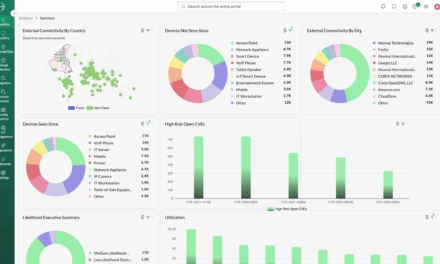
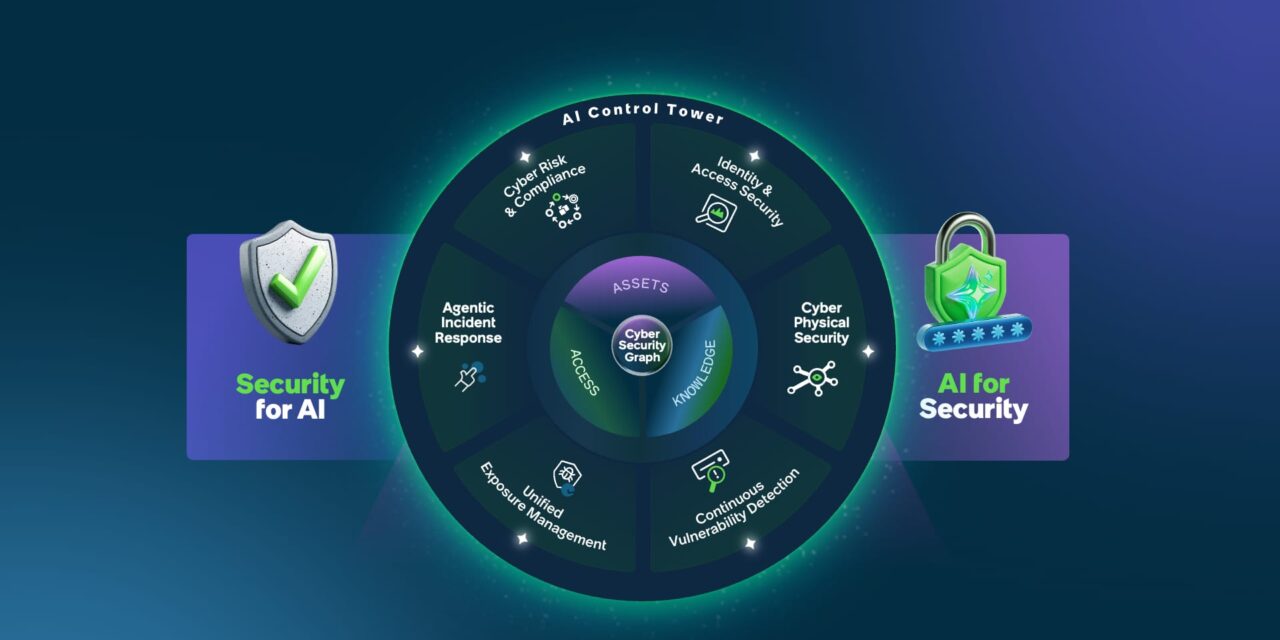
ServiceNow announced six unified security solutions designed to provide prevention-focused, artificial intelligence-driven cyber defense. The tools address exposure management, vulnerability detection, cyber-physical security, identity access, incident response, and compliance.
The offerings are intended to help organizations manage risks at machine speed as the adoption of artificial intelligence agents and machine identities increases. According to the company, these technologies can create exposures faster than human teams can respond using disconnected tools.
“Organizations need autonomous security and governance that matches the scale, velocity, and unpredictability of the threats coming: where all assets, identities, AI agents, critical infrastructure, cloud environments, and code are protected, and can adapt as fast as the ecosystem moves to detect and remediate threats in real-time,” says Yevgeny Dibrov, SVP and general manager, cybersecurity and risk, ServiceNow, in a release.
For healthcare technology management professionals, the cyber-physical security solution provides visibility into medical devices and operational technology systems. The tool uses artificial intelligence to establish behavioral baselines, validate compliance in real time, and model potential attack paths without disrupting clinical workflows or production.
The company also introduced tools for managing non-human identities, such as service accounts and artificial intelligence agents, across medical networks. These features include automated key rotation and permission revocation to maintain security principles.
Additionally, ServiceNow updated its compliance features to turn control evidence into a continuous operational signal. This includes automated reporting for regulatory frameworks such as SOC 2, ISO 27001, PCI-DSS, and HIPAA.
The platform also includes a feature for cryptographic asset compliance. This tool provides detailed discovery and risk profiling to help organizations migrate from legacy algorithms to quantum-resistant standards.
Several features, including exposure management and medical network security tools, are available now. Other capabilities, such as the vulnerability resolution specialist and cryptographic asset compliance, are expected to be available in December 2026.
Photo credit: ServiceNow