New technologies showcased at SNMMI 2026 aim to support precision care and streamline workflows as adoption of targeted therapies grows.
GE HealthCare is showcasing new AI-enabled workflows and imaging technologies at the 2026 Society of Nuclear Medicine and Molecular Imaging (SNMMI) Annual Meeting. The solutions are designed to expand access and support precision care as the adoption of targeted therapies and radiopharmaceuticals accelerates.
Nuclear medicine is seeing a shift toward large-scale clinical use, with global market projections anticipating growth from approximately $7.8 billion in 2024 to more than $30.7 billion by 2034, according to data cited by the company.
“Nuclear medicine is moving from early innovation to large-scale clinical implementation,” says Jean-Luc Procaccini, president and CEO, molecular imaging and computed tomography, GE HealthCare, in a release. “Healthcare systems need technologies and workflows that help expand access, improve efficiency, and support more confident clinical decision-making as theranostics adoption and precision care evolve.”
The company highlighted several software and imaging advancements, including MIM KineticID and MIM LesionID Pro. MIM KineticID software, currently 510(k)-pending with the US Food and Drug Administration (FDA), is designed for dynamic positron emission tomography (PET) imaging and kinetic modeling. MIM LesionID Pro, which recently received FDA clearance, uses AI to automate whole-body tumor burden analysis, according to the company.
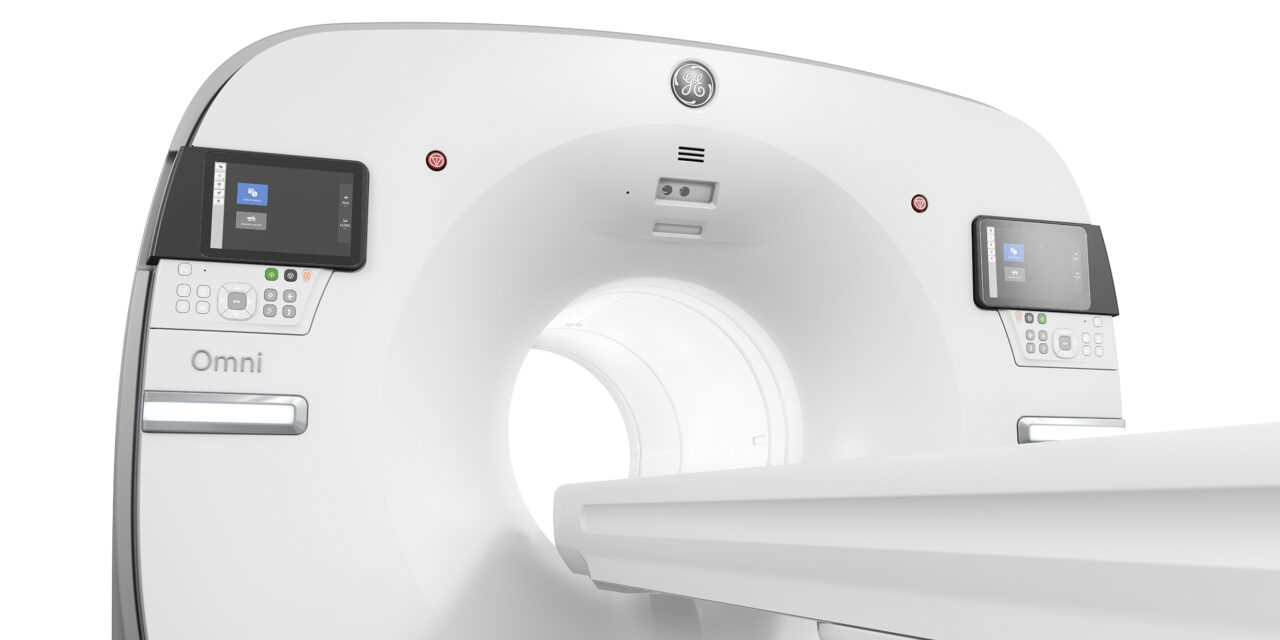
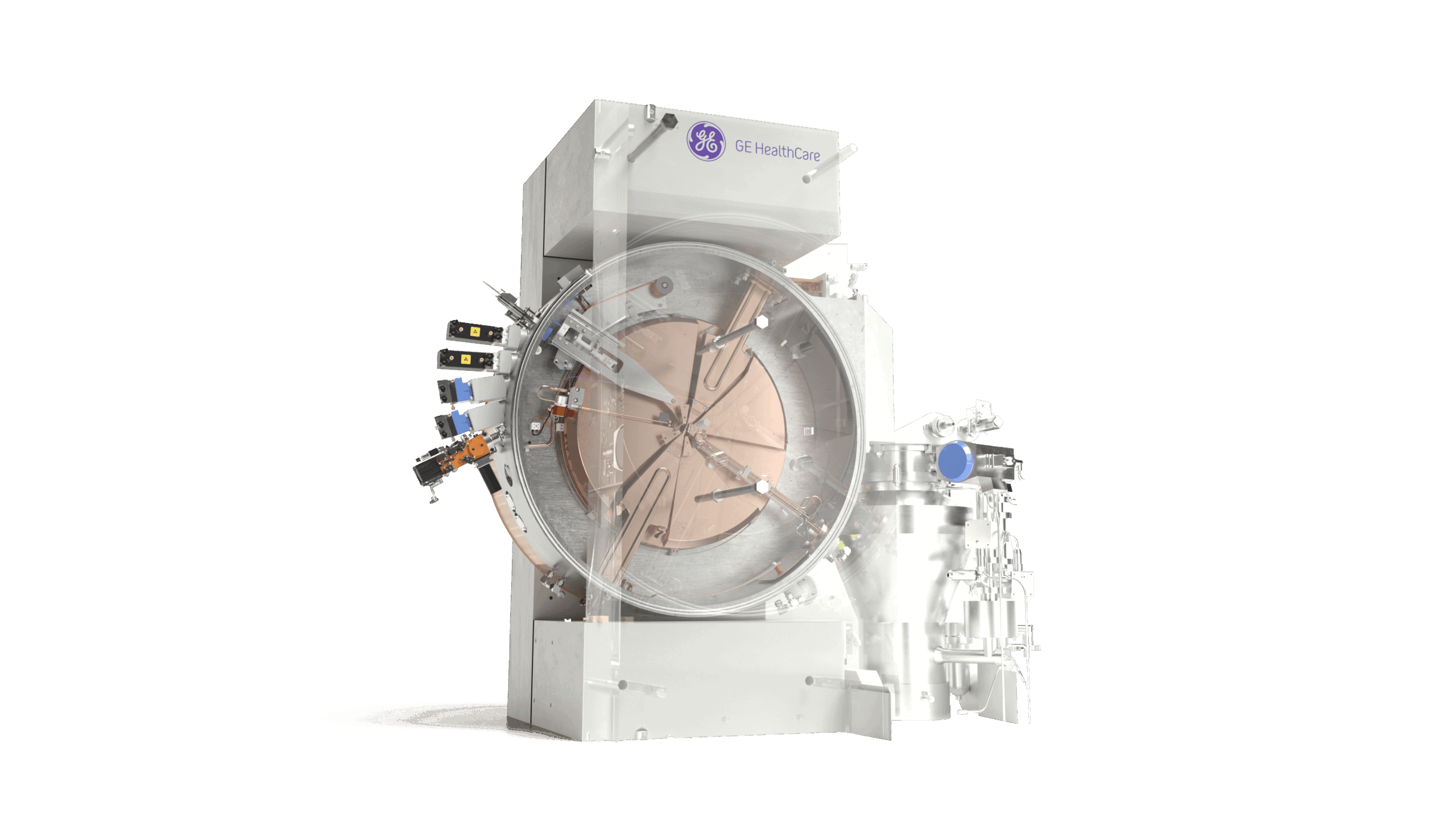
Hardware innovations on display include the Omni Legend PET/CT platform and the StarGuide digital SPECT/CT platform. The Omni Legend system can provide up to a 53% reduction in PET scan time compared to previous models, as demonstrated in phantom testing, says the company. Additionally, the MINItrace Magni is a compact cyclotron solution in development designed to simplify on-site production of PET tracers.
“Technologies that combine advanced imaging, quantitative analysis, and innovative radiopharmaceuticals are helping clinicians make more informed decisions earlier in the care pathway—ultimately improving how we diagnose, treat, and monitor patients,” says Dr Munir Ghesani, chief medical officer at United Theranostics, in a release.
The portfolio also includes radiopharmaceutical agents such as Flyrcado for evaluating myocardial ischemia and Cerianna for detecting estrogen receptor-positive lesions in breast cancer. These tools support the company’s Adaptive Theranostics model, which integrates molecular imaging, quantitative analytics, and connected clinical workflows to help clinicians personalize treatment decisions.
“As molecular imaging continues to scale, success will depend on more than individual products; it requires building the ecosystem around them,” says Eric Ruedinger, vice president and general manager, pharmaceutical diagnostics, GE HealthCare, in a release. “We’re focused on enabling that ecosystem end-to-end—from tracer development and manufacturing—to expanding access, integrating workflows, and advancing the tools that support confident, consistent decision-making.”
As these capabilities continue to scale, nuclear medicine is increasingly positioned as a cornerstone of precision medicine, enabling clinicians to visualize the biology of disease, tailor therapies to individual patients, and monitor treatment response, according to the company.
Photo caption: Omni Legend
Photo credit: GE HealthCare