GE HealthCare Leads Funding for AI-Powered Robotic Cath Lab Imaging
The investment will support Laza Medical's development of an imaging system that combines AI and robotics to help guide complex cardiac procedures.


The investment will support Laza Medical's development of an imaging system that combines AI and robotics to help guide complex cardiac procedures.
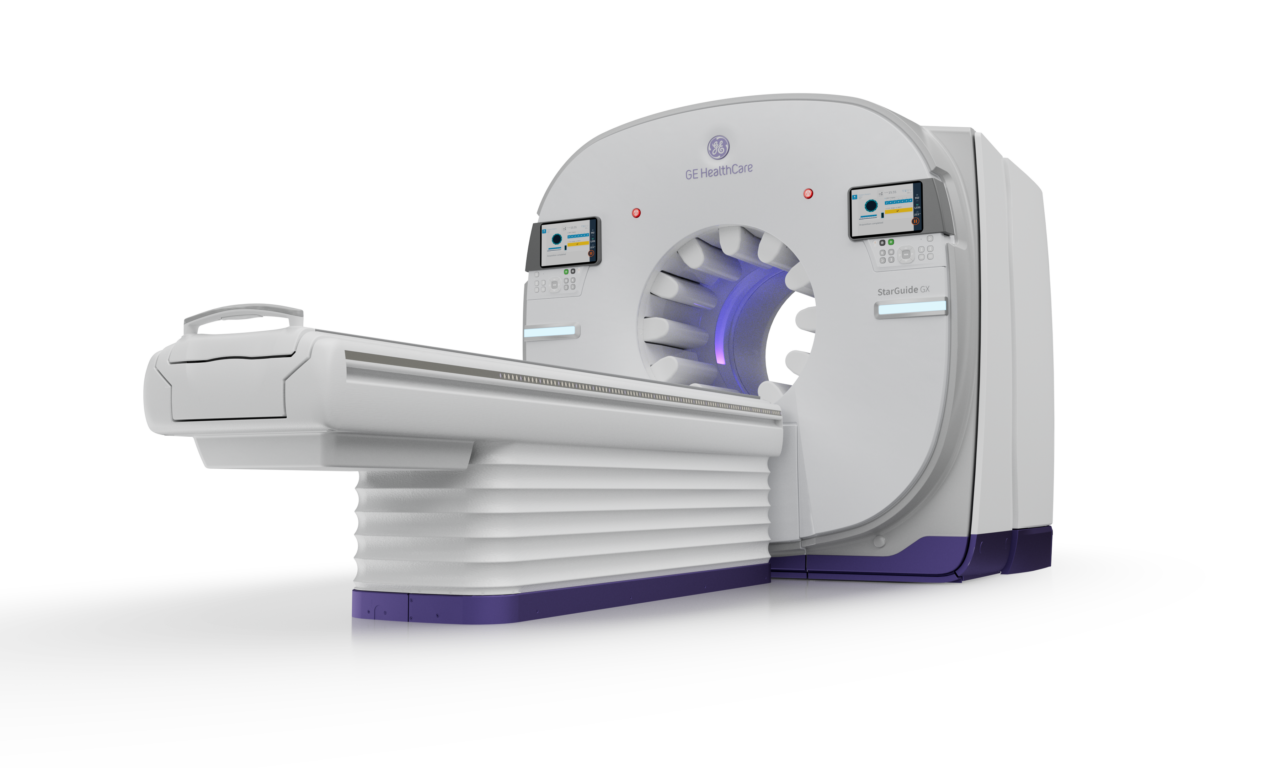
The global evaluation spans Hadassah, Mayo Clinic, Oncopole Toulouse, Peking University First Hospital, and Rambam, with more than 1,000 patient studies completed to date.



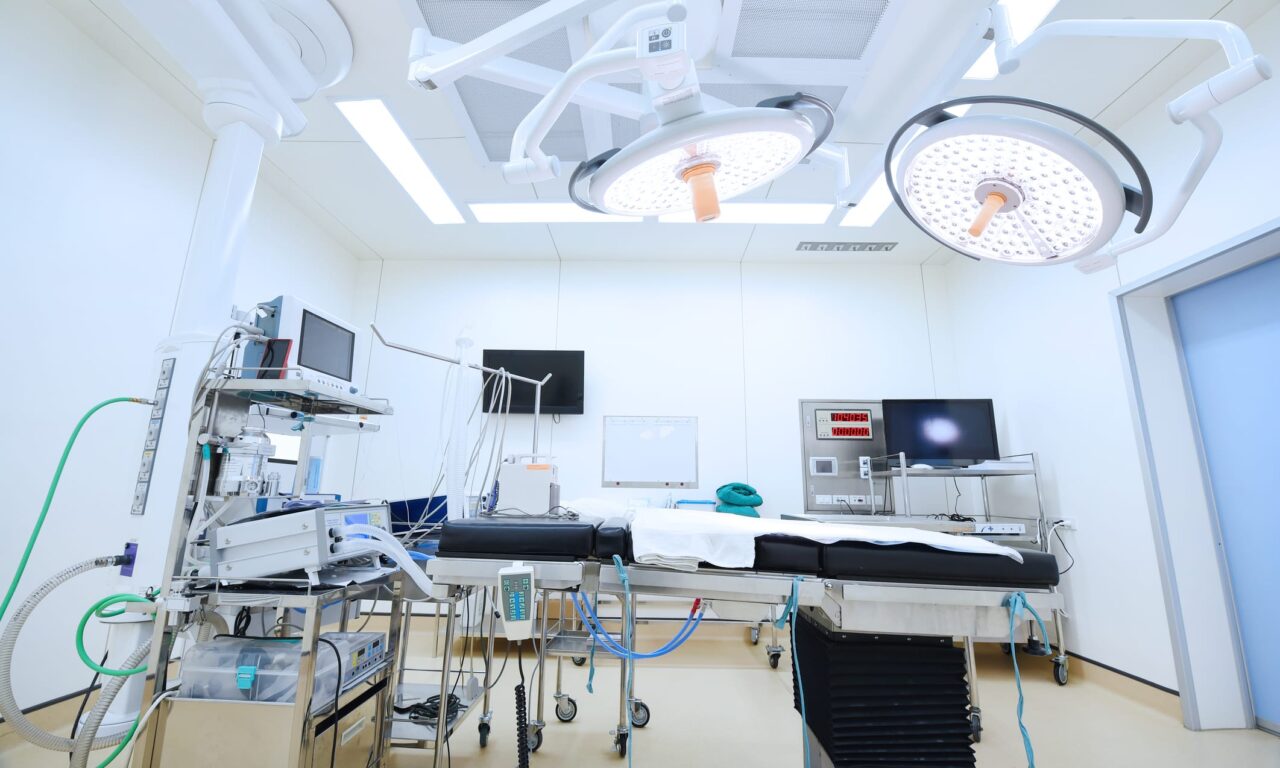
A survey finds a wide gap in technology maturity, with leading hospitals far more likely to adopt workflow automation and integrate systems, devices, and software.




The investment will support Laza Medical's development of an imaging system that combines AI and robotics to help guide complex cardiac procedures.
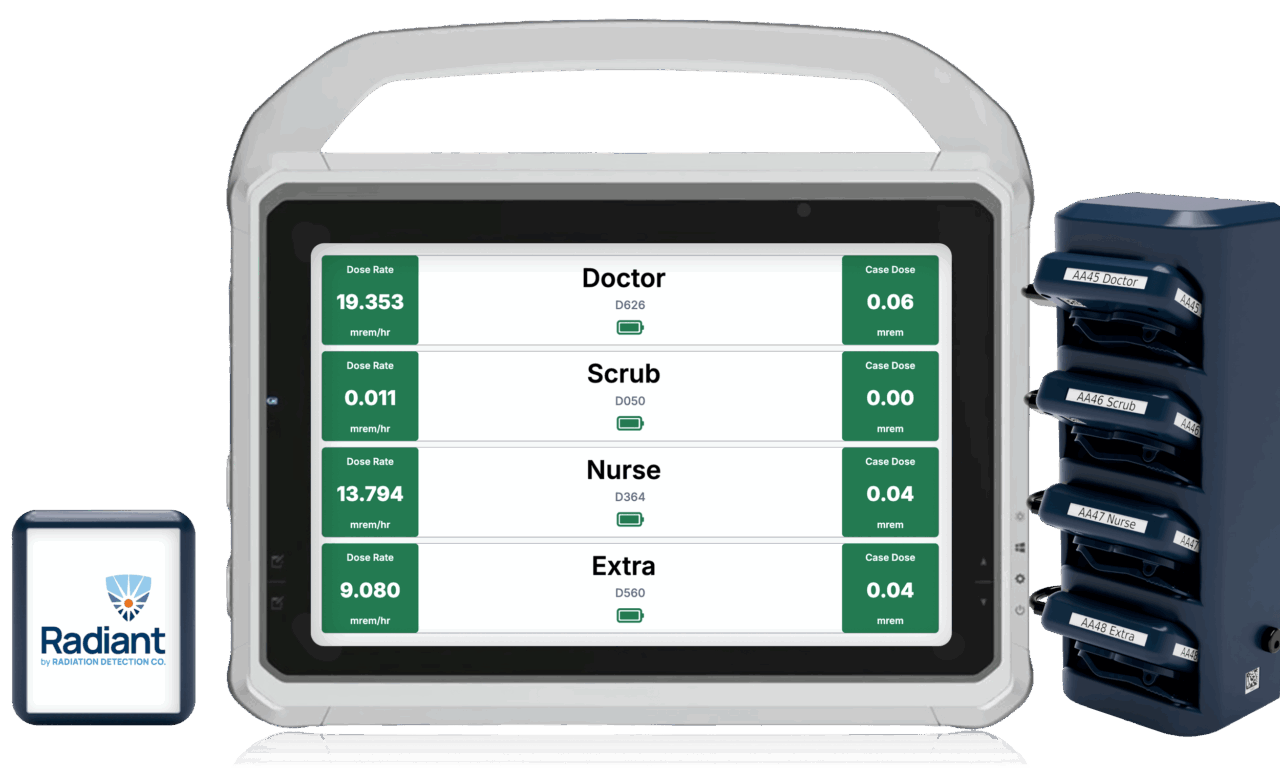
The new technology provides immediate data on radiation exposure during high-risk medical procedures.

The project adds 40,000 square feet to Siemens Healthineers’ sole global manufacturing site for PET detectors used in its PET/CT scanners.

Unseated internal flow transducer connectors can trigger device reboots and therapy interruptions, prompting updated checkout and handling protocols.
The new solution extends Gluware's network automation platform to connected medical devices, aiming to close remediation gaps between vulnerability disclosure and documented patch.

The collaboration will make BC Group’s biomedical test and measurement equipment available through reLink Medical’s marketplace.
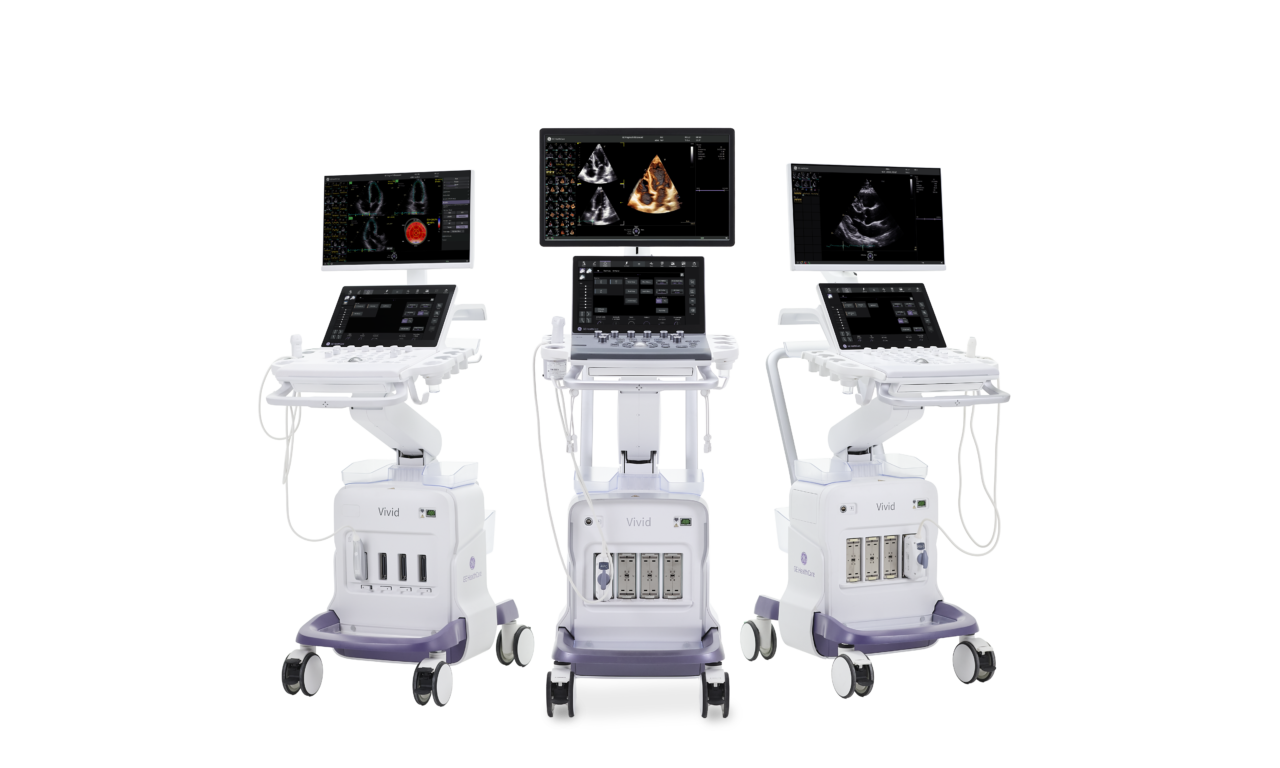
Three new Vivid systems target different cardiovascular imaging settings and have received CE Mark, with US FDA clearance pending.

The work group will develop playbooks and risk assessment tools to help healthcare organizations defend against advanced model risks.

The San Antonio health system will use a service-based model to standardize monitoring across its facilities and improve alarm management.
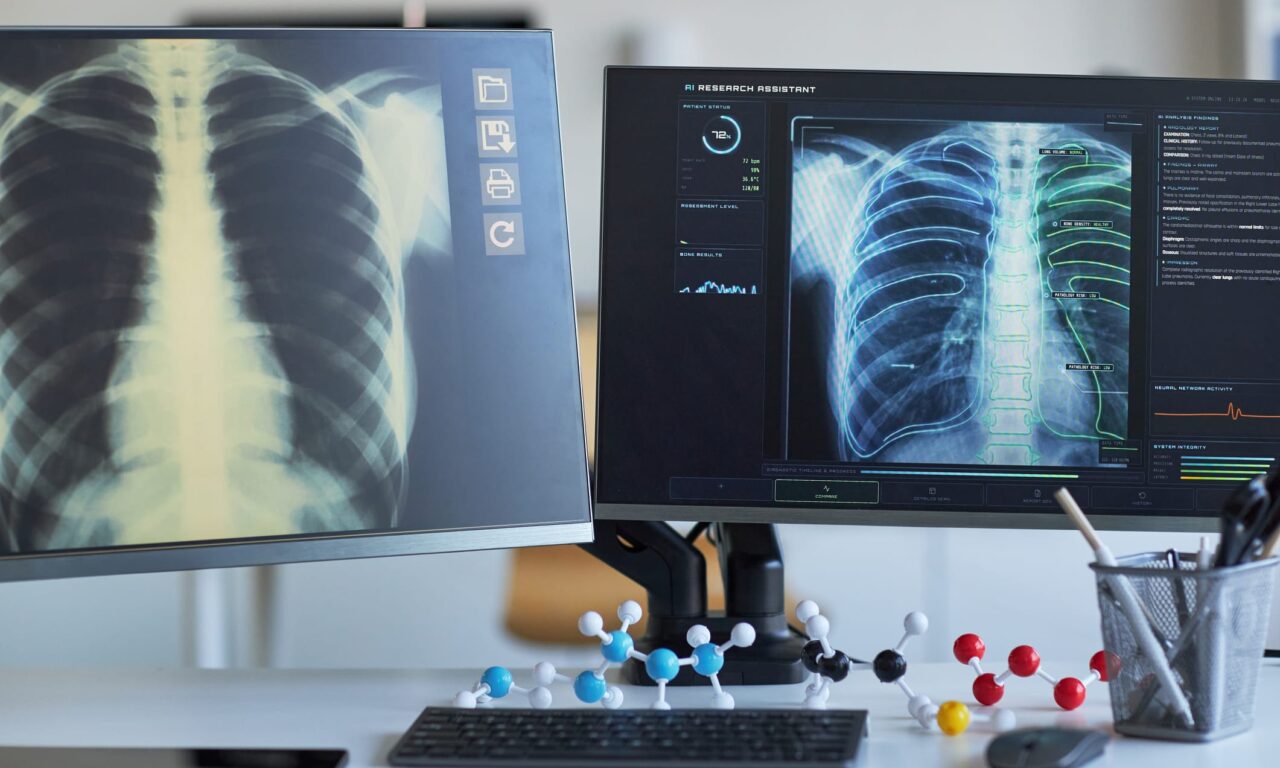
The system creates preliminary report text from chest X-rays and is intended to support radiologists facing increasing workloads.

The technology, based on research from Stanford University, will be integrated into Leo Cancer Care platforms with the first installation at Mayo Clinic.