
Fresenius Kabi Issues Correction for Ivenix Infusion Pumps Following Impact Damage
The Food and Drug Administration classifies the recall as the most serious type after reports of touchscreen malfunctions caused by dropped or jarred devices.
The system creates preliminary report text from chest X-rays and is intended to support radiologists facing increasing workloads.
New guidance across eight domains developed by Coalition for Health AI members provides a step-by-step roadmap for transparent, trusted AI governance.
The Food and Drug Administration classifies the recall as the most serious type after reports of touchscreen malfunctions caused by dropped or jarred devices.
The new mobile experience connects technicians, clinical staff, and hospital leaders on a single platform to help accelerate issue resolution and improve visibility across medical equipment service.
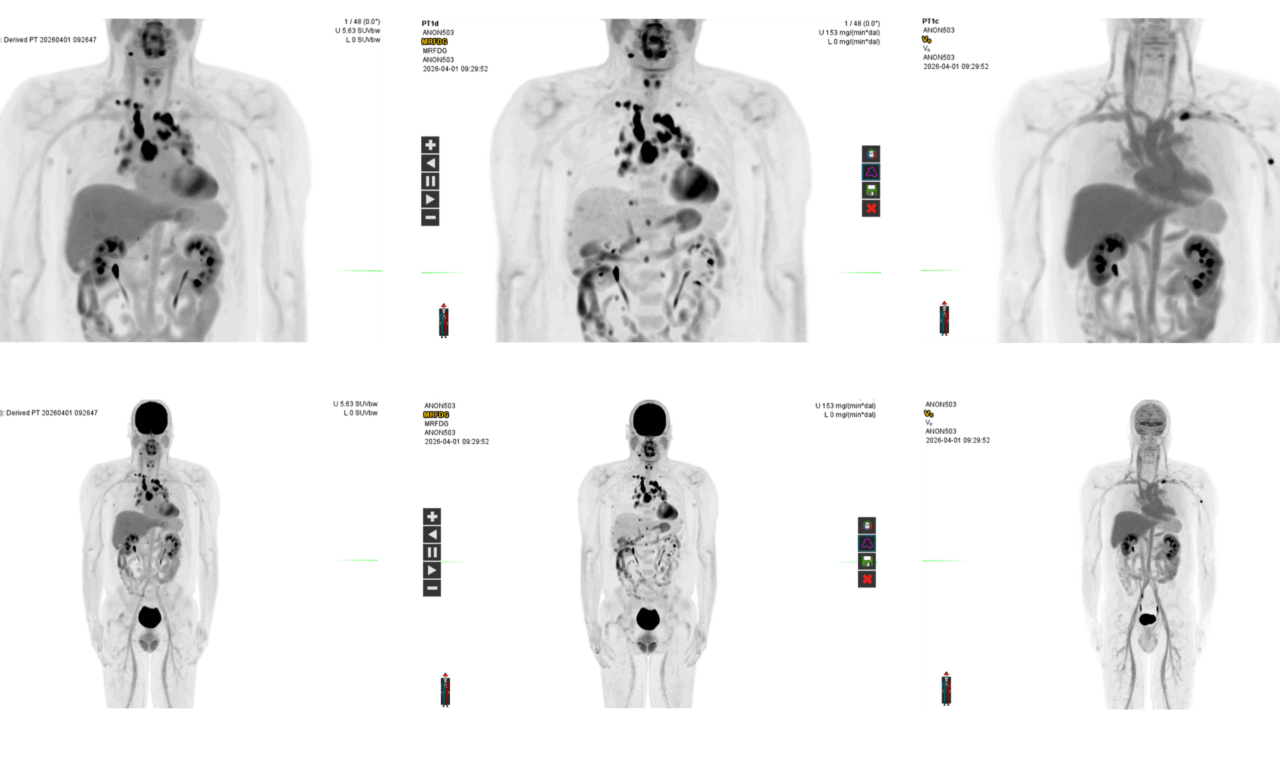
New technologies showcased at SNMMI 2026 aim to support precision care and streamline workflows as adoption of targeted therapies grows.
The low-profile overlay is designed for use during extended surgeries to reduce the risk of hospital-acquired pressure injuries.
Asimily launches a platform to manage network policies and reduce risk for healthcare equipment without manual intervention.
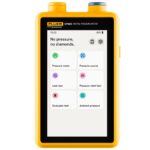
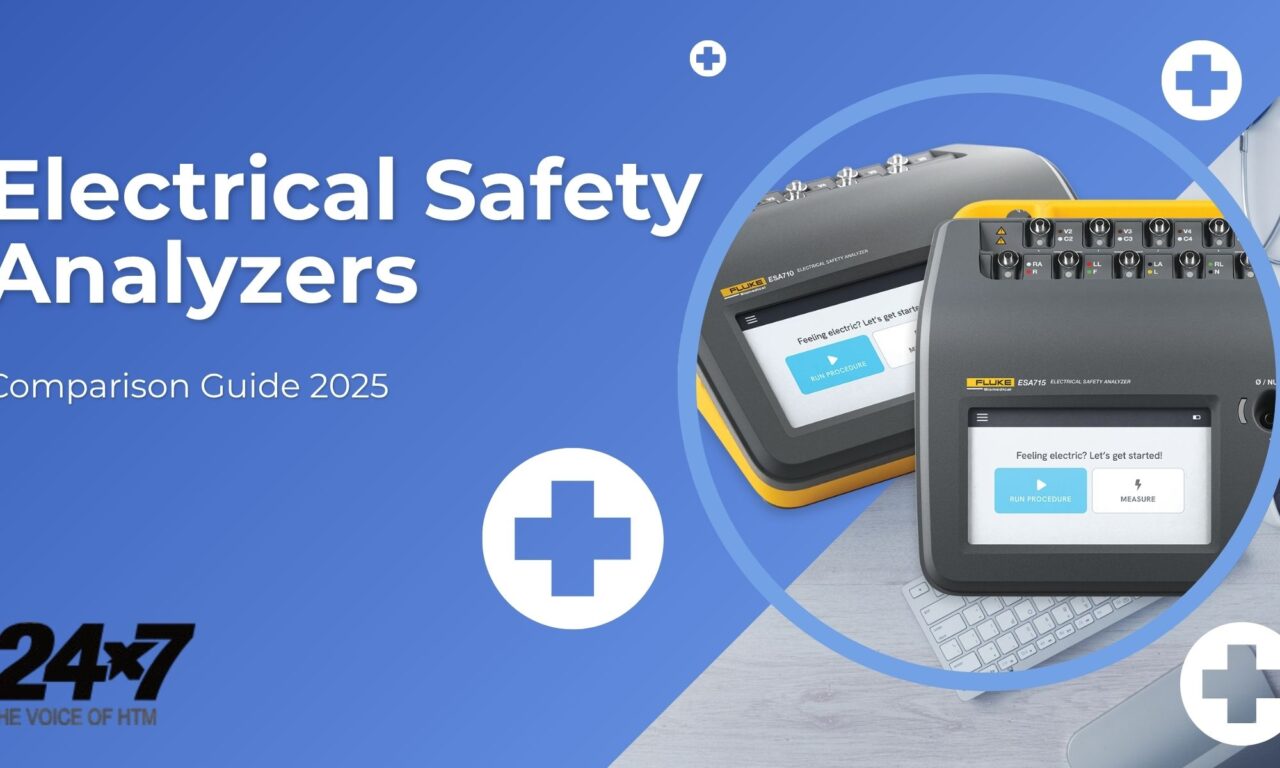
Test equipment leaders from BC Group, Rigel Medical, Pronk Technologies, and Fluke Biomedical discuss changing customer expectations, the rise of automation, and where diagnostic tools are headed next.
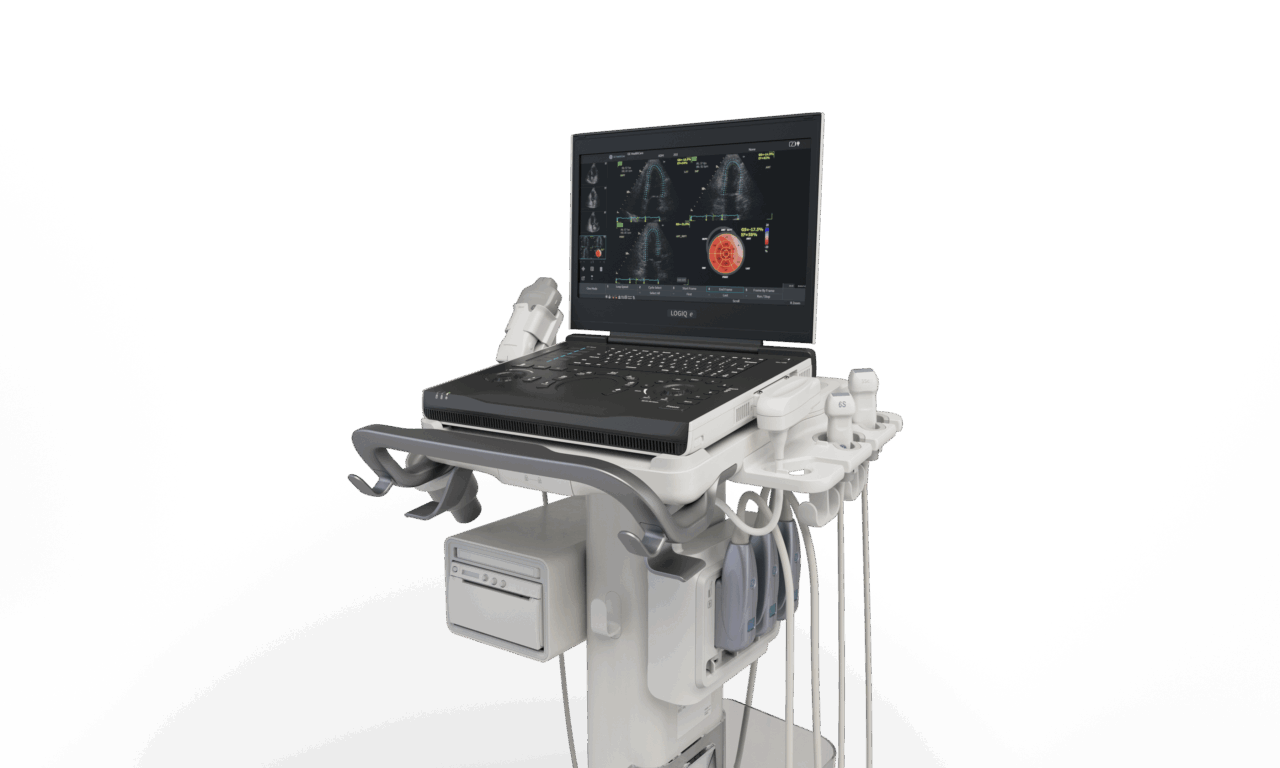
The Kosmos platform update includes FDA-cleared presets for obstetrics, gynecology and billable vascular workflows designed for point-of-care use.
The new EB-710US device aims to reduce infection risks and streamline procedure preparation by eliminating the use of disposable balloons.
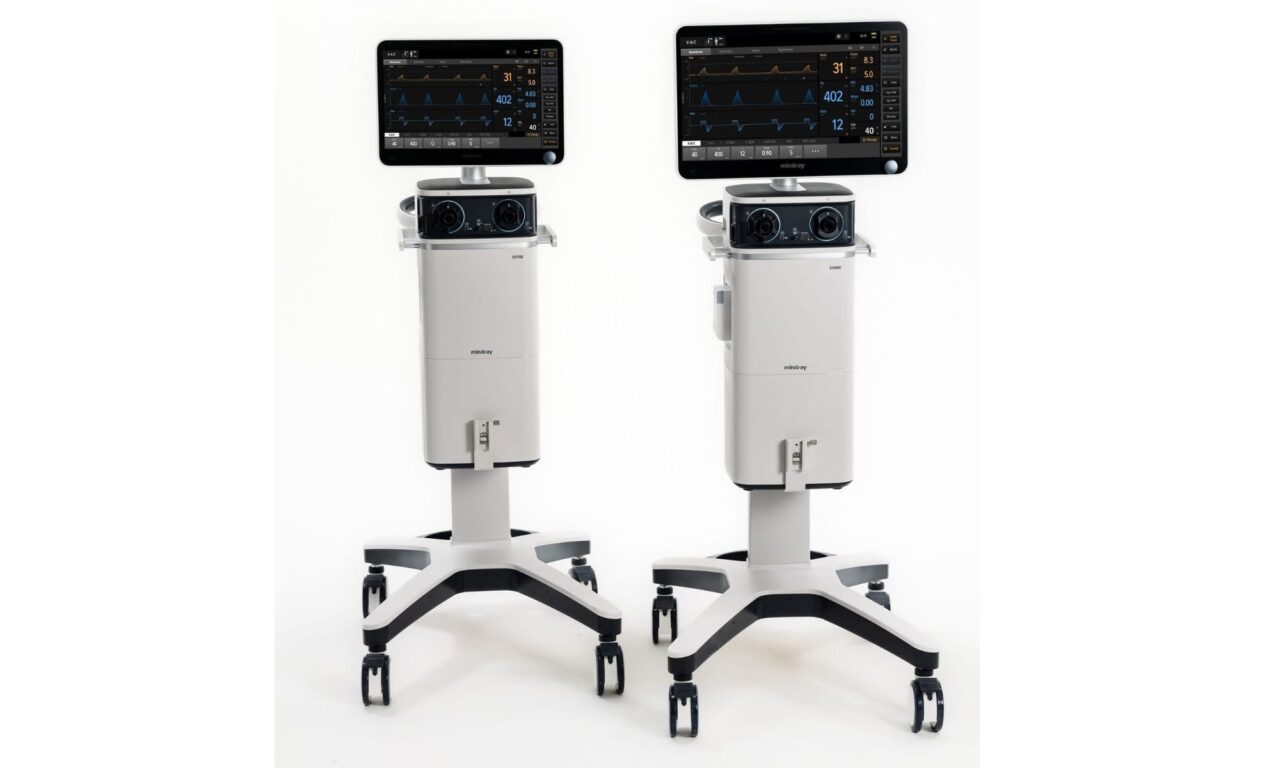
The device features technology that automatically adjusts oxygen delivery to a patient’s breathing rate, a feature recently evaluated in a university bench study.
The BRIDGE platform aims to replace fragmented, vendor-specific portals with a single hub where hospitals can receive security advisories relevant to the devices in their fleet.
Integration combines SBOM management with vulnerability monitoring and AI model traceability to help manufacturers meet FDA requirements.