GE HealthCare Launches LOGIQ Focus Ultrasound System for General Imaging
The AI-enabled platform expands the LOGIQ family with cSound Architecture, automation tools, and liver assessment capabilities aimed at routine and complex exams.

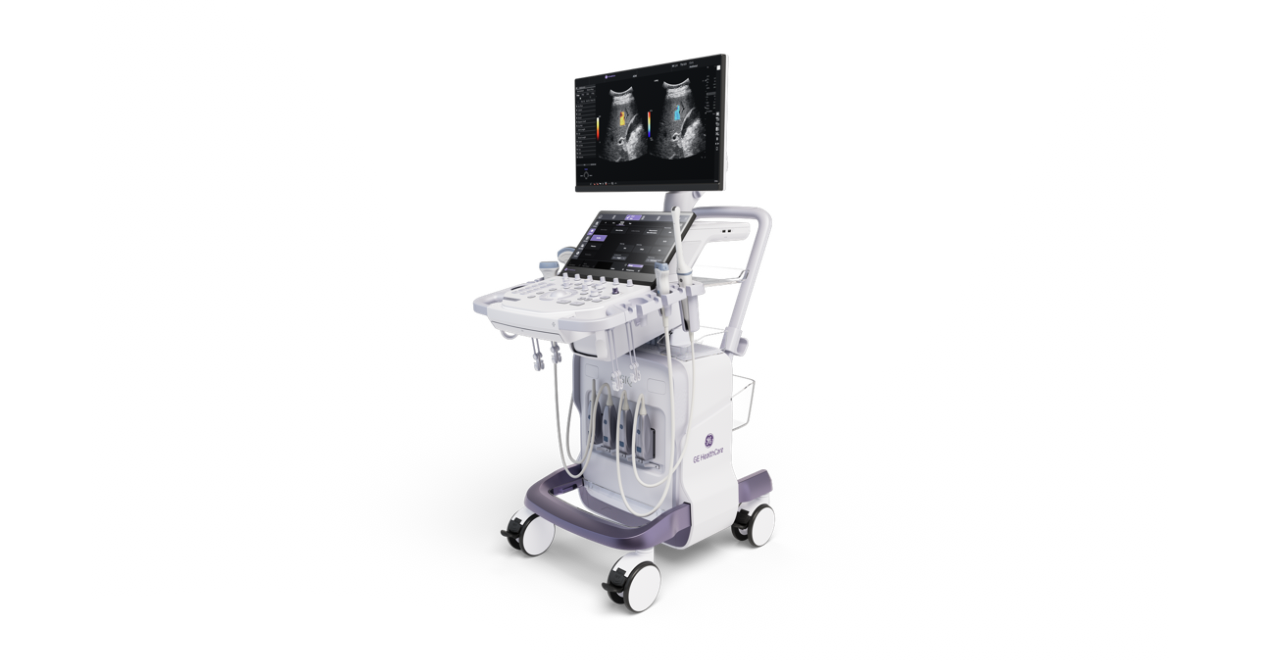
The AI-enabled platform expands the LOGIQ family with cSound Architecture, automation tools, and liver assessment capabilities aimed at routine and complex exams.
The new solution extends Gluware's network automation platform to connected medical devices, aiming to close remediation gaps between vulnerability disclosure and documented patch.




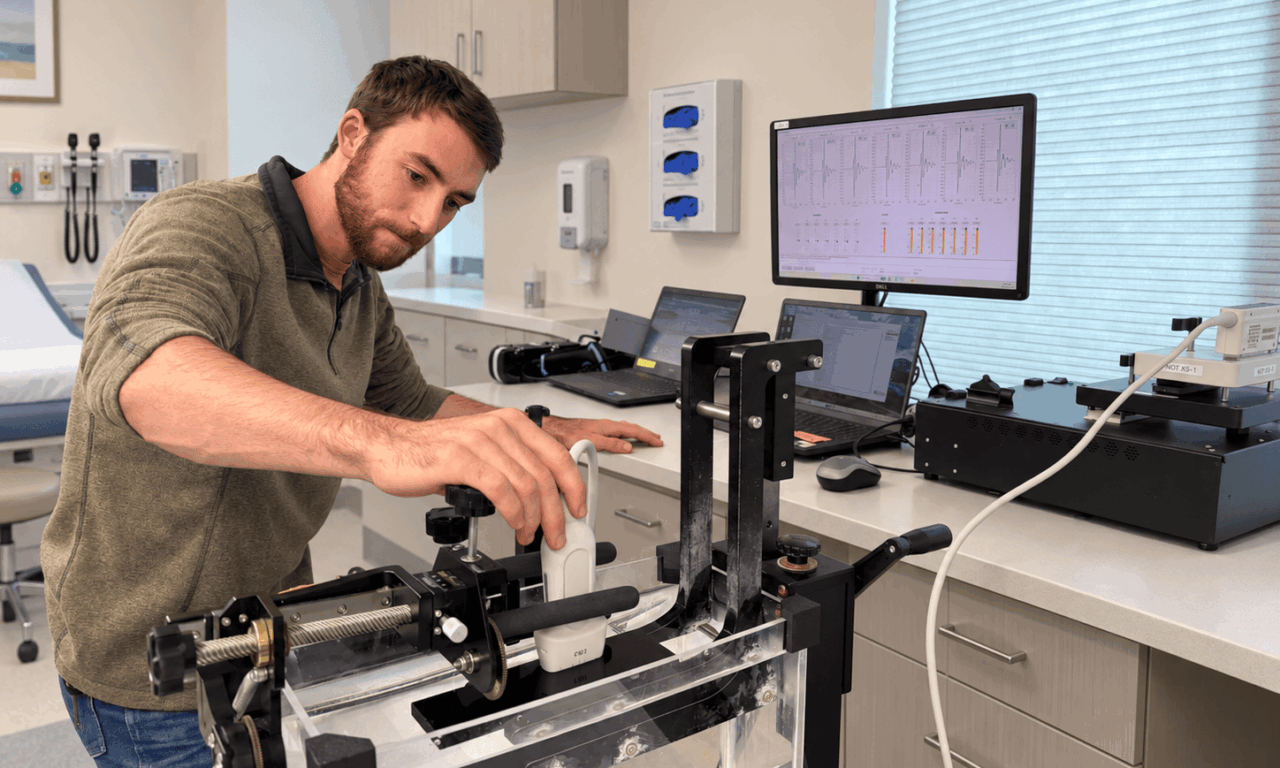
The expanded program provides HTM and clinical engineering teams with element-level probe performance data to help guide service, repair, and replacement decisions.





The AI-enabled platform expands the LOGIQ family with cSound Architecture, automation tools, and liver assessment capabilities aimed at routine and complex exams.
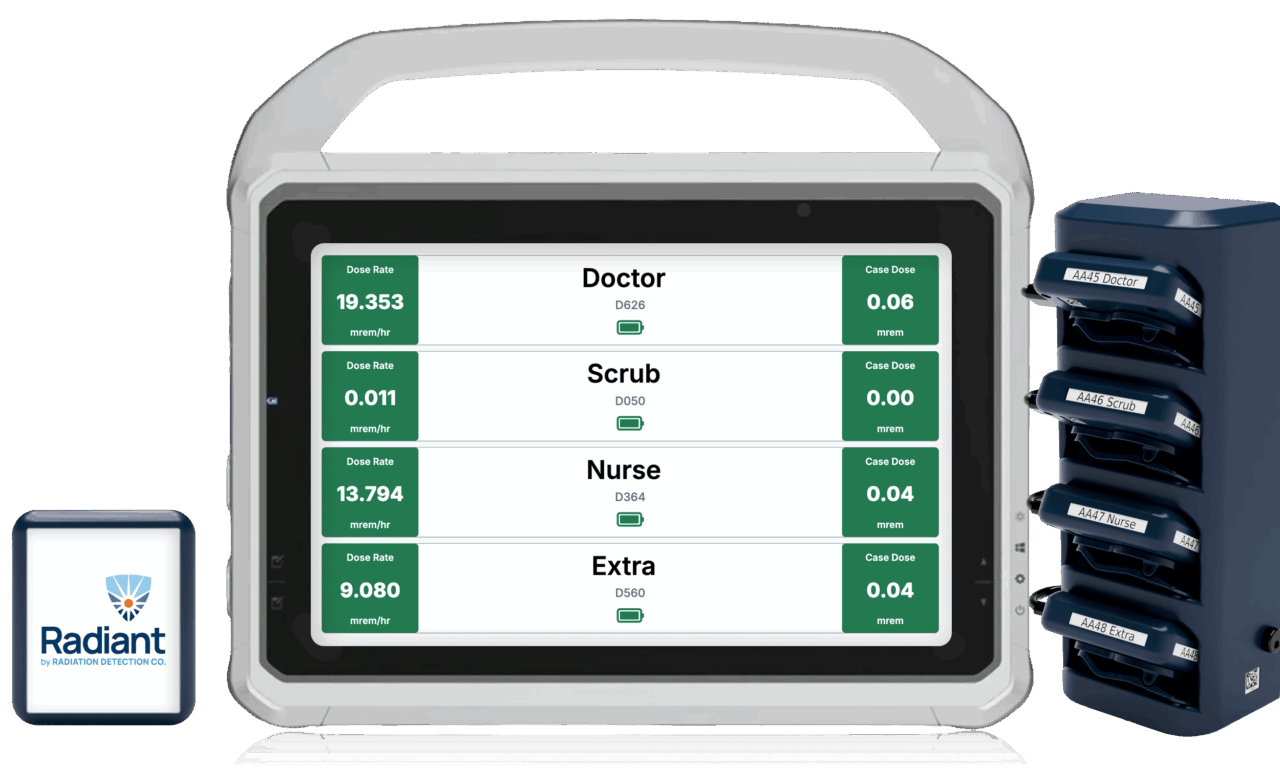
The new technology provides immediate data on radiation exposure during high-risk medical procedures.

The single-shot long-length imaging system is designed to reduce patient hold time, optimize radiation dose, and eliminate stitching artifacts across spine and long-bone exams.
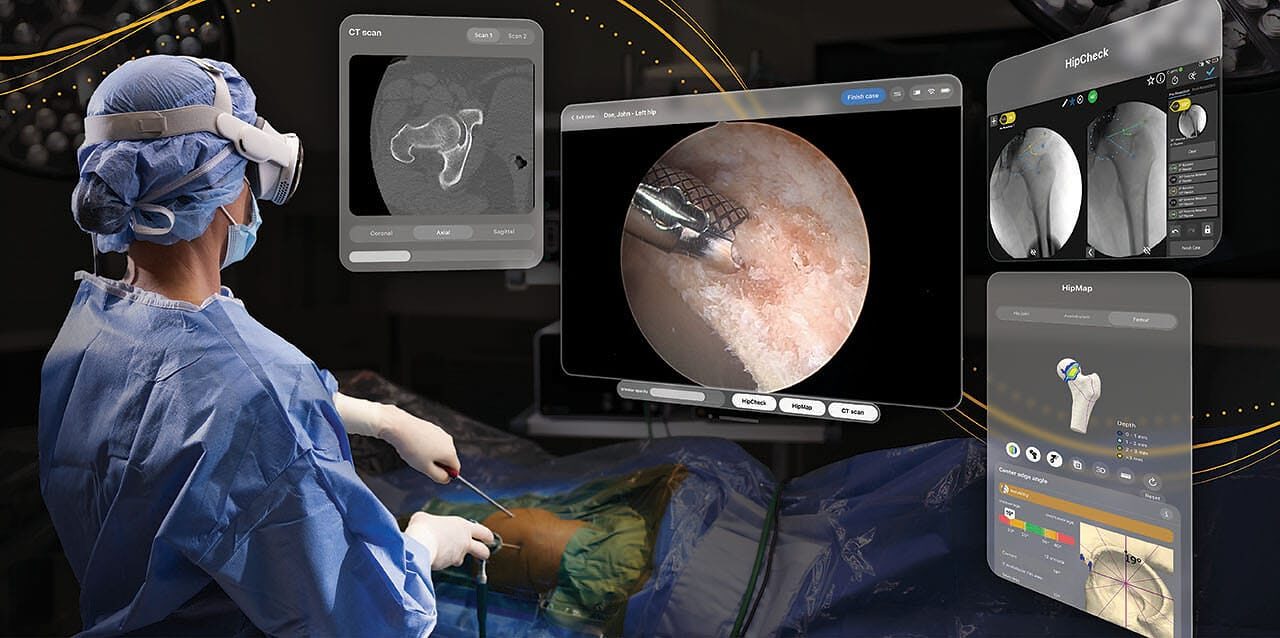
The spatial computing system brings imaging and procedural data into the surgeon’s field of view, reducing reliance on multiple operating room monitors.

The software expands the Cios Spin mobile imaging system into surgical guidance without requiring external cameras, instrument trackers, or patient-mounted reference frames.

The collaboration will make BC Group’s biomedical test and measurement equipment available through reLink Medical’s marketplace.

The acquisition adds X-ray tubes and specialized digital detectors to the Teledyne medical imaging portfolio.

The work group will develop playbooks and risk assessment tools to help healthcare organizations defend against advanced model risks.
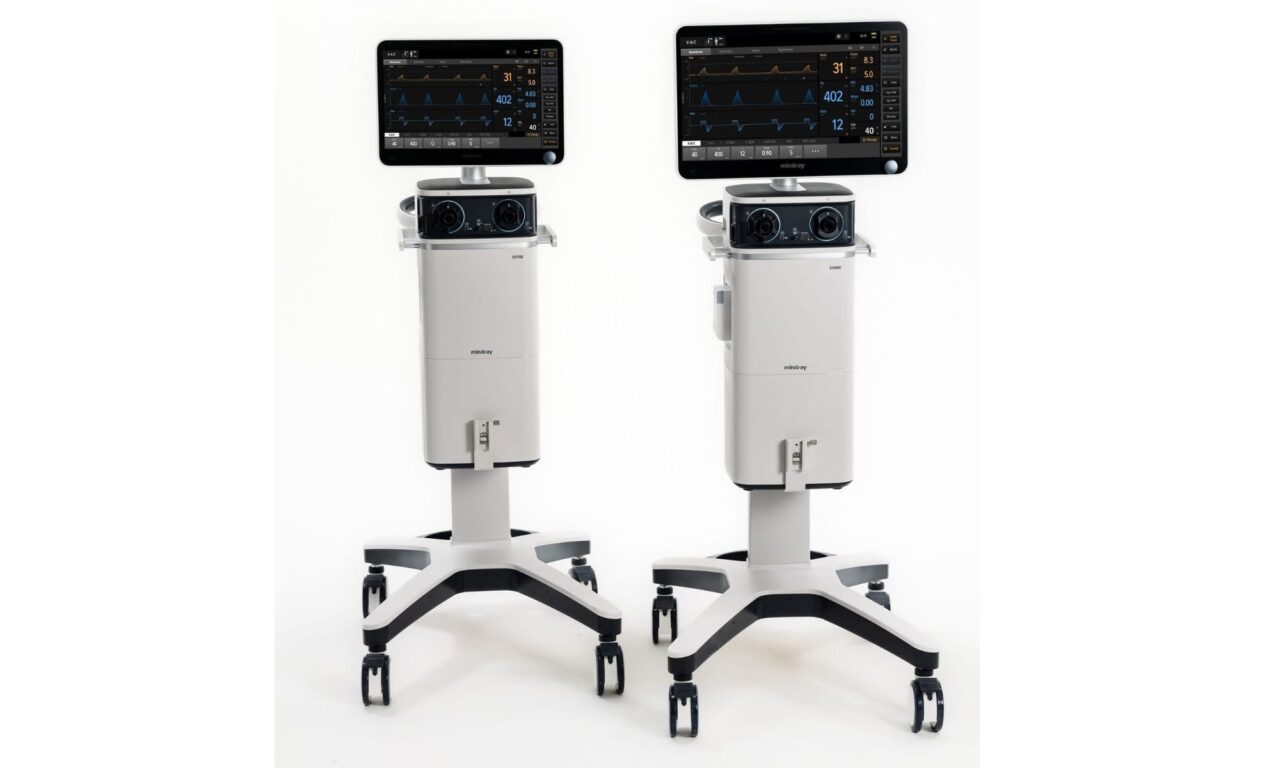
New systems combine invasive, non-invasive, and high-flow oxygen therapies in a single platform.
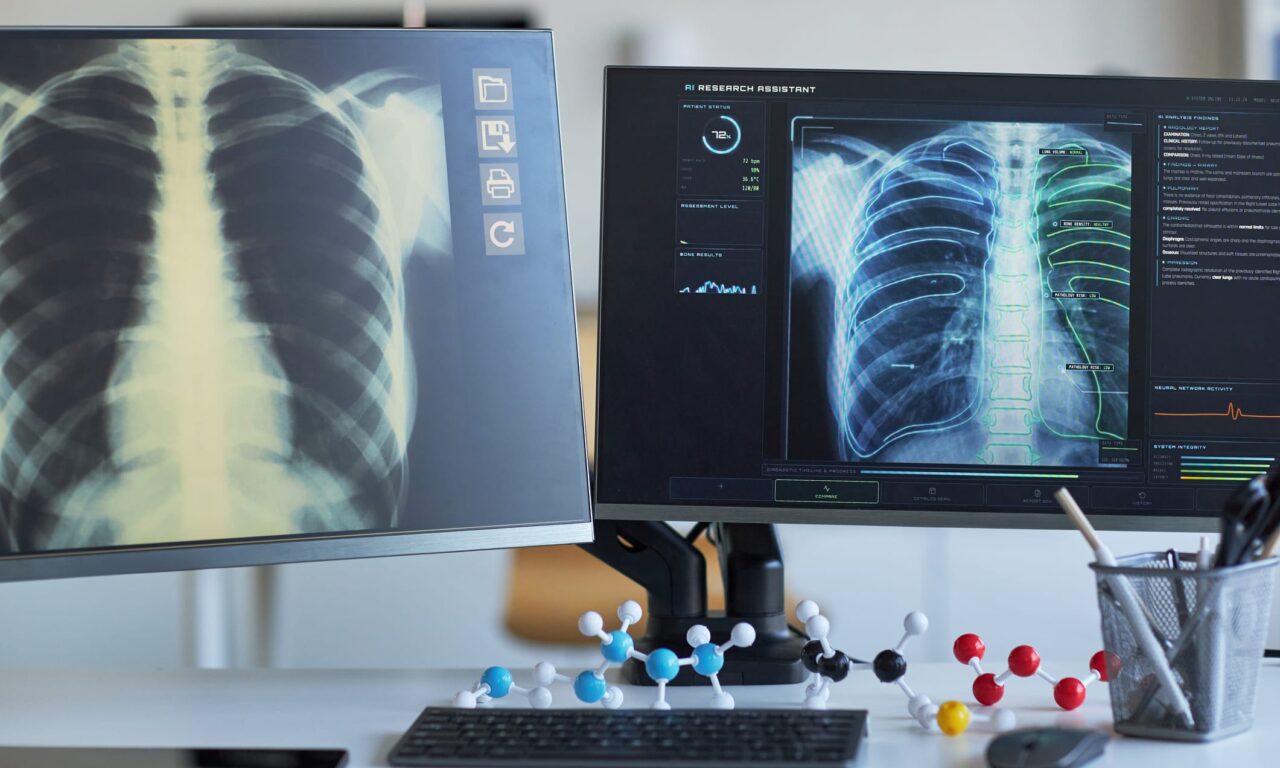
The system creates preliminary report text from chest X-rays and is intended to support radiologists facing increasing workloads.
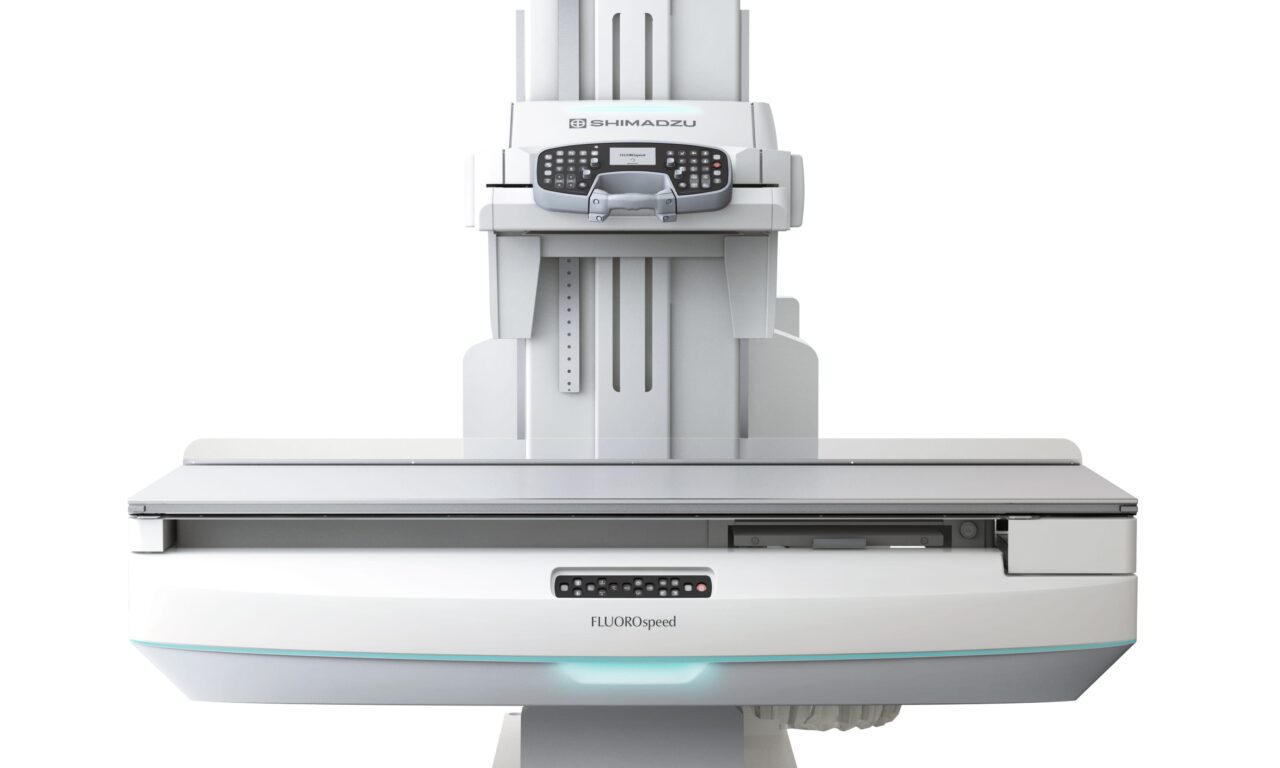
The patient-side system features a high weight capacity and enhancements for positioning and safety.