Building a Better Imaging Service Strategy for a Changing HTM Environment
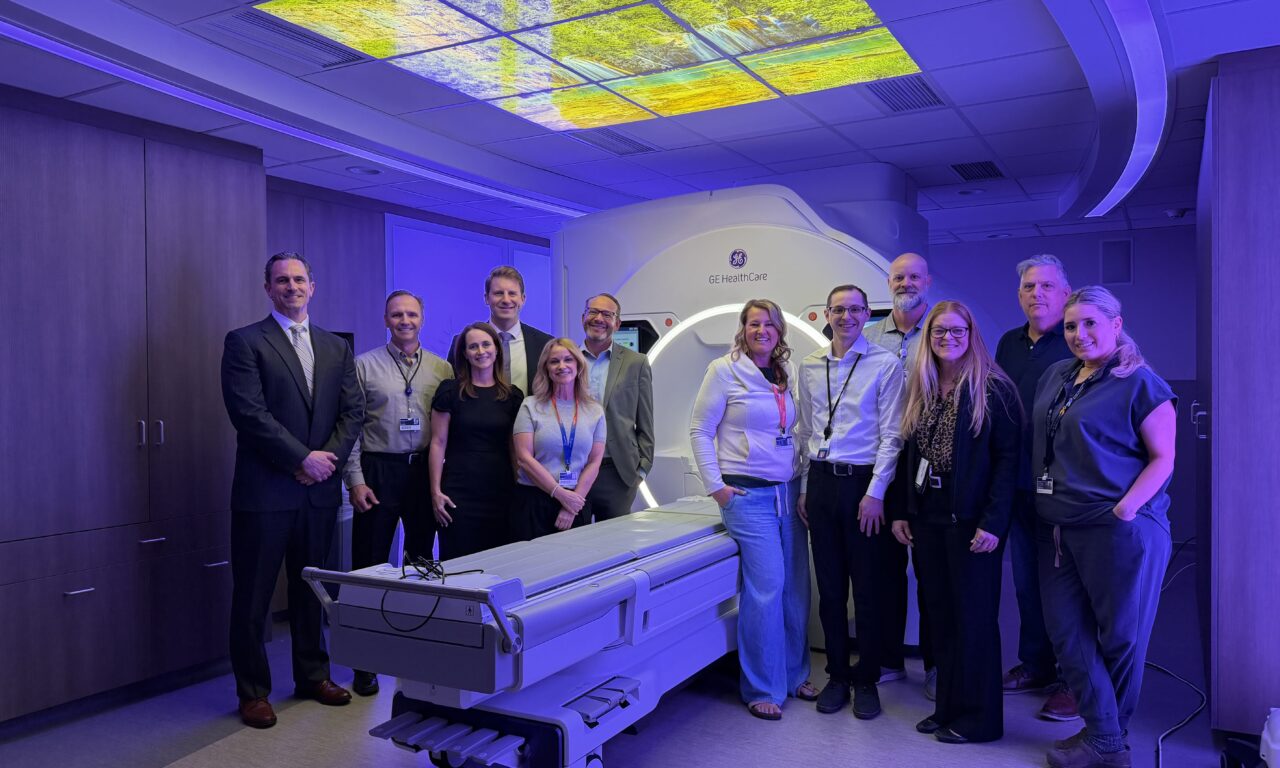
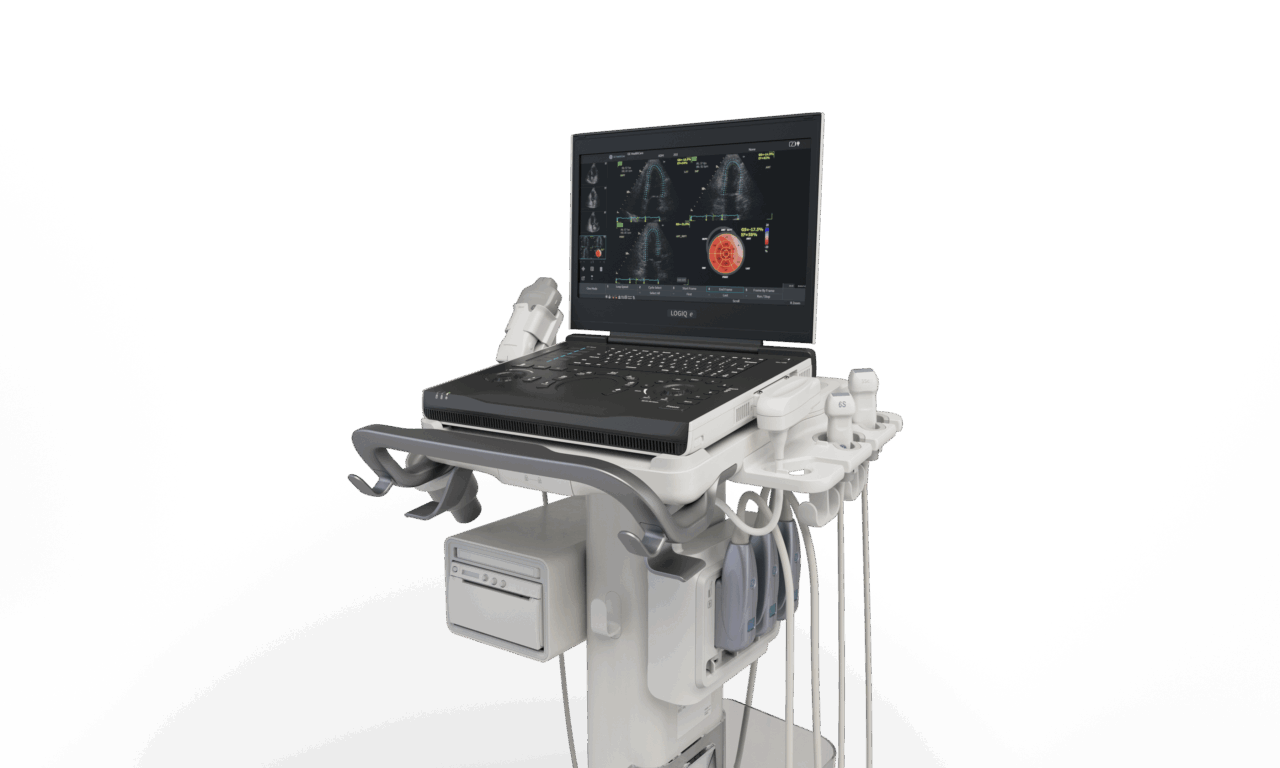
Imaging equipment is becoming more complex, and experienced imaging engineers are harder to find. Industry leaders discuss how HTM teams can respond.
The San Antonio health system will use a service-based model to standardize monitoring across its facilities and improve alarm management.
New guidance across eight domains developed by Coalition for Health AI members provides a step-by-step roadmap for transparent, trusted AI governance.
Imaging equipment is becoming more complex, and experienced imaging engineers are harder to find. Industry leaders discuss how HTM teams can respond.
The new mobile experience connects technicians, clinical staff, and hospital leaders on a single platform to help accelerate issue resolution and improve visibility across medical equipment service.
New technologies showcased at SNMMI 2026 aim to support precision care and streamline workflows as adoption of targeted therapies grows.
The low-profile overlay is designed for use during extended surgeries to reduce the risk of hospital-acquired pressure injuries.
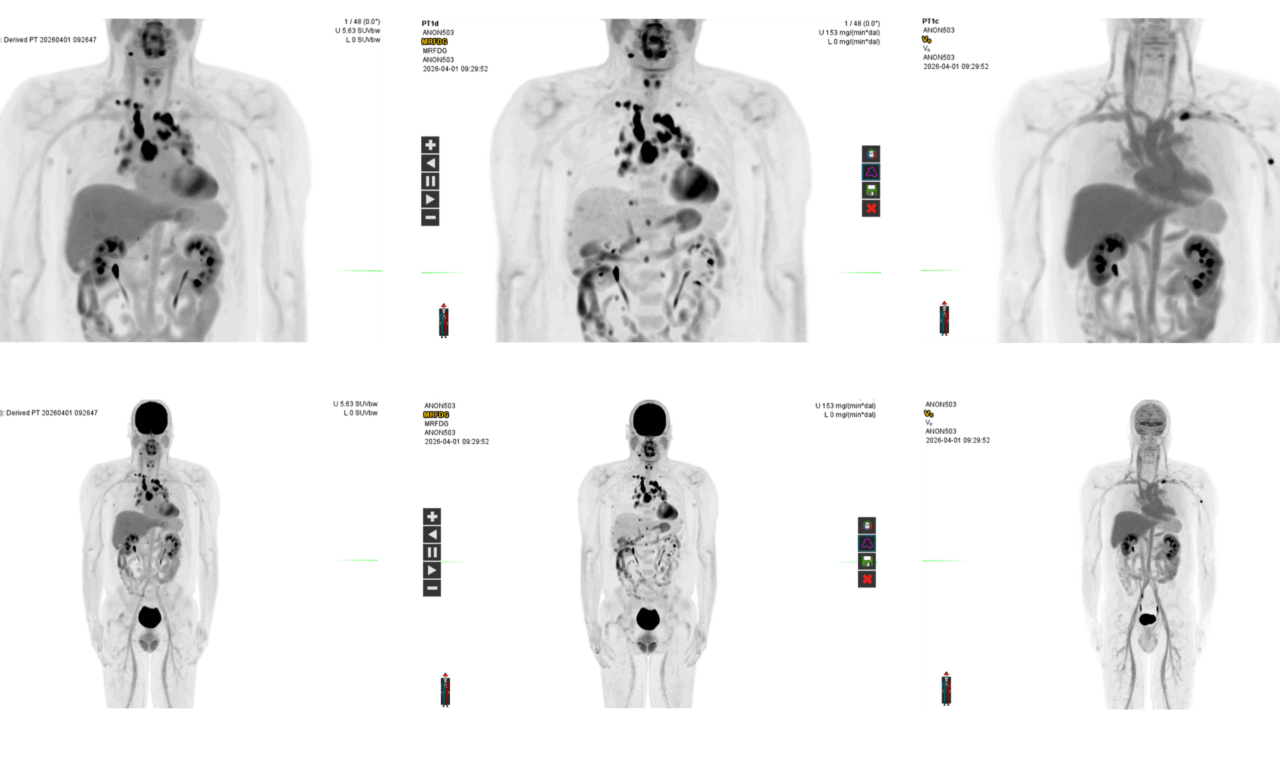
The MIM KineticID software is designed to provide quantitative insights into disease by tracking radiotracer movement over time.
Test equipment leaders from BC Group, Rigel Medical, Pronk Technologies, and Fluke Biomedical discuss changing customer expectations, the rise of automation, and where diagnostic tools are headed next.Â
The Kosmos platform update includes FDA-cleared presets for obstetrics, gynecology and billable vascular workflows designed for point-of-care use.
The new EB-710US device aims to reduce infection risks and streamline procedure preparation by eliminating the use of disposable balloons.
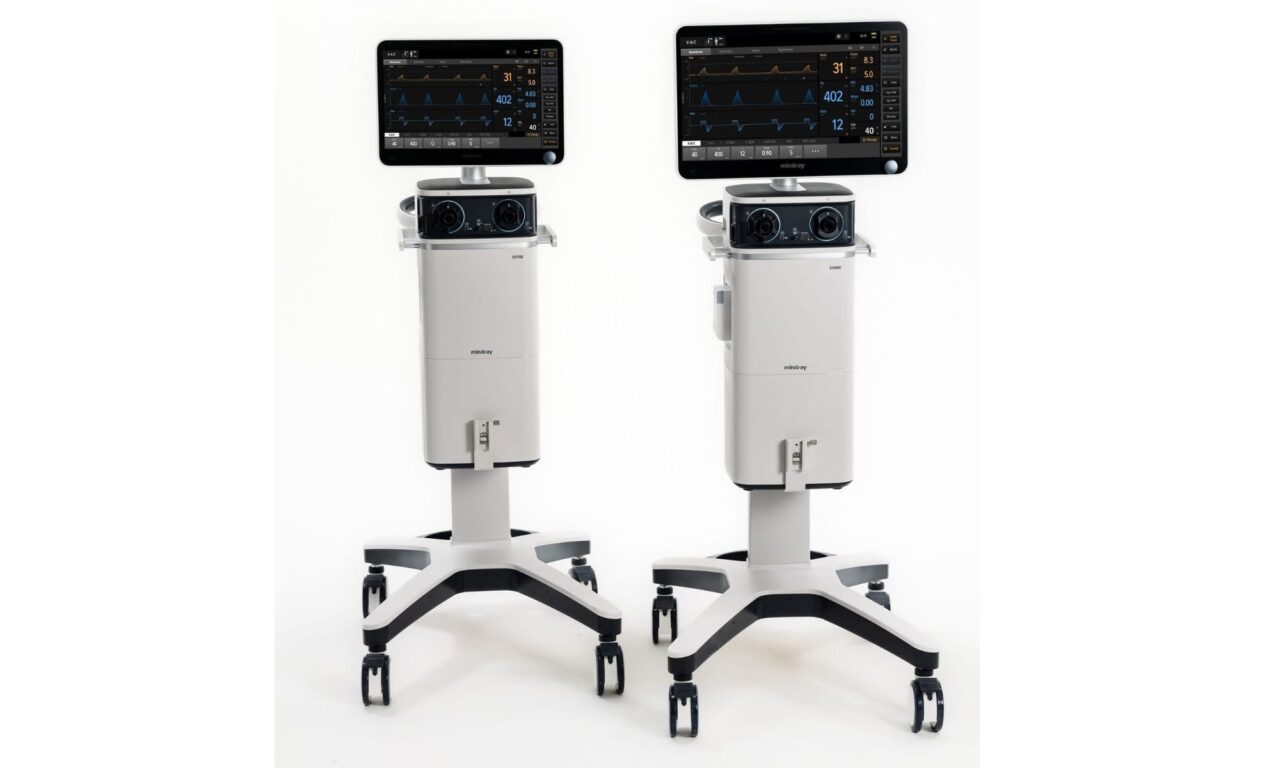
The device features technology that automatically adjusts oxygen delivery to a patient’s breathing rate, a feature recently evaluated in a university bench study.
New data from a 15,000-patient registry and a comparative effectiveness study show AI-based plaque analysis may outperform conventional cardiac testing in identifying high-risk patients and guiding preventive treatment.
The integration provides real-time visualization during cranial procedures to help neurosurgeons assess anatomical changes and support surgical precision.