Siemens Healthineers Ends General Imaging Ultrasound Sales
Siemens Healthineers is ending sales of four general imaging ultrasound systems as it shifts its focus to cardiovascular procedures and image-guided therapies.

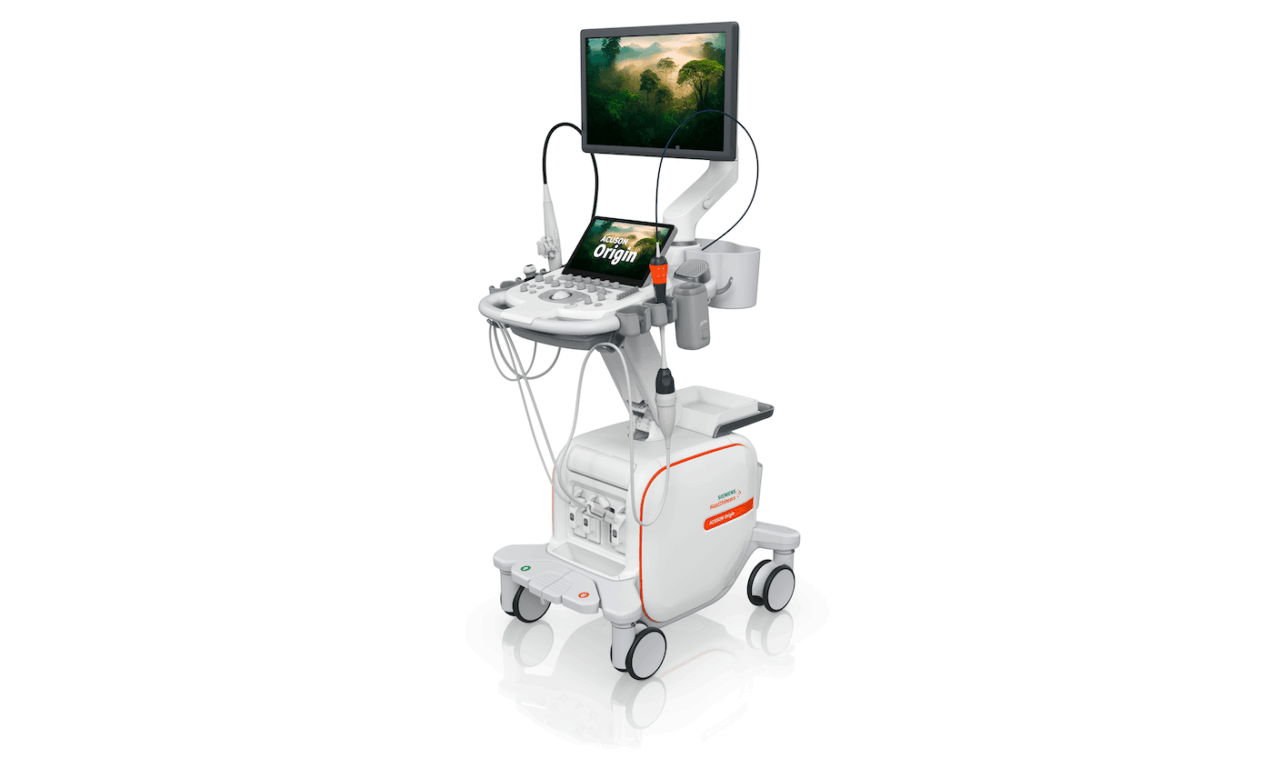
Siemens Healthineers is ending sales of four general imaging ultrasound systems as it shifts its focus to cardiovascular procedures and image-guided therapies.

Southwest Mississippi Regional Medical Center deploys the 85 cm bore scanner to support high-volume emergency and general radiology workflows and expand diagnostic services in the region.


New features aim to reduce the time required to address medical device vulnerabilities by 75% on average.




Siemens Healthineers is ending sales of four general imaging ultrasound systems as it shifts its focus to cardiovascular procedures and image-guided therapies.
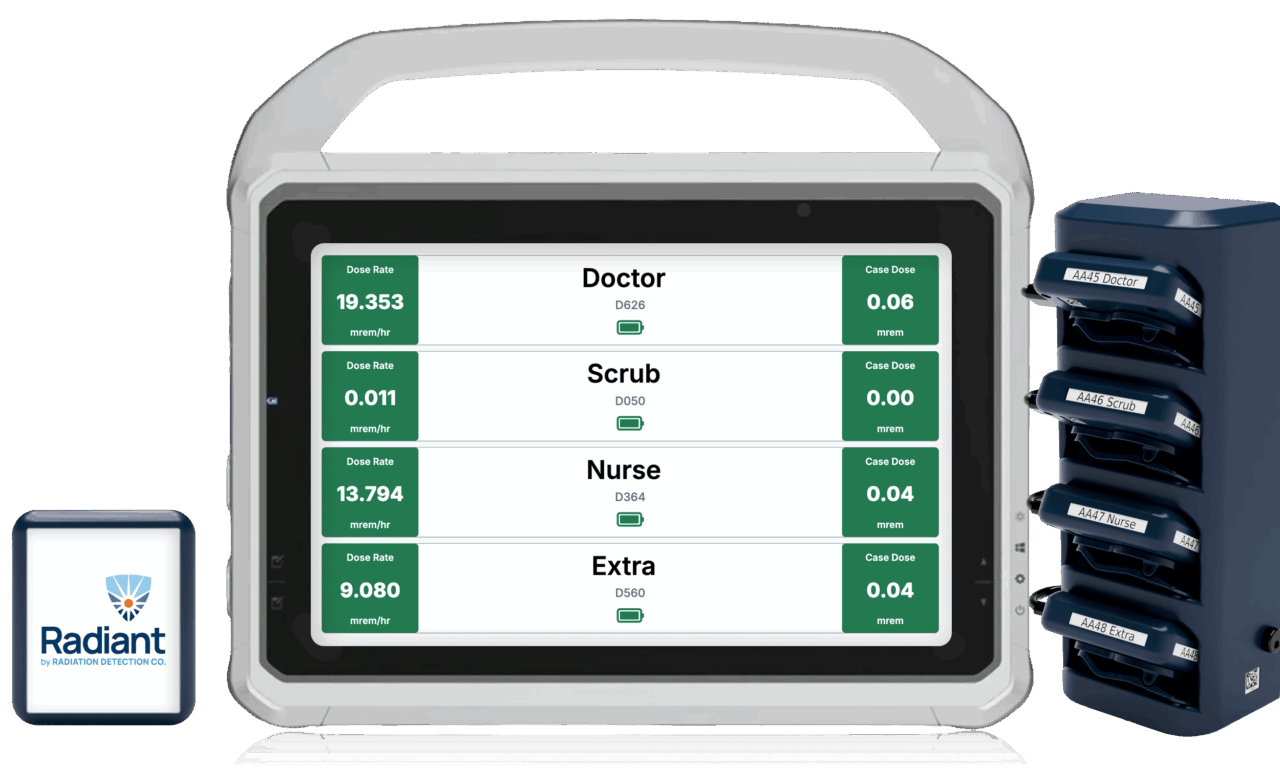
The new technology provides immediate data on radiation exposure during high-risk medical procedures.
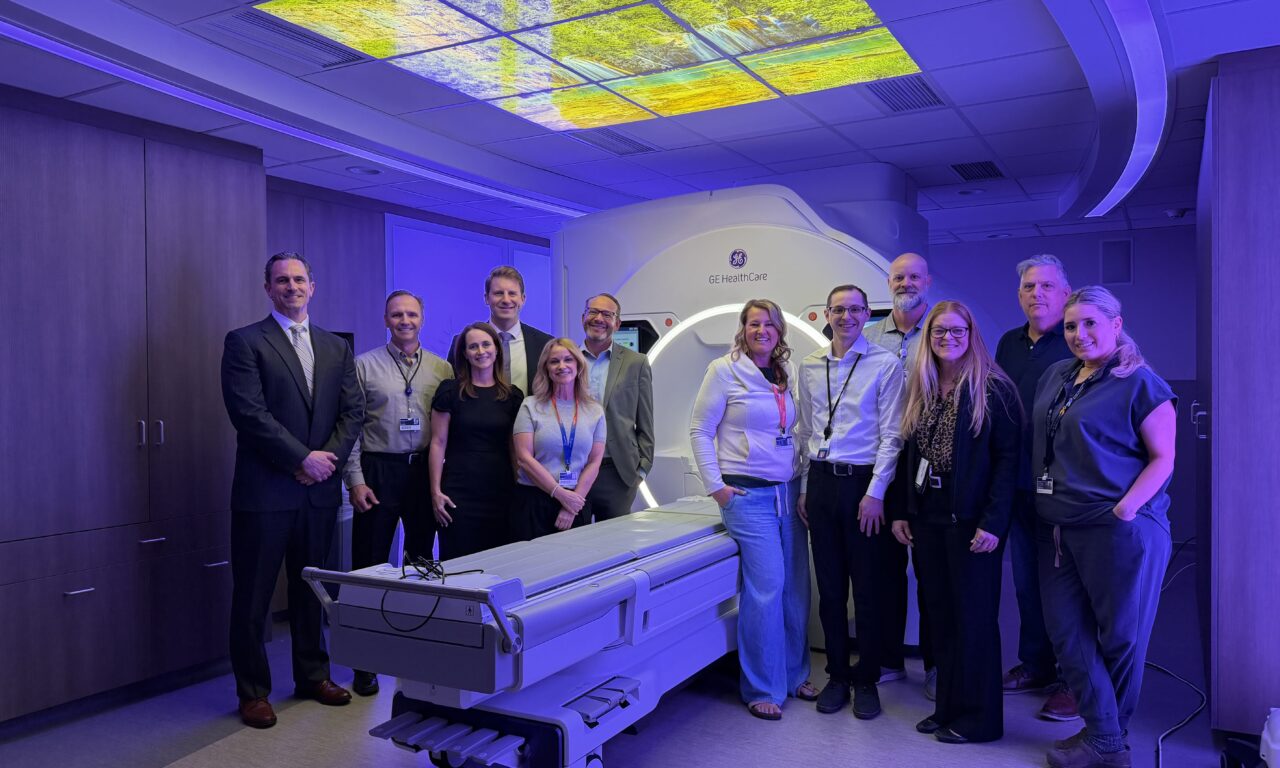
The Utah hospital is the second facility in the US to adopt the technology, which aims to shorten exam times and improve diagnostic images for heart and cancer patients.
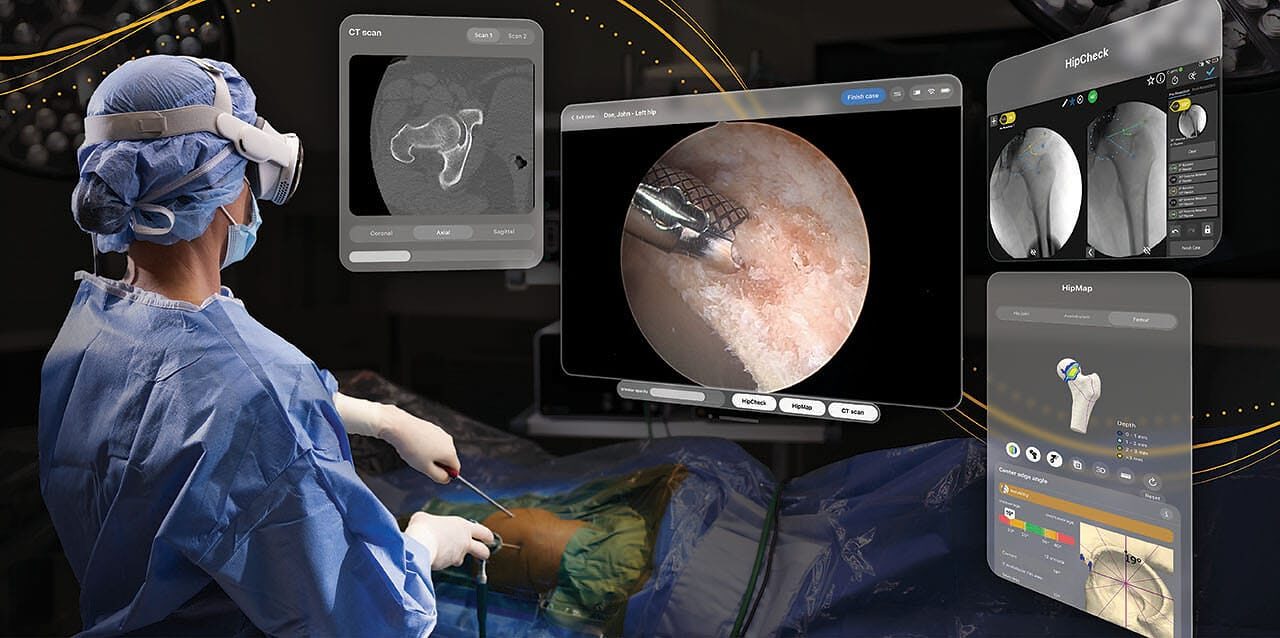
The spatial computing system brings imaging and procedural data into the surgeon’s field of view, reducing reliance on multiple operating room monitors.

Black Book Research identifies major security gaps as healthcare facilities deploy autonomous tools and models without proper safeguards.
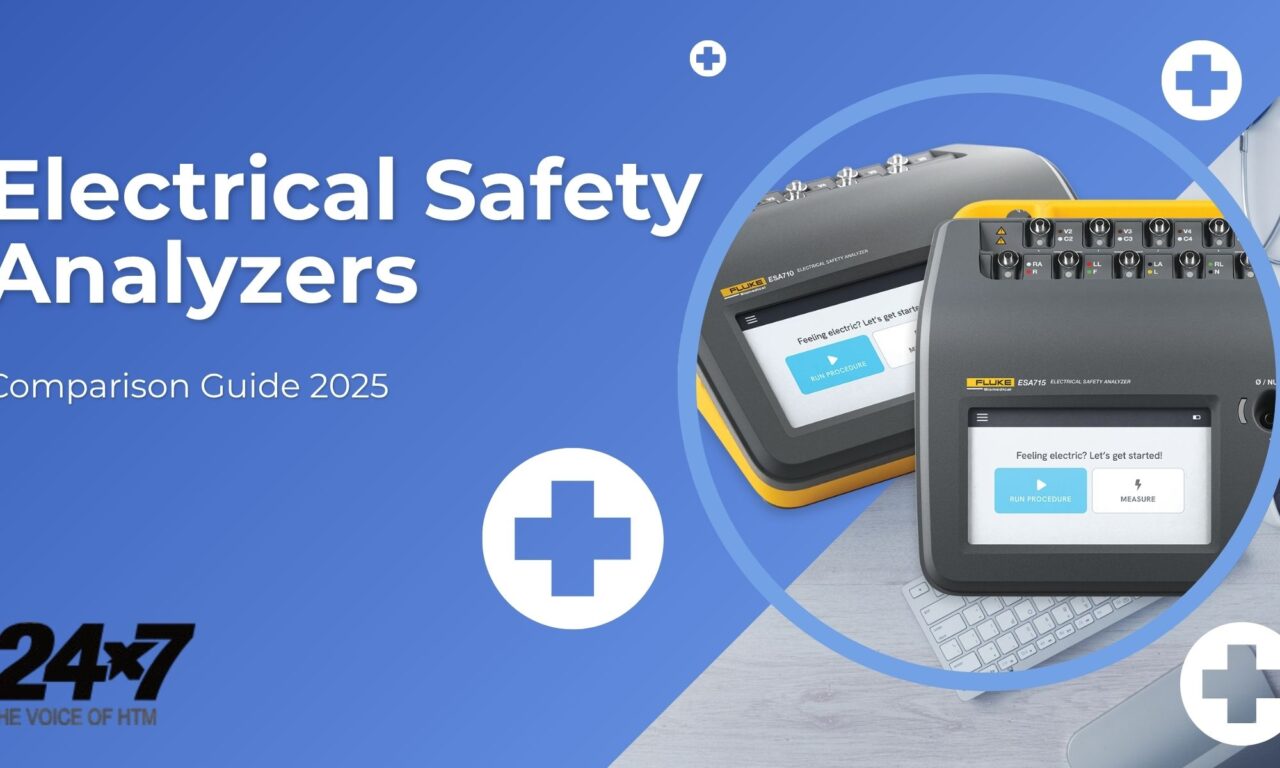
A comparison of leading electrical safety analyzers by features, compliance, and performance.
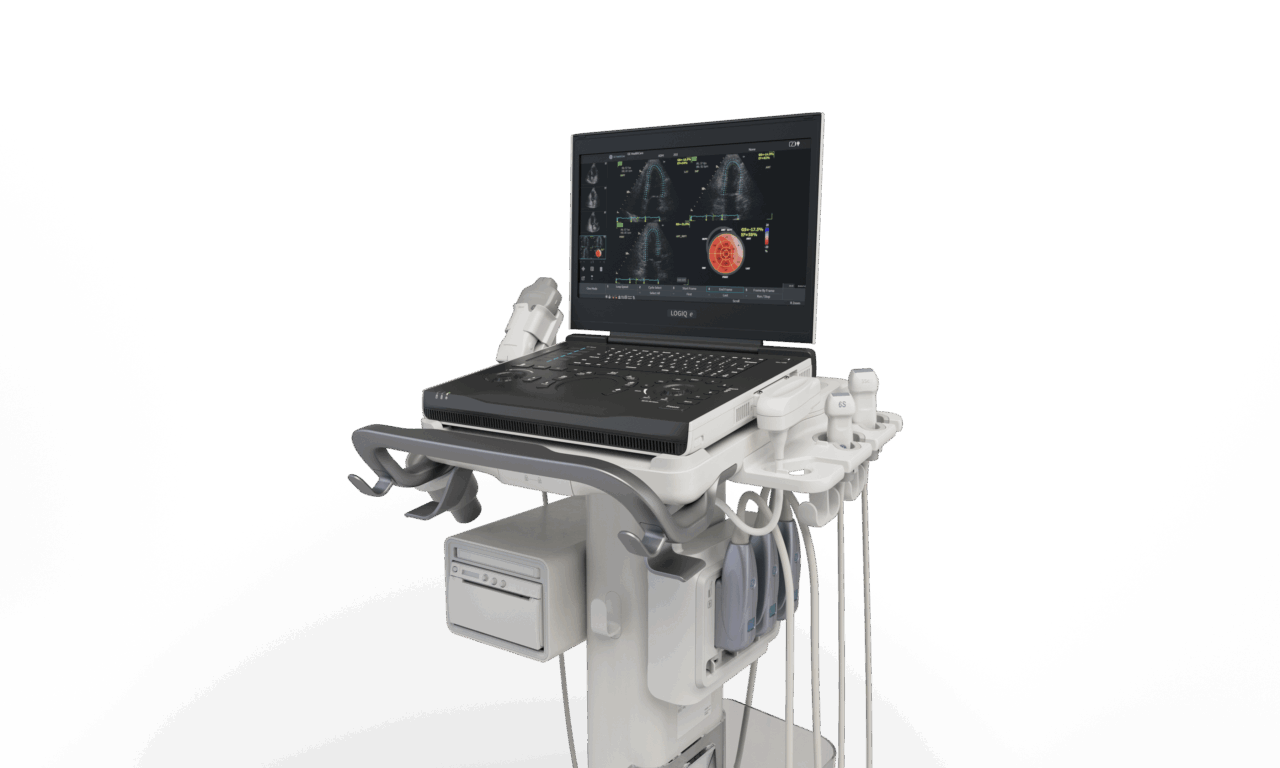
The new product family includes two compact systems designed for use in various clinical applications and care settings.

The new platform features artificial intelligence specialists to automate risk detection and remediation for healthcare technology.
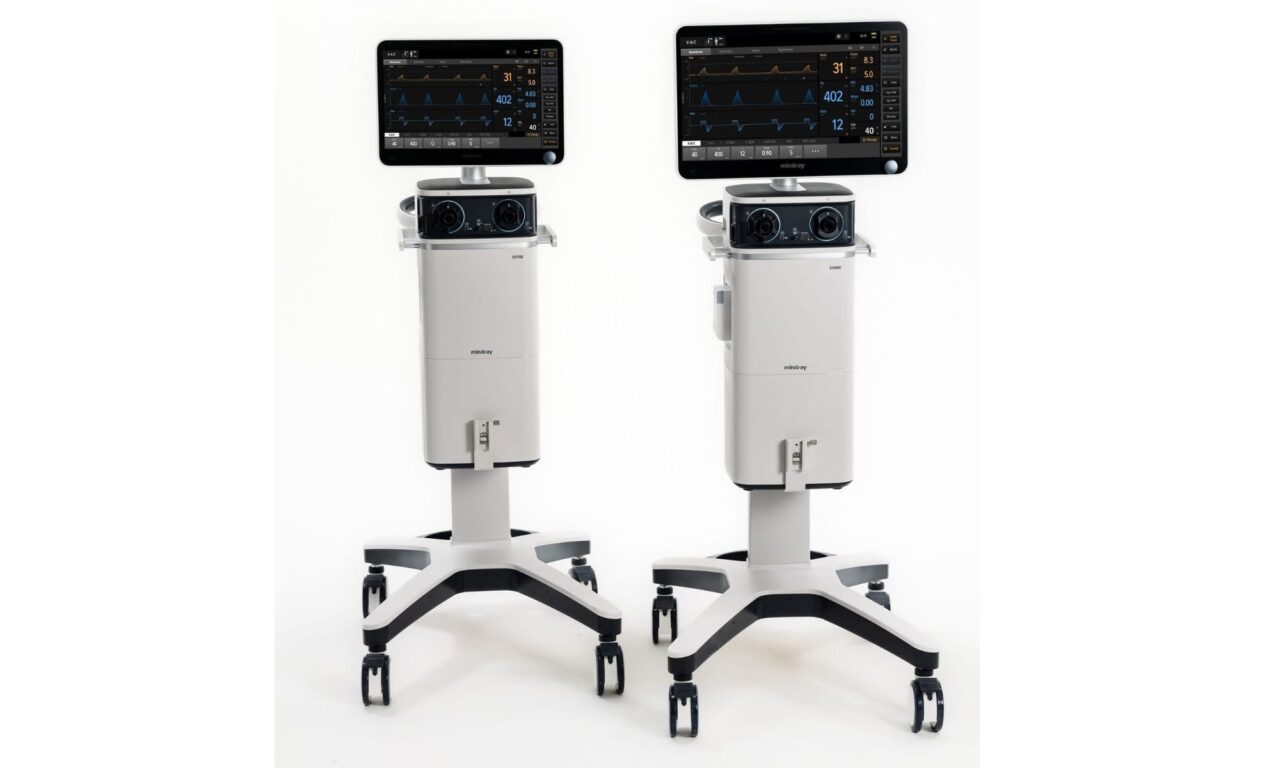
New systems combine invasive, non-invasive, and high-flow oxygen therapies in a single platform.
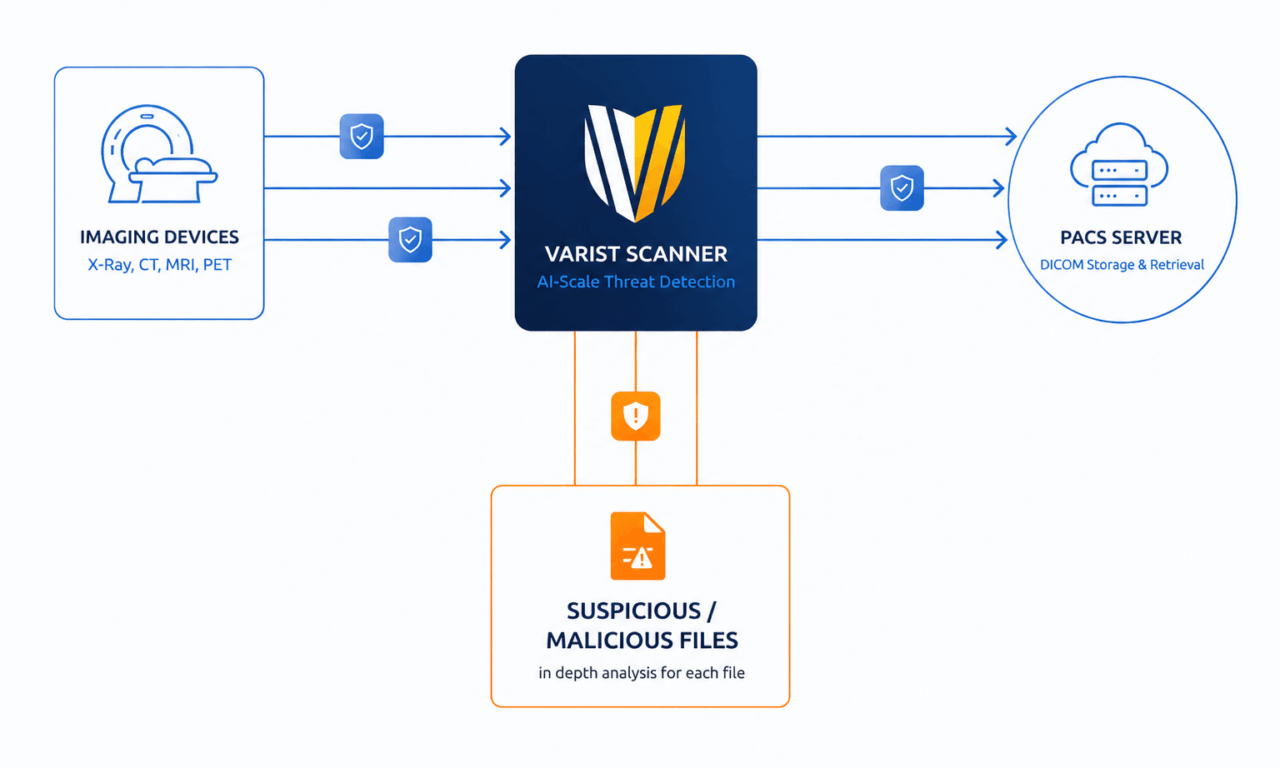
Specialized malware-detection engine secures file transfers and protocols used in EHR and PACS systems.
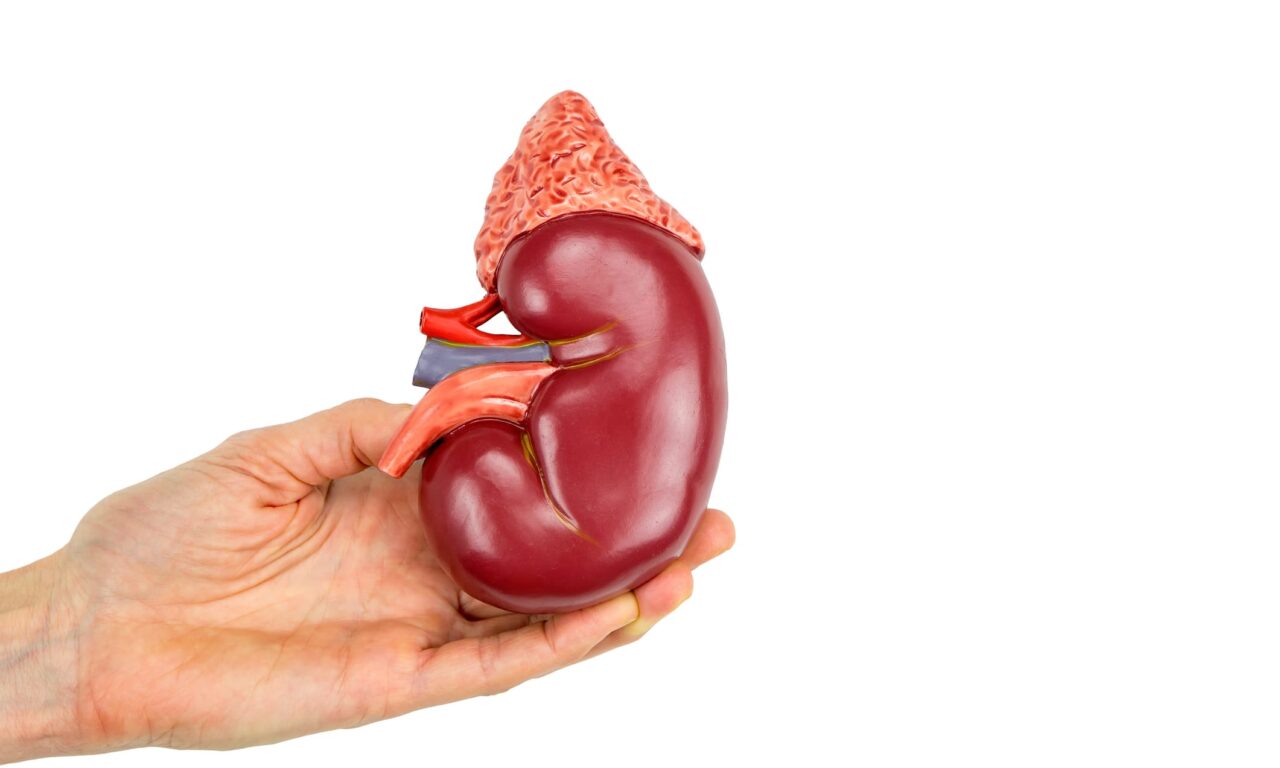
The medical-grade ice-based container replaces traditional cardboard and Styrofoam packaging to improve safety and reliability during organ shipping.