2026 Mobile X-Ray System Comparison Guide
Compare key specifications, workflow features, service capabilities, connectivity, and pricing for today's mobile X-ray systems.
New pathways allow health systems to update legacy imaging equipment with artificial intelligence and workflow tools while preserving existing infrastructure.
The $35 million expansion will advance artificial intelligence-powered ultrasound solutions for trauma assessment and mass casualty incident preparedness.
The platform uses a closed helium circuit and AI-based workflows to reduce helium use, energy consumption, and exam time.
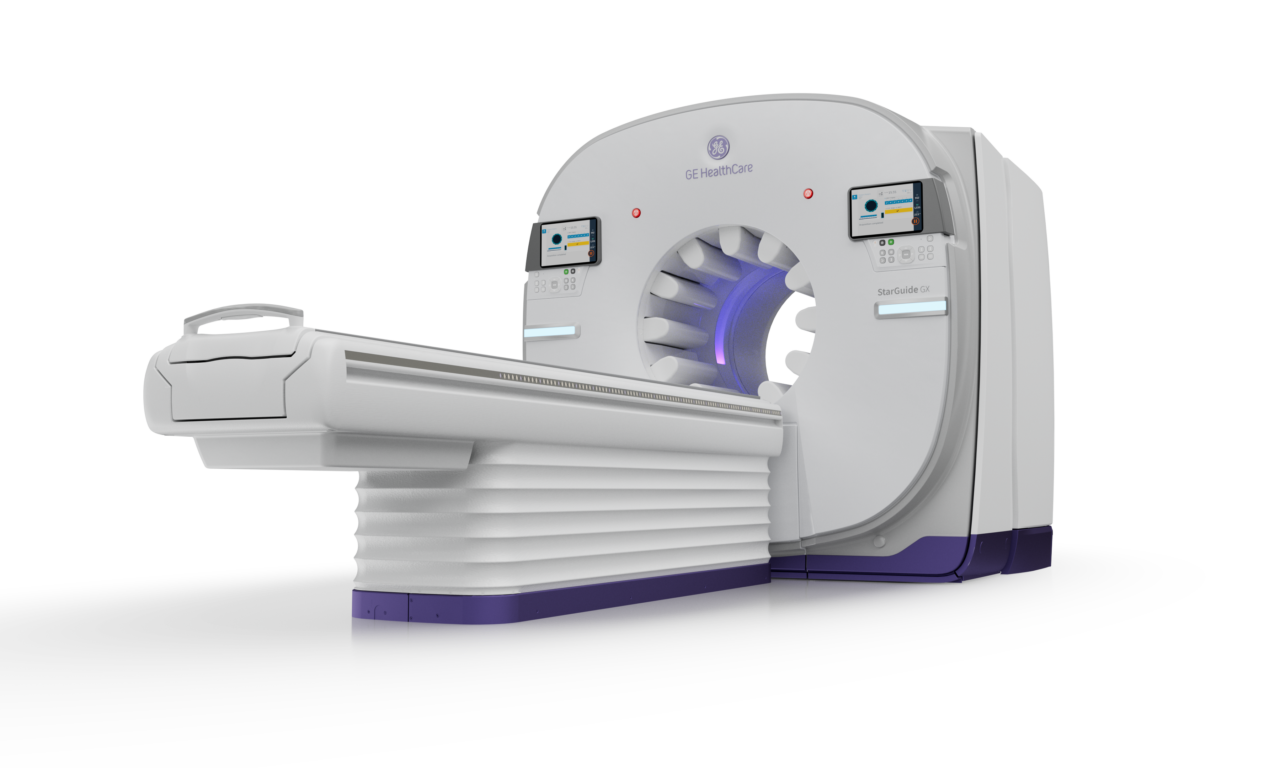
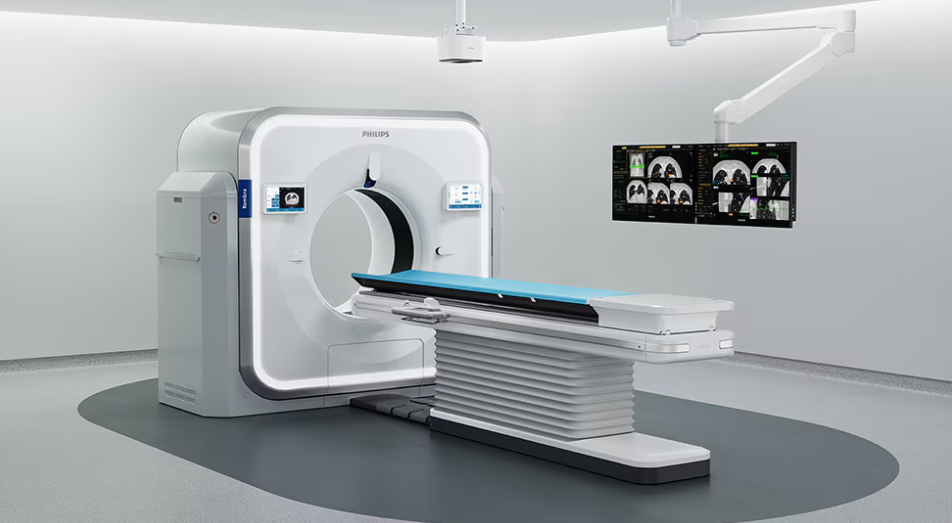
The new 510(k)-pending system is designed to simplify workflows with a single universal scan approach, aiming to boost efficiency and reduce complexity across multiple CT exams.
The system integrates updated imaging hardware, AI-driven tools, and independently validated ergonomic features aimed at supporting diagnostic accuracy and user comfort.
The mobile X-ray aims to enhance bedside imaging and diagnostic clarity for intensive care patients.
The investigational system uses X-ray diffraction and AI to analyze the molecular composition of tissue, aiming to reduce unnecessary biopsies.
The GE HealthCare system, installed in collaboration with Cyclomedical International, will enable on-site production of radioisotopes for PET imaging and theranostics.
A side-by-side look at PACS capabilities, from supported modalities and interoperability standards to pricing, licensing, and EHR integration.
The companies will operate as a single integrated provider under the Tri-Imaging name, bringing together aftermarket imaging parts, field service, depot repair, and technical training across MRI, CT, and X-ray platforms.