Siemens Healthineers, NVIDIA Partner to Advance Adaptive Radiotherapy with Agentic AI
The collaboration will explore agentic co-planning, patient-specific simulation, and real-time computing to personalize cancer treatment and expand access to care.


The collaboration will explore agentic co-planning, patient-specific simulation, and real-time computing to personalize cancer treatment and expand access to care.

FDA-authorized AI medical devices remain heavily concentrated in a handful of specialties despite rapid growth in the number of authorizations, according to a new analysis.


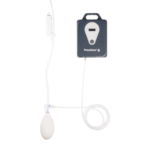


Compare infusion pump analyzers by testing capabilities, accuracy, automation, connectivity, CMMS integration, warranty, and price.




The collaboration will explore agentic co-planning, patient-specific simulation, and real-time computing to personalize cancer treatment and expand access to care.
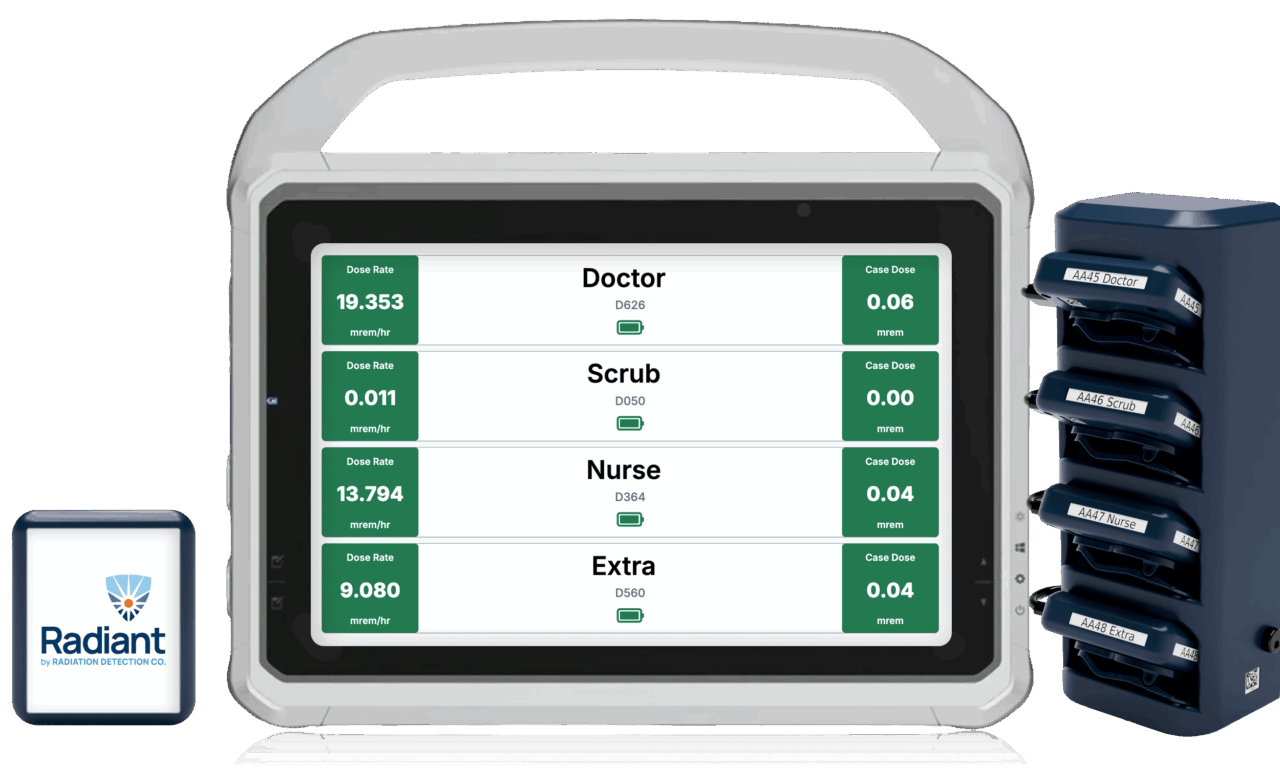
The new technology provides immediate data on radiation exposure during high-risk medical procedures.

The single-shot long-length imaging system is designed to reduce patient hold time, optimize radiation dose, and eliminate stitching artifacts across spine and long-bone exams.
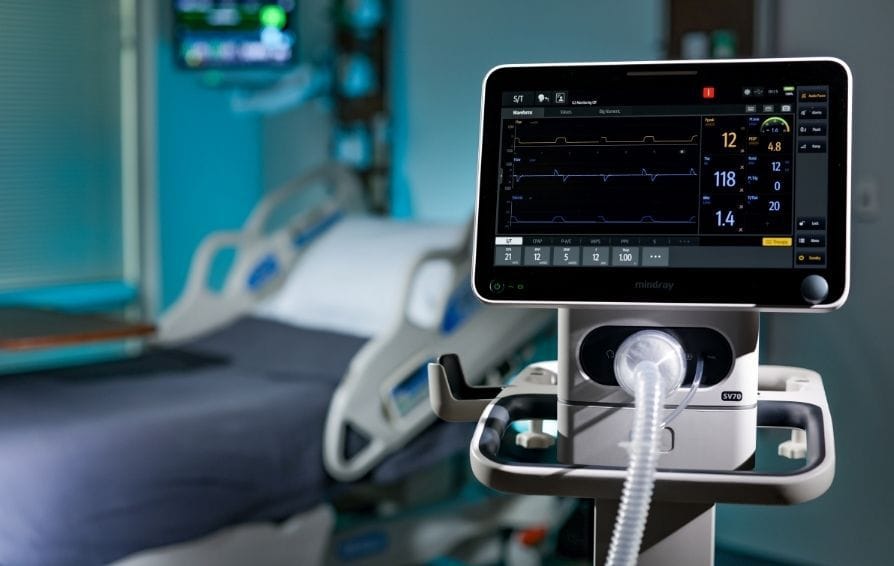
The turbine-driven system supports existing V60 accessories, integrates high-flow oxygen therapy, and shares a user interface with other Mindray SV-Series ventilators.

The software expands the Cios Spin mobile imaging system into surgical guidance without requiring external cameras, instrument trackers, or patient-mounted reference frames.

The collaboration will make BC Group’s biomedical test and measurement equipment available through reLink Medical’s marketplace.

The acquisition adds X-ray tubes and specialized digital detectors to the Teledyne medical imaging portfolio.

The work group will develop playbooks and risk assessment tools to help healthcare organizations defend against advanced model risks.
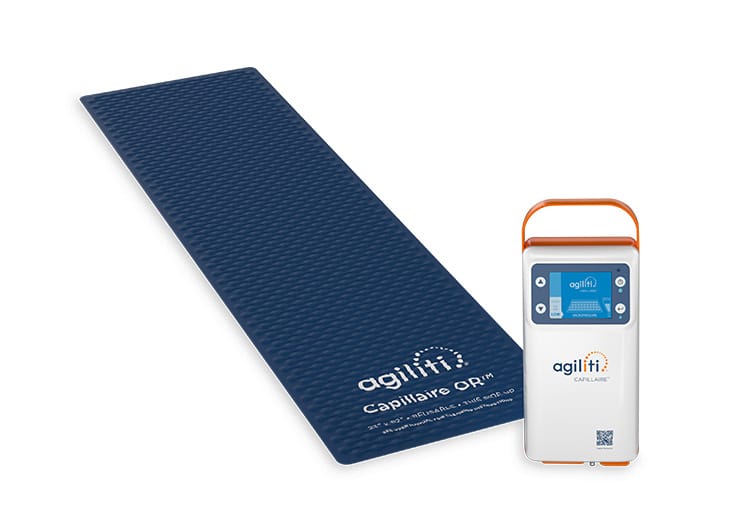
The low-profile overlay is designed for use during extended surgeries to reduce the risk of hospital-acquired pressure injuries.
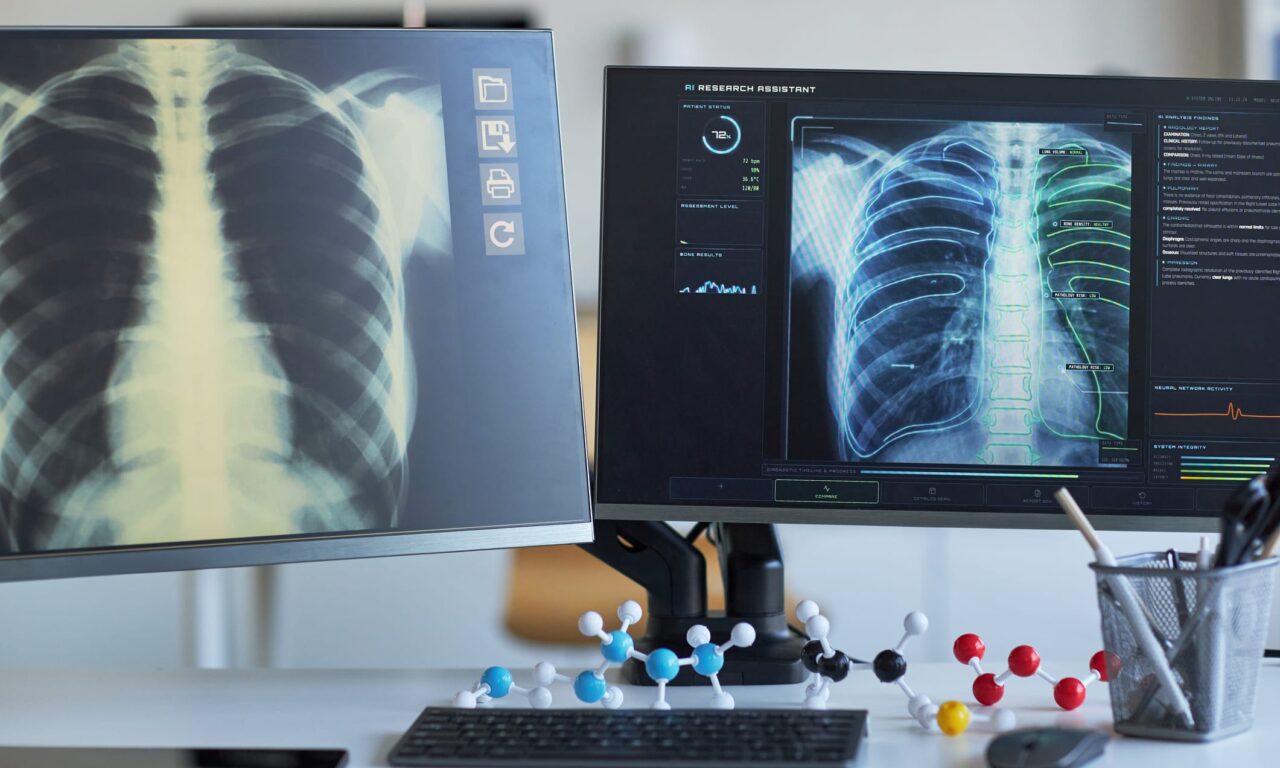
The system creates preliminary report text from chest X-rays and is intended to support radiologists facing increasing workloads.
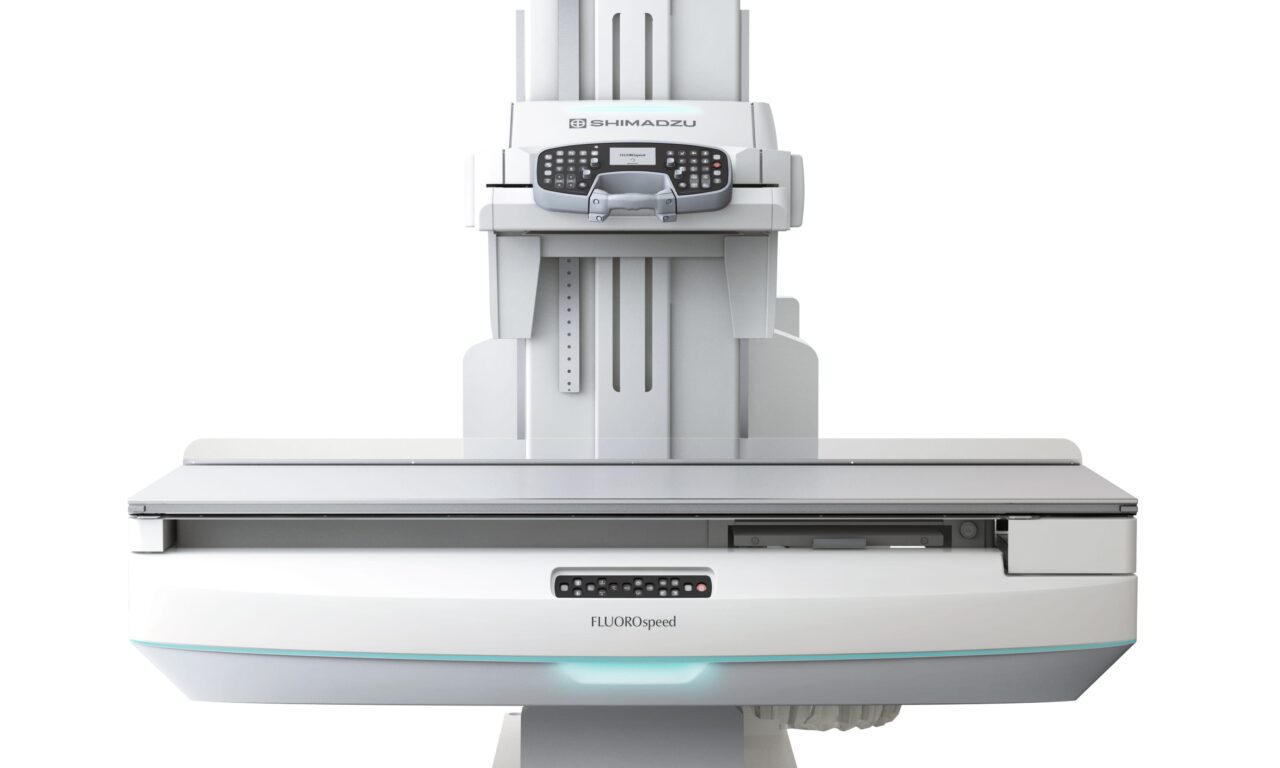
The patient-side system features a high weight capacity and enhancements for positioning and safety.