Six Months In, HHS Cyber Module Draws Steady Uptake From Health Systems
Since launching in March, the RISC 2.0 cybersecurity module has helped hundreds of facilities benchmark their defenses—and revealed where healthcare still falls short.

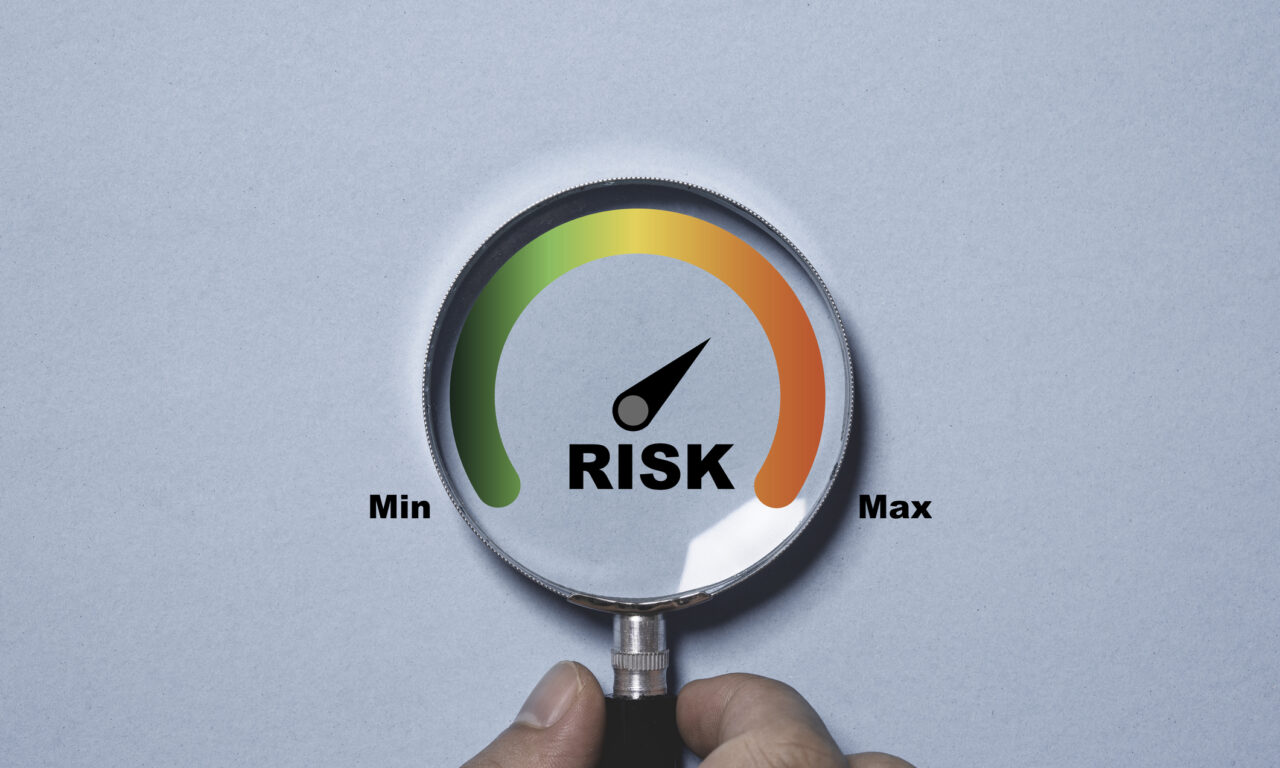
Since launching in March, the RISC 2.0 cybersecurity module has helped hundreds of facilities benchmark their defenses—and revealed where healthcare still falls short.
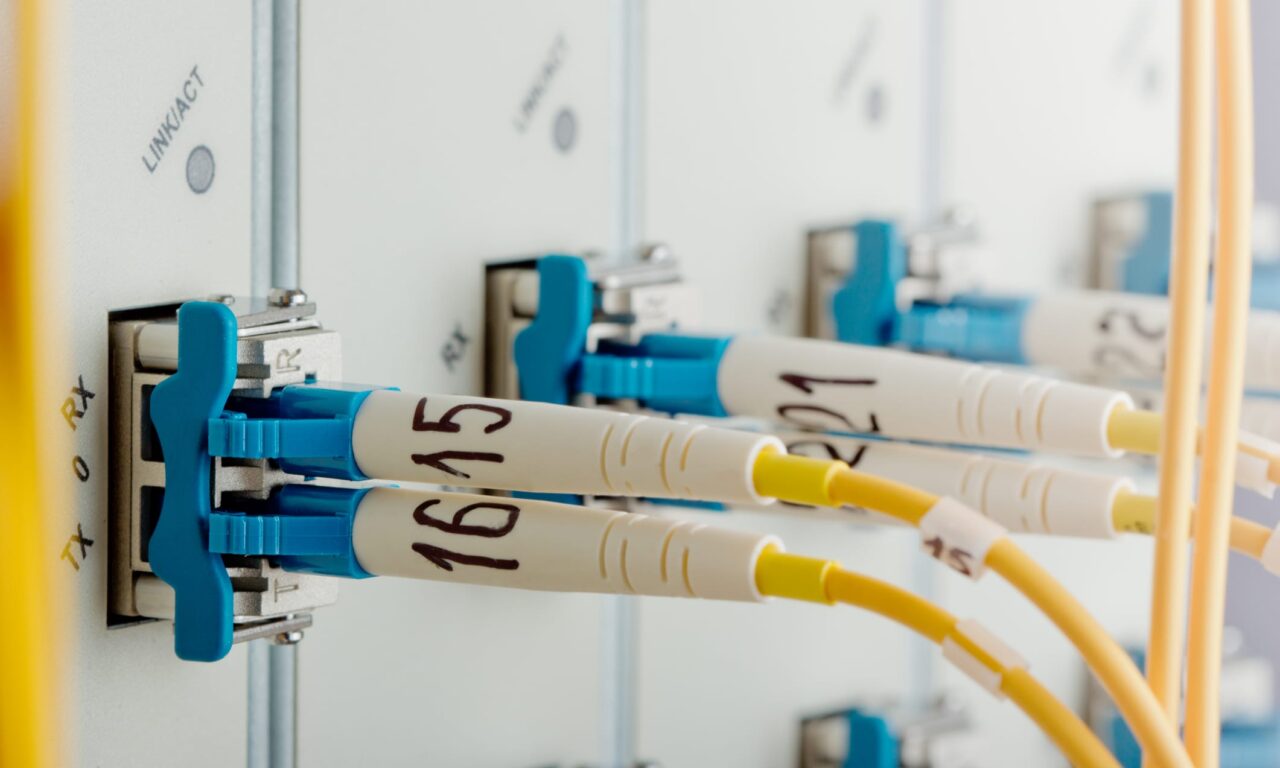
A layered cybersecurity strategy can help healthcare organizations protect connected medical devices without disrupting clinical operations.







The report found a 51% increase in published vulnerabilities and warned that attackers continue to target connected medical devices and other specialized systems.






Since launching in March, the RISC 2.0 cybersecurity module has helped hundreds of facilities benchmark their defenses—and revealed where healthcare still falls short.

A new report found that, despite these disruptions, most practices do not continuously monitor their digital supply chains.
Read More
New research shows medical facilities face more ransomware families and remote access threats than any other sector.
Read More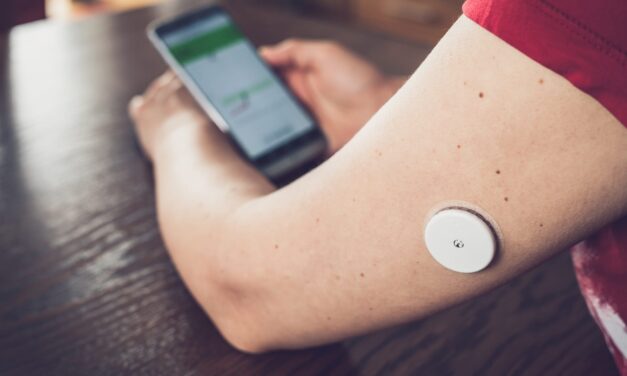
Remote patient monitoring is sending more medical devices into patients’ homes. Here’s what that means for HTM teams responsible for keeping those devices connected, secure, and ready for use.
Read More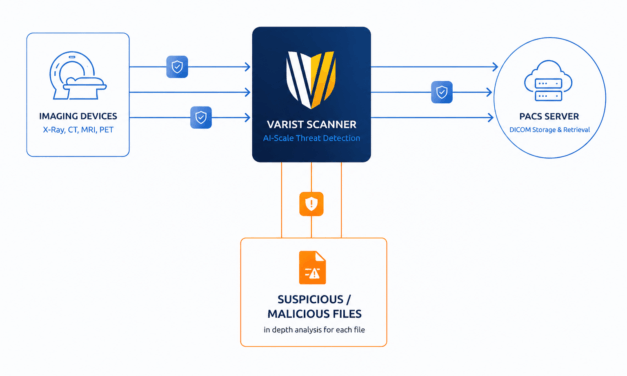
Specialized malware-detection engine secures file transfers and protocols used in EHR and PACS systems.
Read More
The project focuses on using artificial intelligence to automate security updates and protect hospital equipment from cyberattacks.
Read More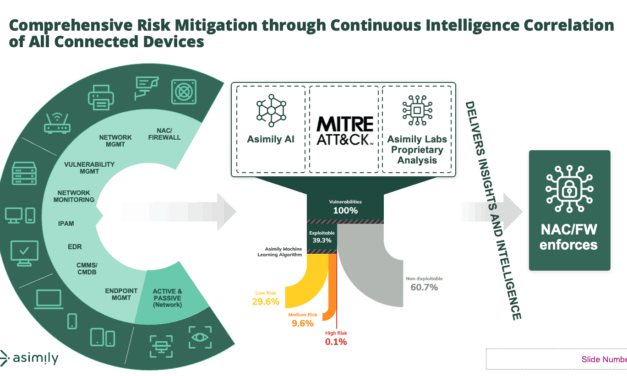
Asimily launches a platform to manage network policies and reduce risk for healthcare equipment without manual intervention.
Read More

The request seeks a review of devices cleared before 2023 to protect patient data from potential foreign interference.