A layered cybersecurity strategy can help healthcare organizations protect connected medical devices without disrupting clinical operations.
By Dan Miles, vice president of information technology at Intelas
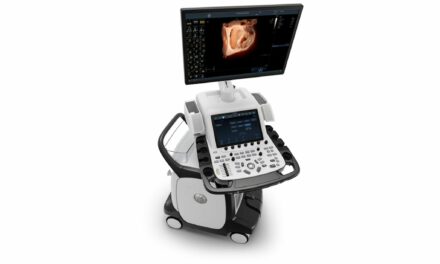
Today’s hospitals depend on thousands of connected medical devices to deliver patient care. Infusion pumps, patient monitors, imaging systems, anesthesia machines, and laboratory equipment all communicate across the healthcare network. While this connectivity improves clinical workflows, it also expands the organization’s cybersecurity risk.
The challenge is no longer simply protecting computers. Healthcare organizations must now secure an ecosystem of interconnected clinical devices while ensuring uninterrupted patient care.
The goal should be to reduce cyber risk without negatively impacting clinical operations.
Network Segmentation: The First Line of Defense
One of the most effective ways to reduce risk is through network segmentation.
Rather than allowing medical devices to reside on the same network as administrative systems, hospitals should isolate biomedical devices into dedicated network segments based on clinical function and risk.
Effective segmentation not only helps to limit lateral movement during a cyberattack, it also reduces the stack surface and improves visibility into device communications.
Network segmentation should be considered a foundational cybersecurity control rather than an optional enhancement.
Controlling Remote Vendor Access
Many medical devices require remote vendor support for software updates, diagnostics, and maintenance.
Unfortunately, unmanaged remote access has become one of the largest attack vectors within healthcare. Every remote connection should be treated as privileged access.
Here’s a checklist for what organizations should require to ensure cyber safety:
- Multi-factor authentication (MFA)
- Time-limited access windows
- Approval workflows
- Session logging
- Least-privilege access
- Vendor accountability
Multi-Factor Authentication Is No Longer Optional
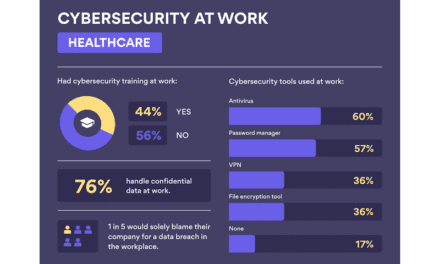
Passwords alone cannot adequately protect healthcare environments. MFA should be implemented for biomedical technicians, clinical engineering leadership, third-party vendors, service providers, and administrative users.
Modern identity platforms make it possible to enforce MFA without creating unnecessary operational burdens.
Visibility Is the Missing Piece
Hospitals often own thousands of medical devices, yet many organizations cannot answer simple questions:
- Which devices are connected today?
- Which devices contain critical vulnerabilities?
- Which devices have reached end of support?
- Which systems are affected by the latest FDA recall?
Without centralized visibility, organizations are forced into reactive security.
Modern healthcare technology management (HTM) platforms should integrate cybersecurity data, asset inventories, vulnerability management platforms, and FDA recall information into a single operational view.
From Cybersecurity to Operational Intelligence
The future of HTM extends beyond cybersecurity. By connecting CMMS platforms, cybersecurity tools, network discovery solutions, EMR systems, and asset management platforms into a unified ecosystem, organizations can transform disconnected information into actionable intelligence.
Instead of simply identifying vulnerabilities, healthcare organizations can begin answering strategic questions and begin the shift from a reactive discipline to a strategic operational capability in order to fortify their cybersecurity readiness.
Artificial Intelligence (AI) will undoubtedly play an increasing role in HTM, but AI is only as effective as the quality of the data behind it.
Organizations that invest today in connected technology ecosystems, standardized asset data, strong identity management, and modern cybersecurity controls will be best positioned to leverage AI in the future.
Securing the biomedical network is no longer just an IT initiative. It is both a patient safety and an operational excellence initiative— and, increasingly, a competitive advantage.
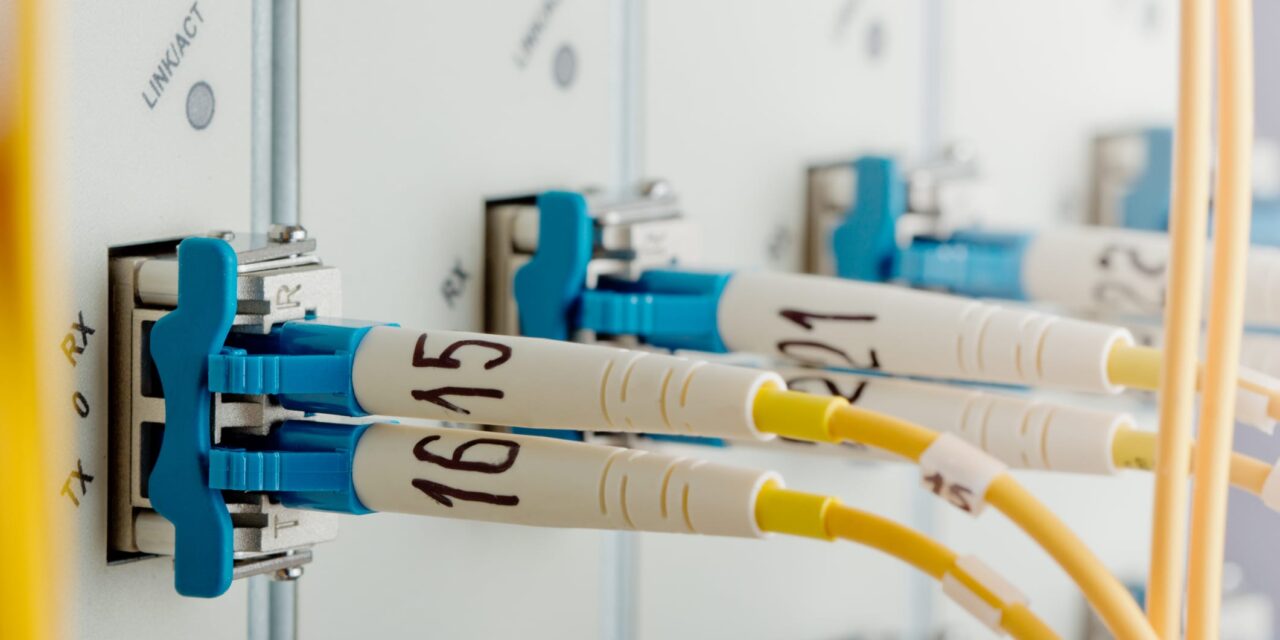
ID 22308837 © Mikhail Popov | Dreamstime.com
About the author: Dan Miles is vice president of IT at Intelas, where he leads strategic and operational technology initiatives across the organization.