
A new blueprint provides a framework for aligning IT and biomedical teams to manage cybersecurity and clinical uptime.
Healthcare organizations are rapidly expanding fleets of network-connected biomedical, imaging, and clinical devices, but many continue to manage them through disconnected processes, according to Info-Tech Research Group.
The firm released a blueprint, titled Build a Resource Plan to Support Integrated IT and Biomedical Device Management, to help healthcare technology leaders align staffing, governance, and support models. Research from the group indicates that health technology leaders now support 10 times more connected devices than they did a decade ago, yet many hospitals still lack standardized resource models and clear ownership for device security.
“Healthcare CIOs are now responsible for 10 times more connected devices than a decade ago, yet many hospitals still track them on spreadsheets and split responsibility between IT and Biomed,” says Kassim Dossa, research director at Info-Tech Research Group, in a release. “Healthcare organizations need a structured resource plan that aligns IT, biomed, security, and clinical operations around shared accountability before the next vulnerability exposes the gap.”
Challenges in Device Oversight
The blueprint identifies several recurring challenges that limit the oversight of connected medical devices. According to the report, many healthcare organizations rely on manual spreadsheets or disconnected systems to track devices, which makes it difficult to maintain accurate inventory visibility.
Additionally, responsibilities for cybersecurity, patching, and support are often split across different teams without a shared governance model. This fragmentation is compounded by staffing shortages among biomedical equipment technicians, clinical engineering, and cybersecurity professionals. Info-Tech Research Group reports that these gaps in asset tracking and lifecycle governance can lead to operational delays and increased risks to patient care.
A Three-Phase Integration Framework
To address these inefficiencies, the firm outlines a three-phase methodology for healthcare organizations to transition toward an integrated support model:
- Phase 1: Clarify Drivers and Scope: Leaders should identify organizational pain points, define key performance indicators, and validate device inventory to establish a baseline for ownership.
- Phase 2: Assess Current Practices: Organizations should evaluate staffing capabilities, support workflows, and technology gaps to identify where device oversight is failing.
- Phase 3: Design the Future Model: The blueprint advises creating a risk-based support model that includes scalable staffing plans, training, and a phased implementation roadmap.
The framework is supported by the Biomed–IT Device Management Resource Planning Tool. This resource is designed to help healthcare leaders define roles, estimate staffing ratios, and project future costs based on anticipated device growth. By following this structured approach, healthcare organizations can improve device visibility, close process gaps, and better manage the performance of critical clinical technologies, according to the report.
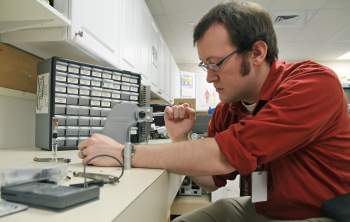
Photo caption: Info-Tech Research Group’s Build a Resource Plan to Support Integrated IT and Biomedical Device Management blueprint outlines a framework to help healthcare leaders align IT, biomed, security, and clinical operations around scalable device support.
Photo credit: CNW Group/Info-Tech Research Group
ID 270735905 © Yuri Arcurs | Dreamstime.com