
The patient safety organization highlights risks associated with unvalidated wellness devices and lack of transparency in clinical decision support software.
ECRI, a nonprofit patient safety organization, has submitted recommendations to Congress calling for increased oversight and transparency for digital health technologies to prevent potential patient harm.
In response to a House Energy and Commerce Subcommittee on Health hearing, ECRI provided lawmakers with policy recommendations regarding the proposed Digital Health Screeners Act of 2026. The organization warned that current gaps in regulatory oversight for consumer-facing technologies, such as wearable devices and clinical decision support (CDS) tools, could lead to clinical errors.
Risks of Unvalidated Wellness Devices
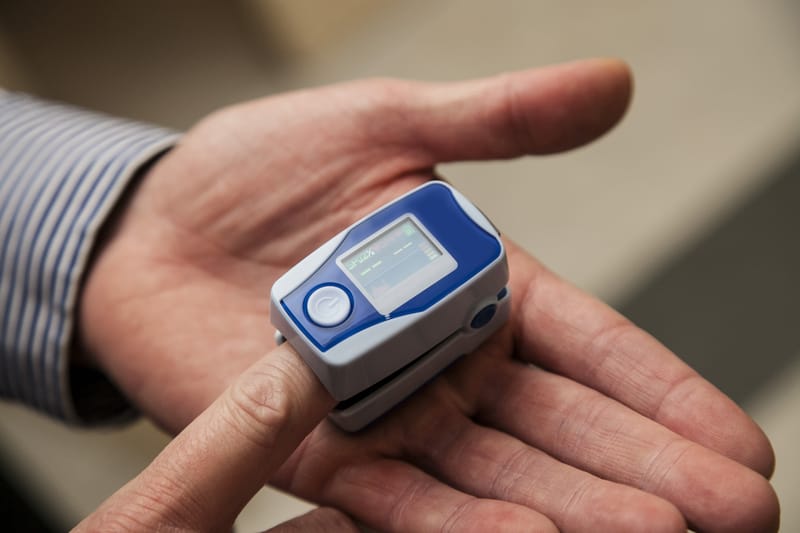
A primary concern involves the increasing availability of general wellness devices that estimate physiologic parameters including blood pressure, oxygen saturation, and blood glucose. While these tools may appear equivalent to regulated medical devices, many fall outside the Food and Drug Administration (FDA) oversight framework, ECRI notes.
“From a user perspective, there is often no visible distinction between a clinically validated device and one that has not undergone the same level of scrutiny,” says Scott Lucas, ECRI vice president of device safety, in a release. Lucas highlighted the risk of inappropriate clinical reliance on unvalidated data.
ECRI also noted the lack of mandatory reporting requirements for wellness devices. Unlike regulated medical devices, these products are not subject to standardized post-market surveillance, which makes it difficult to identify safety issues before they cause harm.
Transparency in Clinical Decision Support
The organization also emphasized risks associated with CDS software. While recent FDA guidance clarifies which tools fall outside regulatory oversight, it does not impose enforceable requirements for transparency. ECRI cautioned that expanding exemptions for certain CDS tools could reduce oversight without ensuring clinicians understand how recommendations are generated.
Without access to information regarding underlying algorithms and performance across patient populations, clinicians may be more susceptible to automation bias. This overreliance on technology can undermine independent clinical judgment, according to ECRI.
Policy Recommendations for Patient Safety
To address these concerns, ECRI urged lawmakers to adopt several targeted policy measures:
- Establish a public-facing classification system to distinguish clinically validated devices from general wellness products,
- Expand oversight authorities to include risks associated with inaccurate physiologic data,
- Require enforceable transparency standards for all CDS tools used in clinical care, and
- Mandate validation of device performance across diverse demographic groups to reduce disparities in care.
ECRI also highlighted the impact of regulatory gaps on underserved populations. Evidence has shown that some technologies, such as pulse oximeters, may perform less accurately in certain demographic groups, raising concerns about inequities in diagnosis and treatment. Ensuring accuracy across diverse populations is critical as digital health tools increasingly supplement or replace in-person care in some communities, the organization says.
ID 43044206 © Stocktributor | Dreamstime.com