You Can’t Patch Everything, So Own the List That Decides What Gets Fixed First
Hospitals can’t address every medical device vulnerability at once, making clear ownership of the priority list—and HTM’s role in shaping it—critical.

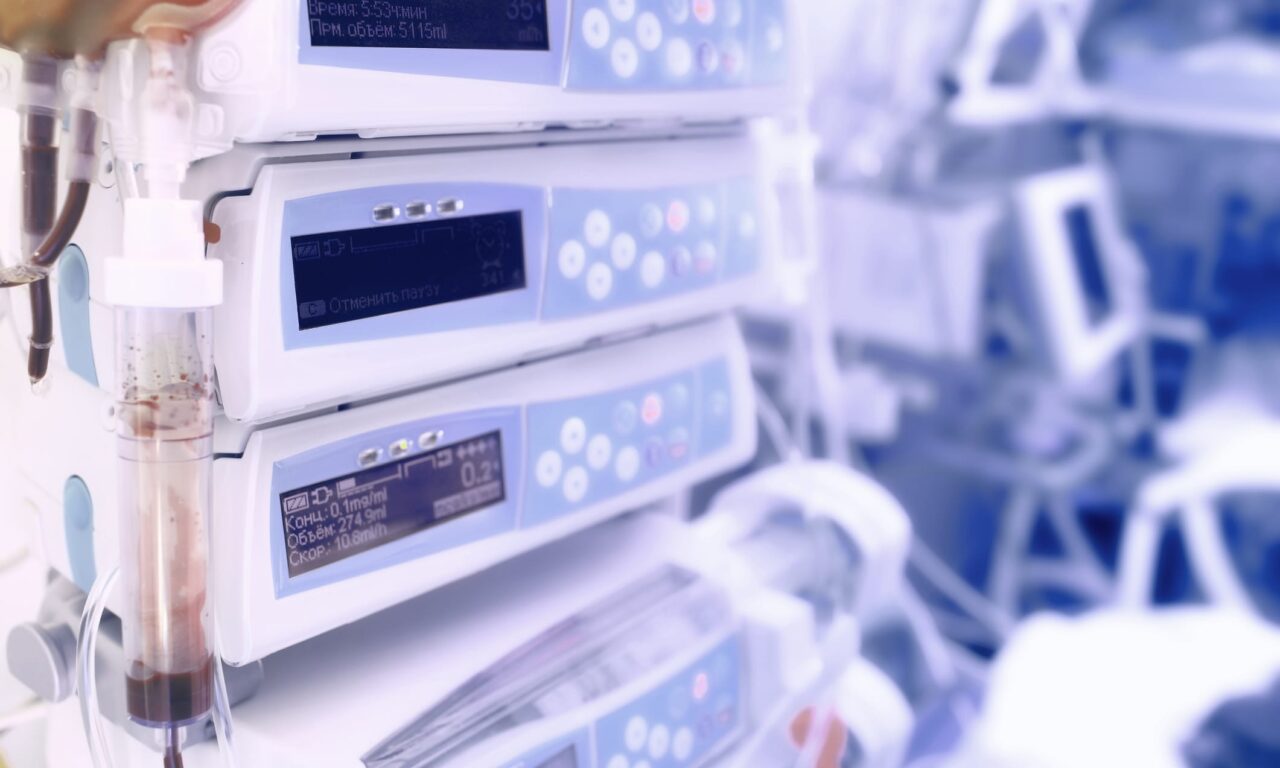
Hospitals can’t address every medical device vulnerability at once, making clear ownership of the priority list—and HTM’s role in shaping it—critical.

The company reports no impact on manufacturing, patient services, or medical technology safety.







A joint advisory from CISA, the FBI, the NSA, and international partners urges healthcare organizations to secure vulnerable networking devices against Russian state-sponsored actors.





Hospitals can’t address every medical device vulnerability at once, making clear ownership of the priority list—and HTM’s role in shaping it—critical.
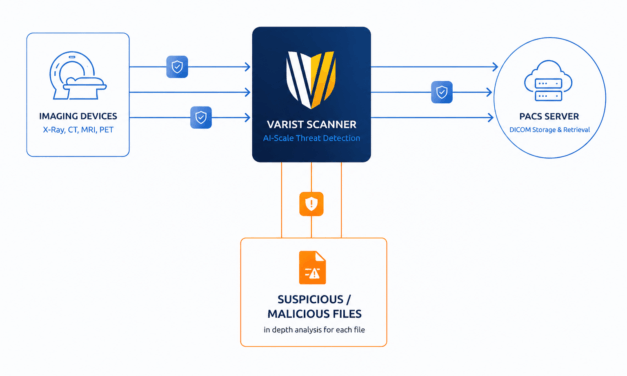
Specialized malware-detection engine secures file transfers and protocols used in EHR and PACS systems.
Read More
The project focuses on using artificial intelligence to automate security updates and protect hospital equipment from cyberattacks.
Read More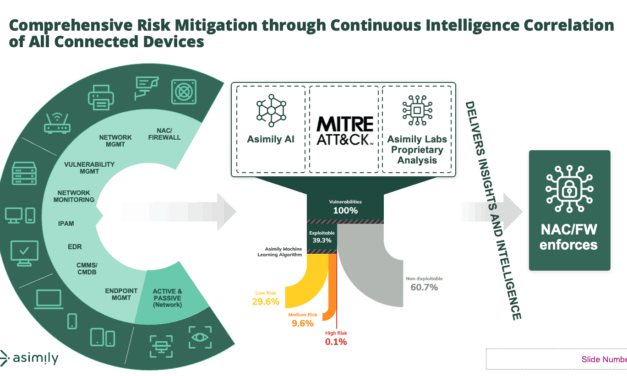
Asimily launches a platform to manage network policies and reduce risk for healthcare equipment without manual intervention.
Read More
The request seeks a review of devices cleared before 2023 to protect patient data from potential foreign interference.
Read More
The health system says the project helped contain ransomware exposure risks and cleared the way for remote robotic surgery technology deployment.
Read More
The 2026 honorees include HTM professionals recognized for leadership, cybersecurity, humanitarian work, mentorship, and advancing patient safety across healthcare technology management.
Read More

The conversational AI capability within TRIMEDX-AIQ helps biomedical technicians find troubleshooting data to reduce downtime and improve equipment availability.