IBM Report Finds AI-Enabled Data Breaches Cost Organizations Average of $6 Million
Malicious attacks using artificial intelligence increased 56% over the previous year, according to the 2026 Cost of a Data Breach Report.


Malicious attacks using artificial intelligence increased 56% over the previous year, according to the 2026 Cost of a Data Breach Report.

The agency warns of a high-risk issue where needle components may lock during insertion, potentially delaying critical care.

As AI becomes more common across healthcare technology, the voluntary certification gives hospitals a way to demonstrate they have processes in place to govern its use.
Read More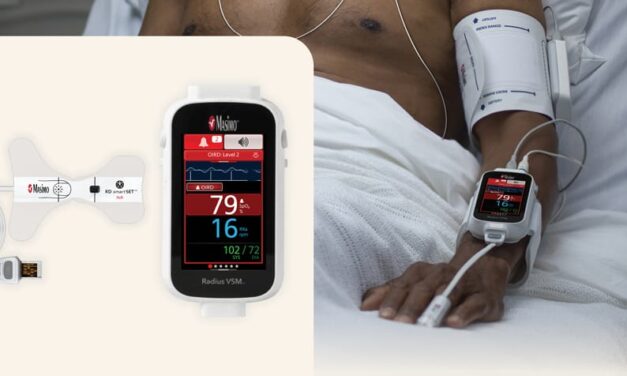
The new capability for the Radius VSM wearable monitor uses pattern-recognition technology to analyze continuous patient data and help clinicians identify early signs of opioid-related respiratory risk.
Read More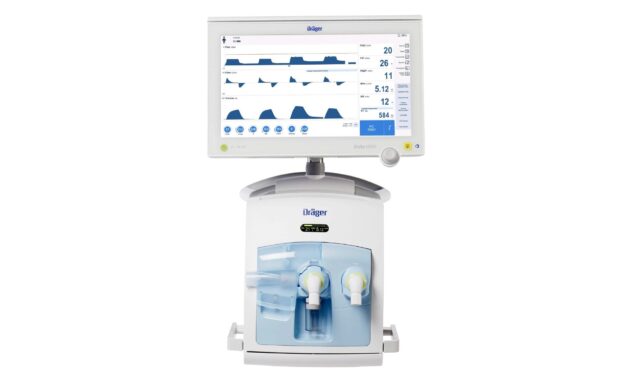
The update introduces features designed to assist clinicians in managing patients with pulmonary diseases like acute respiratory distress syndrome.
Read More
The healthcare analytics firm emphasizes the importance of prep-work and functional equivalents before supply disruptions occur.
Read More
In a response to a recent right-to-repair op-ed, representatives of the American College of Clinical Engineering argue that giving qualified technicians access to service information, parts, and diagnostic tools can improve equipment uptime, reduce costs, and support patient care.
Read More
The tenth triennial proceeding allows stakeholders to seek renewals or new exemptions for bypassing technological measures that control access to protected works.
Read More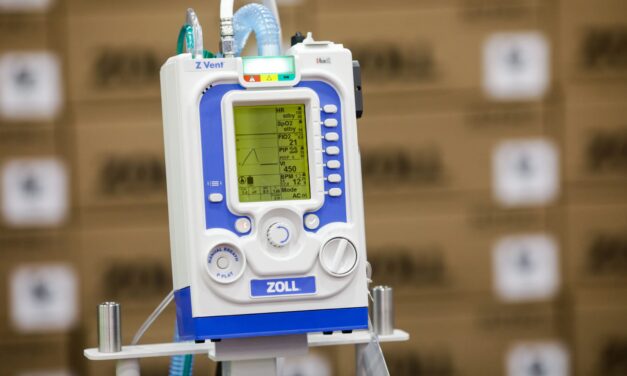
The agency cites failures in corrective actions, design validation, and reporting for ventilators, defibrillators, and sensors.
Read More
The Office of Health Technology and Products will oversee digital modernization, data exchange, and artificial intelligence initiatives across federal health programs.
Read More
The new technology is designed to improve oxygen saturation monitoring reliability across diverse skin tones and patient populations.
Read More
The project focuses on using artificial intelligence to automate security updates and protect hospital equipment from cyberattacks.
Read More
New guidance identifies low-risk devices in eight medical specialties that will no longer require 510(k) submissions to reduce regulatory burdens.
Read More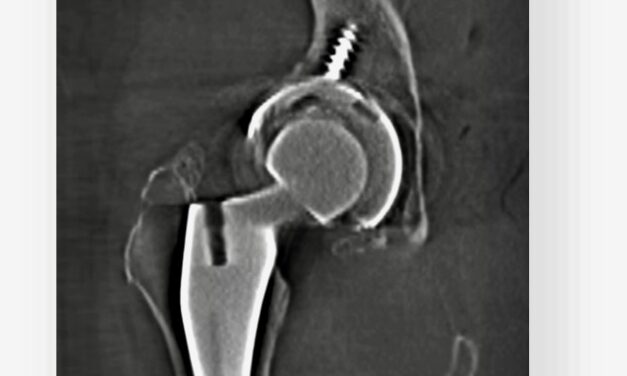
The CBeam system enables 3D visualization using existing hospital infrastructure during orthopedic and neurological procedures.
Read More