FDA Clears Abbott Dual-Energy Cardiac Ablation Catheter
The TactiFlex Duo combines pulsed field ablation and radiofrequency energy in a single catheter for treating patients with atrial fibrillation.


The TactiFlex Duo combines pulsed field ablation and radiofrequency energy in a single catheter for treating patients with atrial fibrillation.
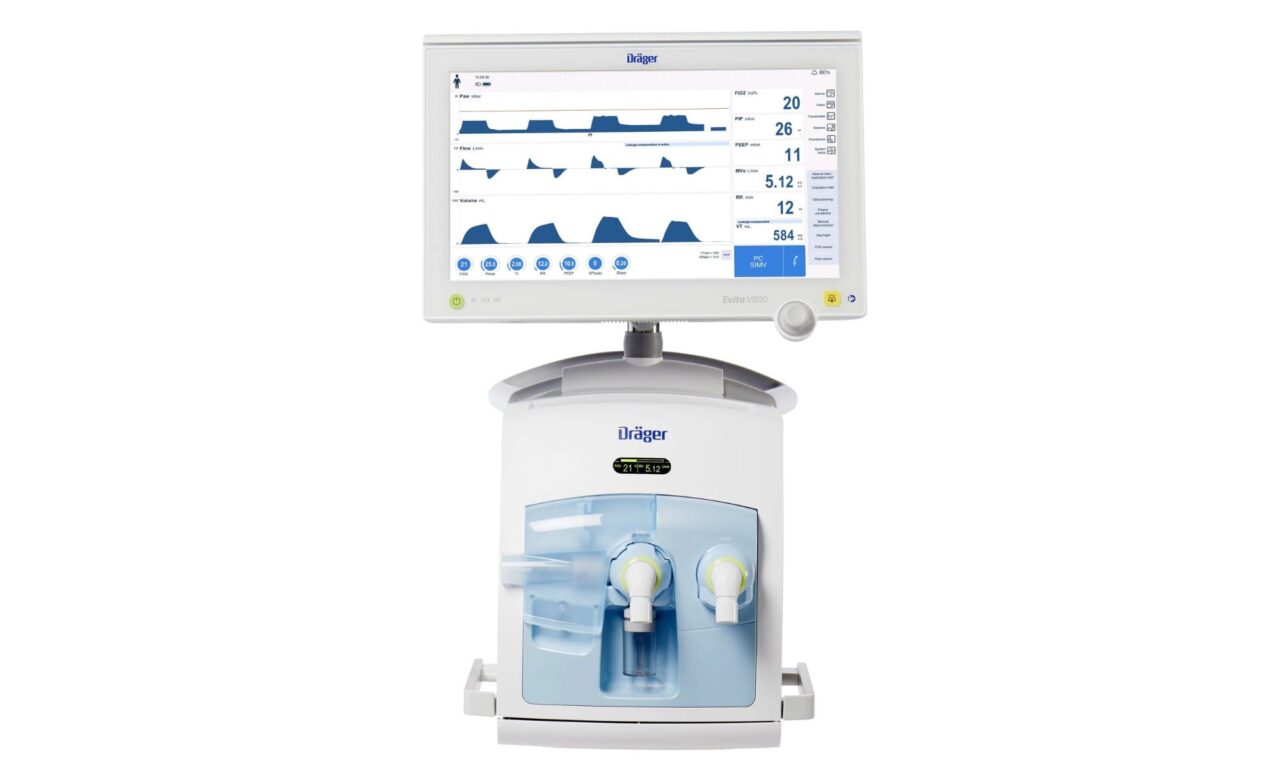
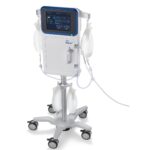
The update introduces features designed to assist clinicians in managing patients with pulmonary diseases like acute respiratory distress syndrome.




The technology, developed by Johns Hopkins University researchers, identifies sepsis cases up to 48 hours earlier than traditional methods and has reduced mortality rates by 18%.


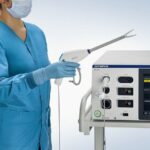

The TactiFlex Duo combines pulsed field ablation and radiofrequency energy in a single catheter for treating patients with atrial fibrillation.
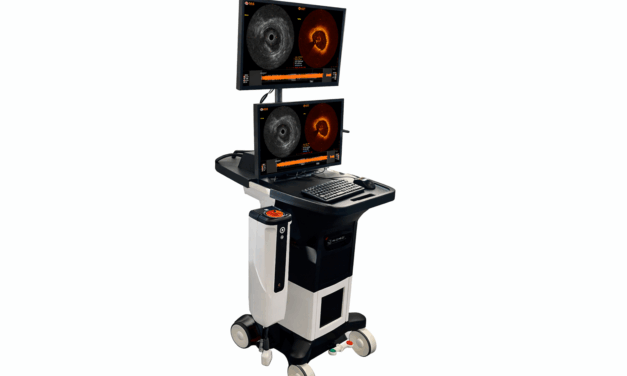
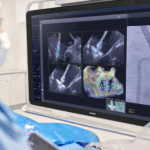
The platform combines ultrasound and optical imaging to provide detailed views of coronary anatomy in a single workflow.
Read More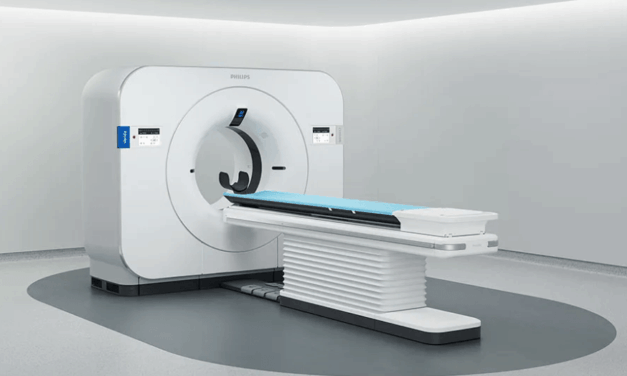
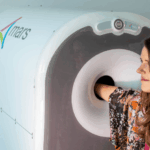
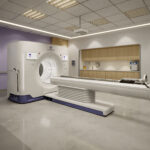
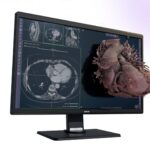
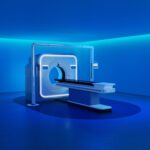
The system uses artificial intelligence for image reconstruction to improve diagnostic precision and workflow efficiency in radiology, cardiology, and oncology.
Read More
The system is designed to improve workflow efficiency and safety during minimally invasive left-heart procedures.
Read More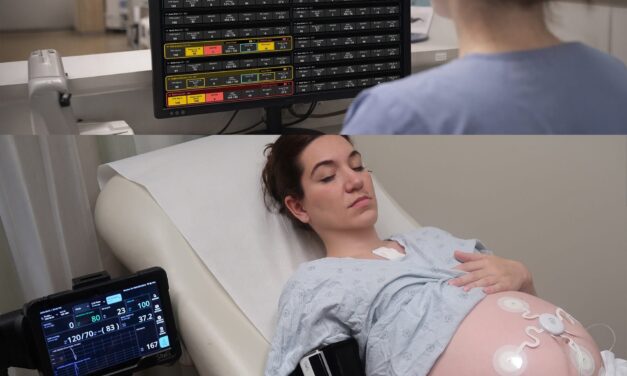
The wearable sensor system provides continuous, simultaneous monitoring of maternal and fetal vital signs to improve clinical evaluation.
Read More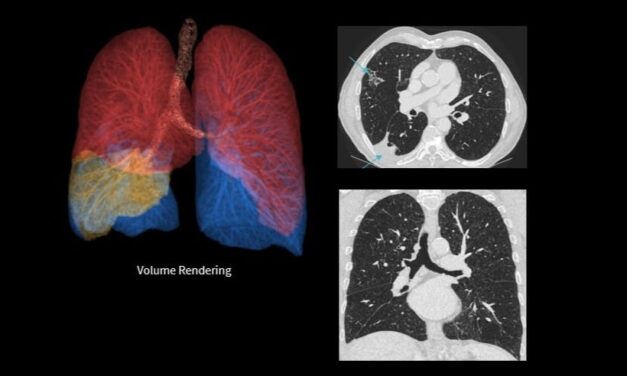
The software is designed to enhance spatial resolution and suppress artifacts in pulmonary, musculoskeletal, and inner ear scans.
Read More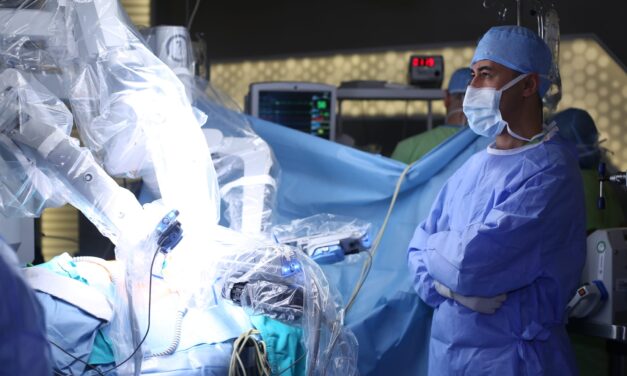
Clearances expand options for hospitals seeking lower-cost alternatives to OEM robotic surgical instruments.
Read More
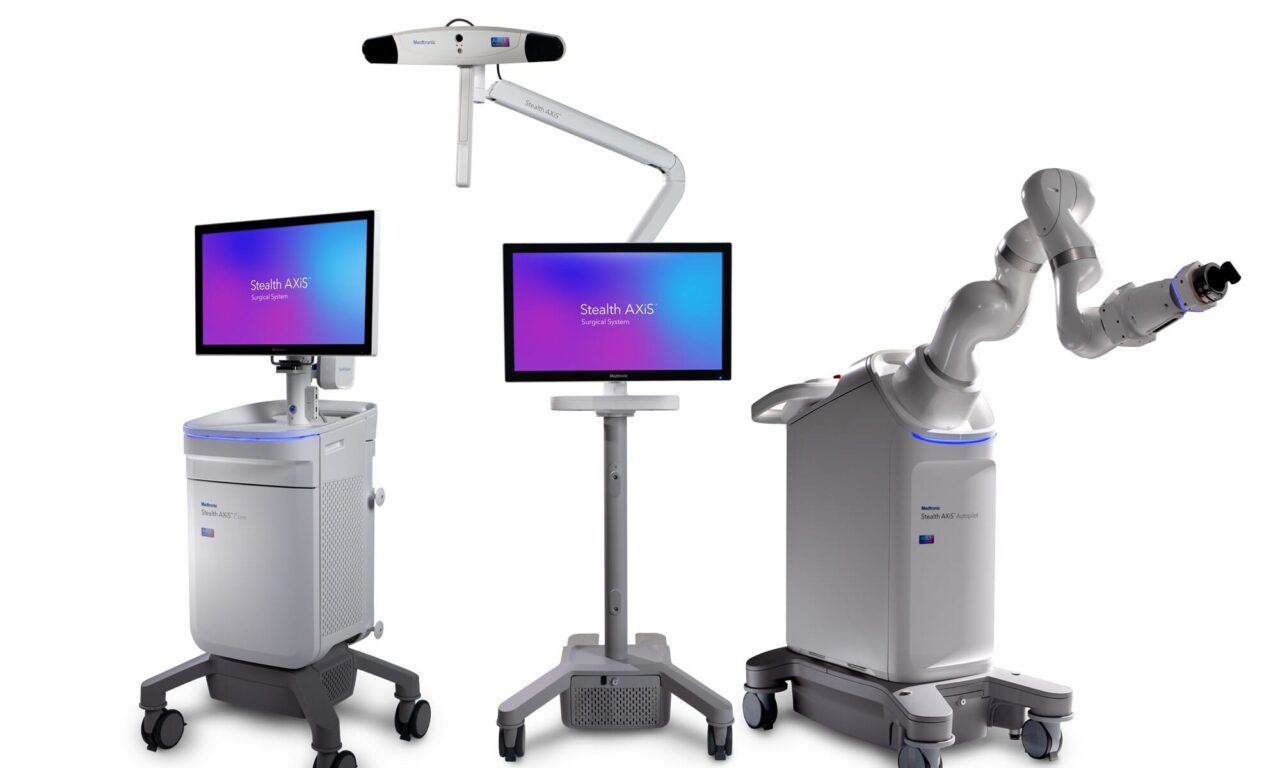
The platform combines planning, navigation, and robotics, with AI-enabled features for imaging and workflow support.