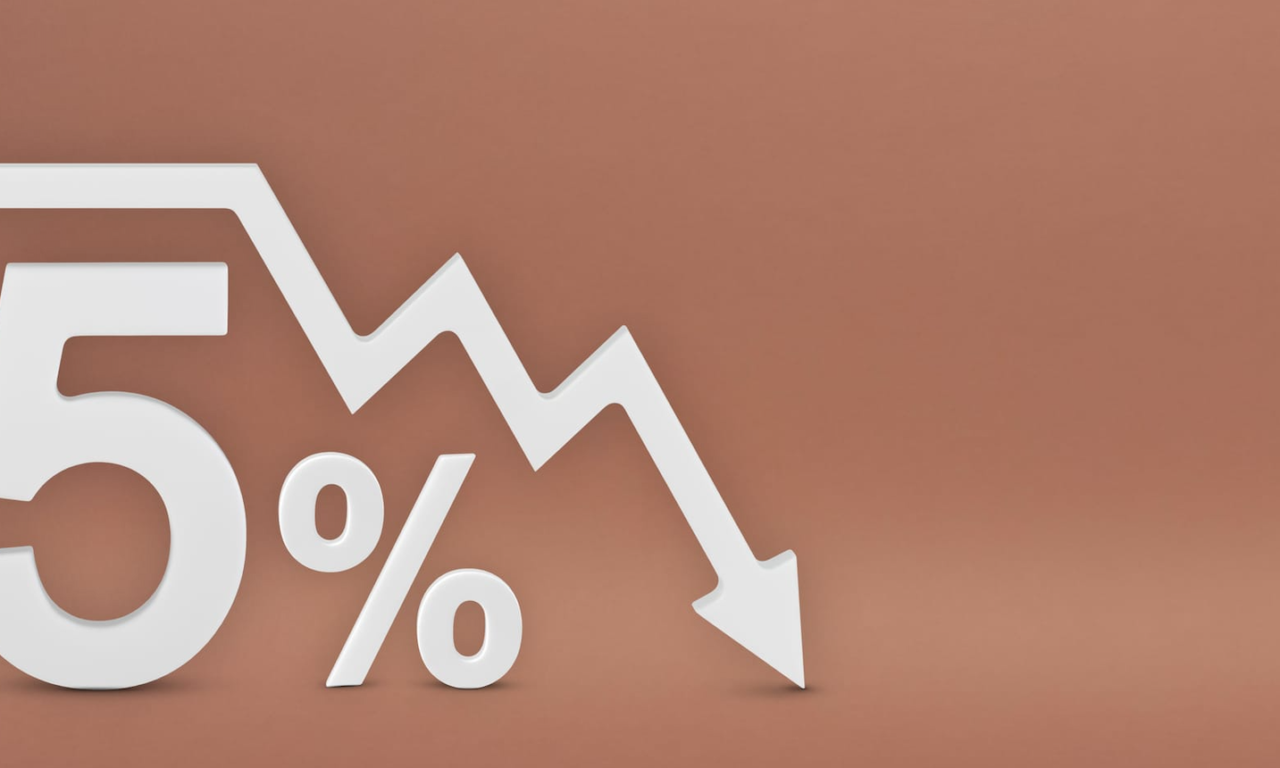
Medical Device Recall Events Drop 5% as Affected Units Surge 517%
The number of medical devices affected by recalls reached a five-year high in the first half of 2026, according to Sedgwick’s latest Recall Index.
The number of medical devices affected by recalls reached a five-year high in the first half of 2026, according to Sedgwick’s latest Recall Index.
The action addresses a discrepancy between the device's labeled and actual performance at high flow rates, which could pose a risk of patient hypothermia.


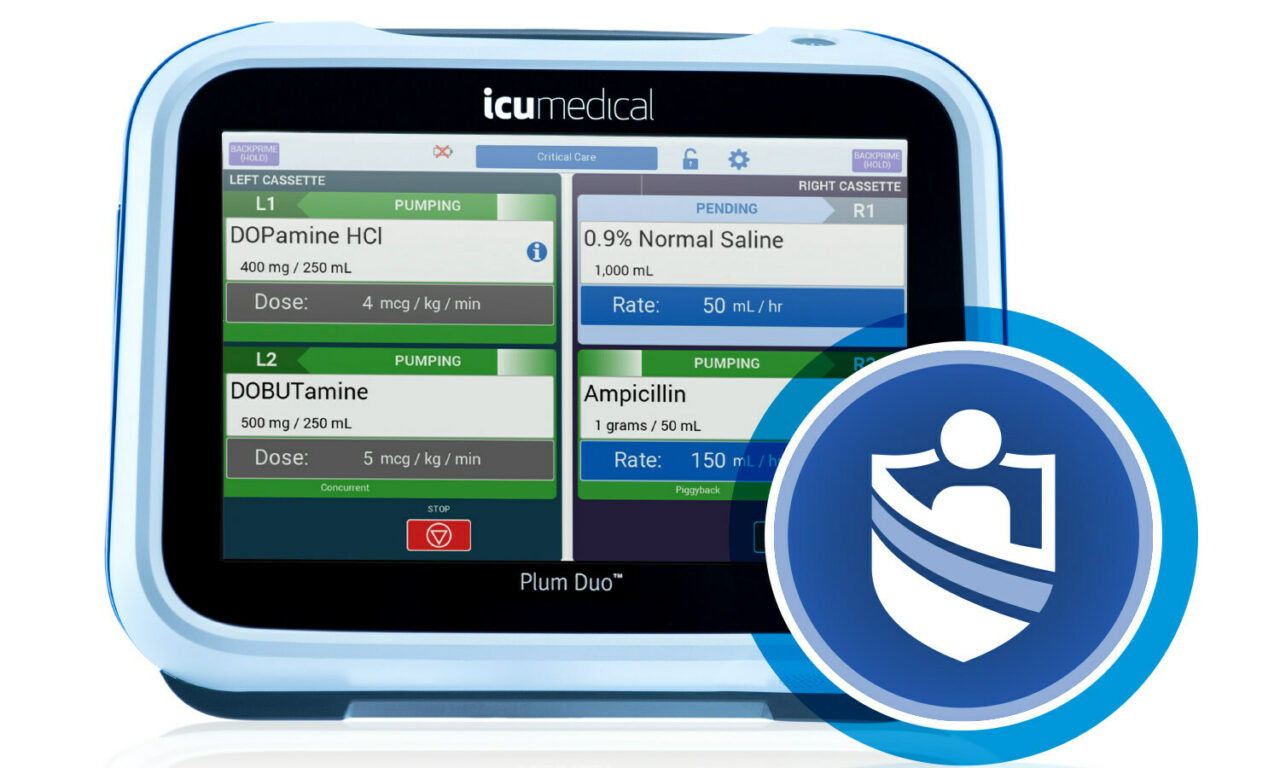
A software flaw that may cause the Plum Duo Infusion System to become unresponsive has prompted a device correction, which the FDA has identified as its most serious recall type.



The number of medical devices affected by recalls reached a five-year high in the first half of 2026, according to Sedgwick’s latest Recall Index.

Olympus is recalling certain bronchofiberscopes and bronchovideoscopes because they may lead to burns or catch fire.
Read More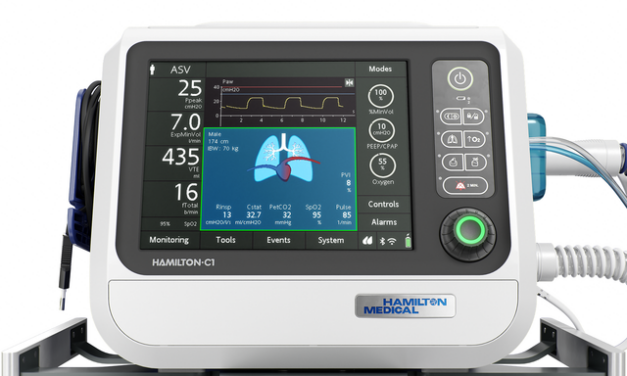
Hamilton Medical Inc. has issued a Class I recall, the most serious category, for Hamilton-C1, C2, C3, and T1 ventilators due to a critical software glitch that can abruptly halt operation after 91 days without restarting.
Read More
Certain Draeger ventilators reportedly stopped ventilation because of a depleted battery, even after being re-connected to AC power.
Read More
The FDA has labeled the recall of two types of Megadyne electrodes manufactured by Johnson & Johnson’s Ethicon as a class I, the most serious.
Read More
These infusion system replacement batteries were recalled because a defect has diminished how long they can be used to run the system, which may cause the system to shut down an ongoing infusion.
Read More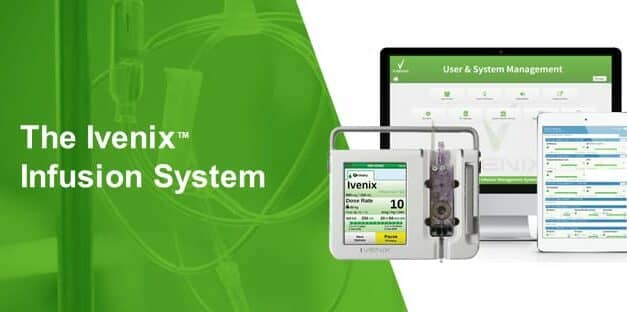
Fresenius Kabi has issued a voluntary recall of the Ivenix Infusion System due to a leak in the system that allows fluid to enter the administration set loading area near the air detector.
Read More

The FDA has identified Avanos Medical’s recall of certain airway access devices for children, infants, and neonates as a Class I recall