Stanford Medicine Children’s Health Expands Pediatric Robotic Surgery Program
The expansion brings minimally invasive technology to more specialties and younger patients at Lucile Packard Children’s Hospital Stanford.


The expansion brings minimally invasive technology to more specialties and younger patients at Lucile Packard Children’s Hospital Stanford.

Royal Philips and Nicklaus Children’s Health System began a 10-year collaboration on pediatric care with new MR and ultrasound technology.


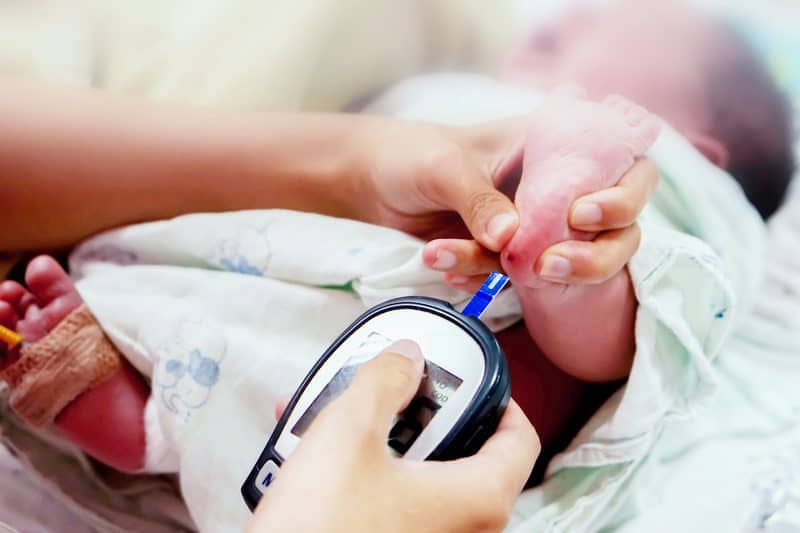
The National Capital Consortium for Pediatric Device Innovation announces five awardees chosen in its “Make Your Medical Device Pitch for Kids!” competition. Each received a share of $150,000 in grant funding from the U.S. FDA, with awards ranging from $20,000 to $50,000 to support the advancement of pediatric medical devices.




The expansion brings minimally invasive technology to more specialties and younger patients at Lucile Packard Children’s Hospital Stanford.

The FDA has cleared Masimo SedLine brain function monitoring for pediatric patients under the age of 18 and its SedLine Pediatric EEG Sensor.
Read More
These ablation catheters were approved to treat the growing prevalence of pediatric Atrioventricular Nodal Reentrant Tachycardia (AVNRT).
Read More
The FDA says the feeding set tubing can become wrapped around a child’s neck and cause strangulation or death.
Read More
Clinicians of a large-field trial of pediatric pneumonia cases in India were able to provide correct referrals of 77.6% of cases of severe pneumonia.
Read More
Five finalists have been named in the annual “Make Your Medical Device Pitch for Kids!” competition presented by the National Capital Consortium for Pediatric Device Innovation.
Read More
Medtronic plc announces the U.S. commercial launch of the SonarMed pediatric airway monitoring system, which utilizes acoustic technology to check for endotracheal tube obstruction and verify position in real-time.
Read More

A medical device that has been shown to manage pain among babies born preterm can also help keep their brain oxygen levels steady during medical procedures, finds new analysis by researchers at the University of British Columbia.


