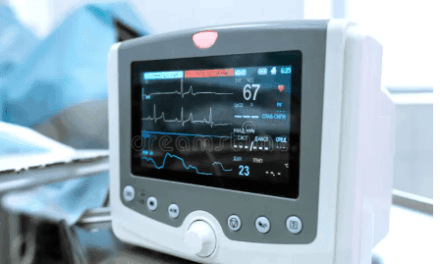
Nova Biomedical Pulls StatStrip Gen 2.0 Glucose Meters Over Patient ID Errors
A software issue can cause glucose results to be assigned to the wrong patient's medical record. One serious injury has been reported, and a fix is expected in November.


A software issue can cause glucose results to be assigned to the wrong patient's medical record. One serious injury has been reported, and a fix is expected in November.

The organization’s president and CEO will retire at the end of 2026, with its current chief operating officer appointed to take over the role in January.

The agency also clarified its description of the Portrait Core Services software issue, which can result in patients being removed from monitoring or alarm settings resetting during software updates.
Read More
Black Book Research identifies major security gaps as healthcare facilities deploy autonomous tools and models without proper safeguards.
Read More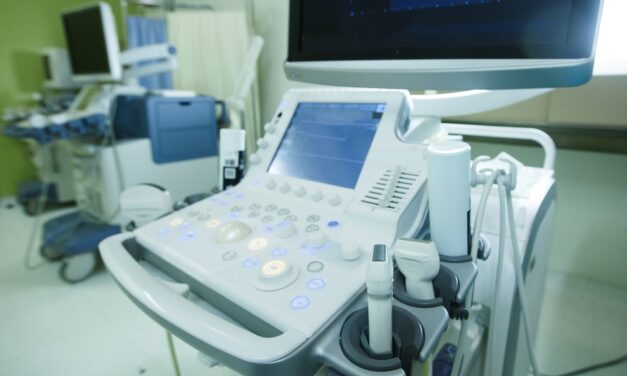
An analysis finds nine in 10 cleared ultrasound system designs predate the US cyber-device statute—and all four CISA advisories naming ultrasound lines had incomplete patch coverage.
Read More
Cybersecurity considerations are coming earlier in medical device purchasing as HTM teams look more closely at vendor support, contract terms, and long-term security risks.
Read More
Boston Scientific reports no new unauthorized activity since Aug 25, while new cardiac device remote monitoring activations remain disrupted.
Read More
A new work group is developing playbooks, expected by the end of the year, to help health systems respond to emerging AI cyber threats.
Read More
The agency warns of potential high-risk issues with Bravo CF delivery systems following reports of 184 serious injuries.
Read More
Abiomed is replacing components in Automated Impella Controllers following reports of injuries and deaths linked to purge cassette recognition issues.
Read More
The company reports disruptions to business applications and its ability to process and ship customer orders.
Read More
AI is helping attackers find and exploit weak spots faster. It’s also giving HTM and security teams new ways to strengthen their defenses.
Read More
Since launching in March, the RISC 2.0 cybersecurity module has helped hundreds of facilities benchmark their defenses—and revealed where healthcare still falls short.
Read More
The system uses clinical-grade wearables and algorithms to provide objective data on tremors, sleep, and medication compliance.
Read More