How Military Veterans Strengthen the HTM Workforce
Military veterans have much to offer the HTM industry, including those without biomedical equipment experience, and could help address growing workforce needs.


Military veterans have much to offer the HTM industry, including those without biomedical equipment experience, and could help address growing workforce needs.

While compensation climbs for senior HTM leaders, technicians report stagnant pay and the lowest levels of job satisfaction.
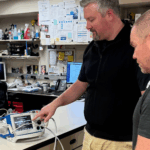


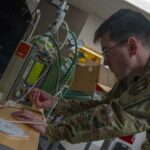



To attract the next generation of BMETs amid a talent shortage, health systems must adopt cutting-edge technology, according to one industry expert.







The HTM profession is facing a crisis at a time when healthcare organizations need these professionals more than ever. The problem? As the majority of biomeds near retirement age, there are not enough millennials to fill their shoes. Here, Dräger’s Rob Cermak shares how to identify and develop the next generation of HTM professionals.

With U.S. News & World Report recently citing the healthcare technology management (HTM) field—namely the “medical equipment repairer” job title—as one of the best jobs of 2023, the biomed sector seems hotter than ever. Right? It’s complicated, according to the respondents of 24x7’s 2022 compensation and job satisfaction survey.

With today’s graying biomed population retiring at a steady pace and fewer younger people entering the field, HTM managers need to heed this alarm and what it means for the future of the profession. Here’s how succession planning comes in.

Situated in Silicon Valley, Fremont, Calif.-based Washington Hospital Healthcare System is known for its commitment to patient care. And a key part of fulfilling this commitment is due to the hospital’s biomedical engineering program, led by Paul Kelley, CBET, AAMIF.