
Military veterans have much to offer the HTM industry, including those without biomedical equipment experience, and could help address growing workforce needs.
By Doug Watson, general manager, clinical engineering, Trimedx
Veterans bring a unique combination of skills that translate especially well to healthcare technology management (HTM). Beyond technical expertise, military experience instills a high level of discipline, adaptability, and mission focus. I’ve seen it throughout my own career, first as a biomedical equipment technician (BMET) in the military and now as a leader at Trimedx, where veterans make up nearly 20% of the workforce.
I spent six and a half years in the Army, including more than three years in Germany, working on a wide range of medical equipment. I eventually specialized in anesthesia equipment and traveled to Army bases throughout Germany performing preventative maintenance. That experience gave me an early understanding of how much people depend on BMETs to keep critical equipment working. The technical clinical engineering experience was invaluable—but so were the other skills and habits I gained during my service.
In the military, you quickly learn that details matter. The military trains you to follow processes carefully, adapt when circumstances change, and solve problems quickly. Those skills are vital in clinical engineering.
As medical technology becomes more complex, the HTM industry needs skilled professionals to manage and maintain it. I believe veterans represent an important talent pool—including service members whose military specialties may not seem like an obvious match at first.
Military Skills Translate Naturally to Clinical Engineering
Military biomedical equipment training prepares technicians exceptionally well for civilian HTM careers. I experienced it firsthand when I transitioned from the Army to a hospital system in Texas. From a technical standpoint, the move into civilian healthcare was nearly seamless because I learned so much in the military.
However, veterans don’t need an HTM background to bring valuable experience to the industry. When I think about recruiting veterans into our field, I think about airplane mechanics, radar technicians, and people in other mechanical and technical military roles. They already have many of the fundamentals they need to succeed in clinical engineering.
Veterans often have years of experience thinking technically, following processes, and working through complicated problems. We can teach them about specific medical devices and how to operate in a healthcare environment.
Troubleshooting is a great example. In the Army, I learned to dig into a problem and figure it out. There wasn’t always someone else available to provide the answer. I had to troubleshoot deeply, sometimes down to the component level, until I solved the issue—understanding there could be serious consequences for other service members if equipment wasn’t working properly.
This mindset has served me well throughout my career. Ensuring medical equipment is ready when clinicians need it requires someone who can stay focused, work through the problem, and understand how their job supports the larger mission of patient care.
Creating Stronger Pathways into HTM
When I left the Army, few clear pathways connected military experience to civilian careers. I was fortunate to have training and experience that could translate directly into a hospital role.
Today, more opportunities make the transition easier for veterans—and we should continue developing new pathways for them to find meaningful civilian careers in HTM. Apprenticeships and programs like SkillBridge can help create those connections. These programs introduce service members to HTM, give them exposure to the civilian healthcare environment, and help employers recognize how military skills apply to clinical engineering.
More than 8,000 job openings for BMETs are projected each year in the United States. If our industry only looks for people with BMET experience, we will overlook talented people with adjacent technical skills. At a time when nearly two dozen BMET programs have closed since 2020, we can’t afford to make that mistake.
I want veterans to know we’re interested in what they can bring to HTM. I’d like them to see the real opportunity our industry offers.
Continuing to Serve a Larger Mission
For many of us who have served, having a sense of purpose matters. HTM has given me the chance to carry that forward throughout my career. While the setting and responsibilities are different, the work still has an important mission behind it. We’re helping ensure clinicians have safe, reliable medical equipment for patient care.
Our industry needs the skills, experience, and perspective veterans bring. Their strengths can continue making a meaningful difference in this field.
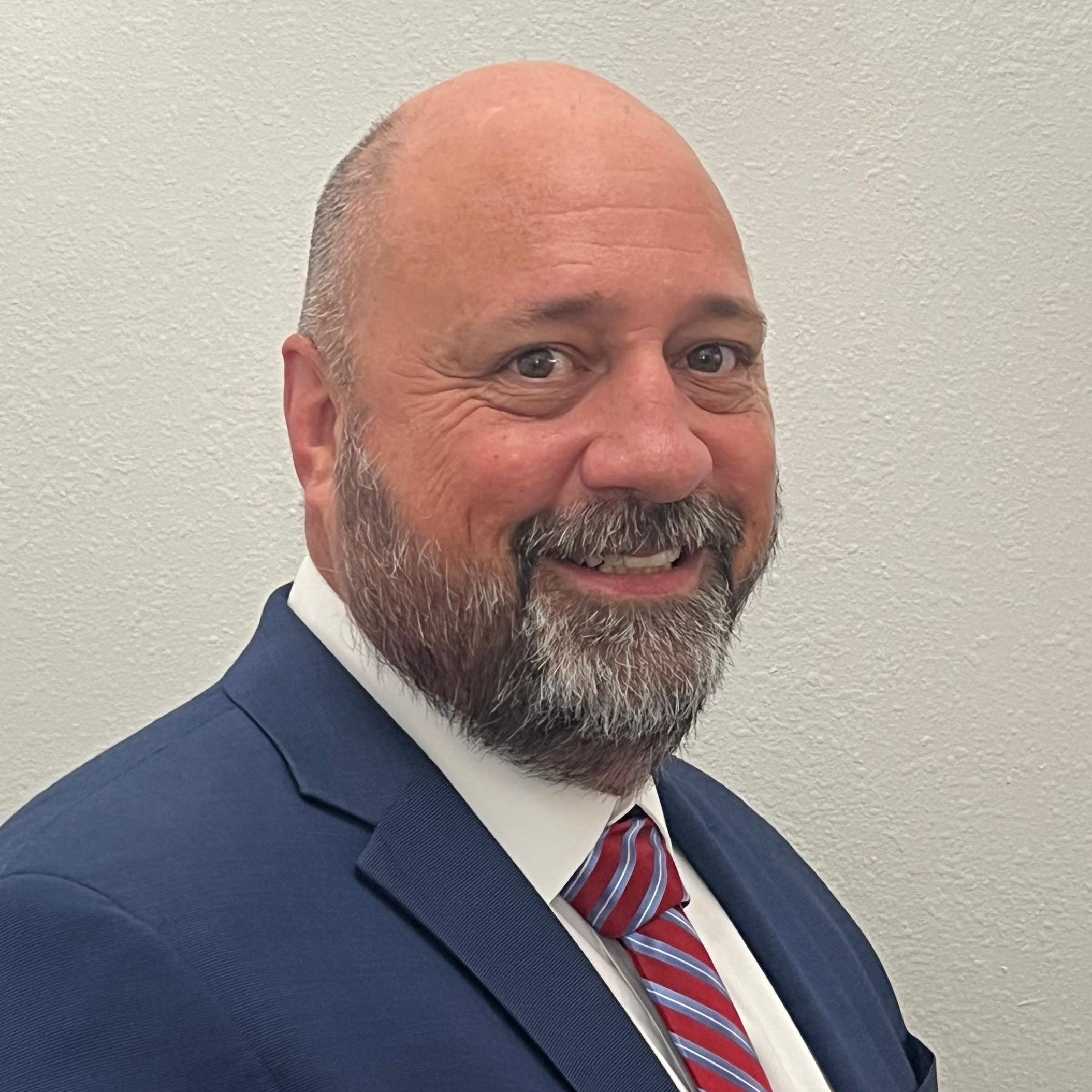
About the author: Doug Watson is a general manager of clinical engineering at Trimedx. He has more than three decades of experience in healthcare technology management. He served in the US Army for more than six years.
ID 158843626 © Bumbleedee | Dreamstime.com