The health system is expanding its wearable monitoring program beyond its own hospitals for the first time, with a Texas-based clinical team supporting care in Kansas.
Houston Methodist is extending its advanced inpatient monitoring care beyond its own hospitals for the first time, bringing remote monitoring and clinical support to rural Kansas hospitals. The health system says the move is intended to expand access to care in underserved communities.
The expansion follows the health system’s rollout of remote patient monitoring across its entire system.
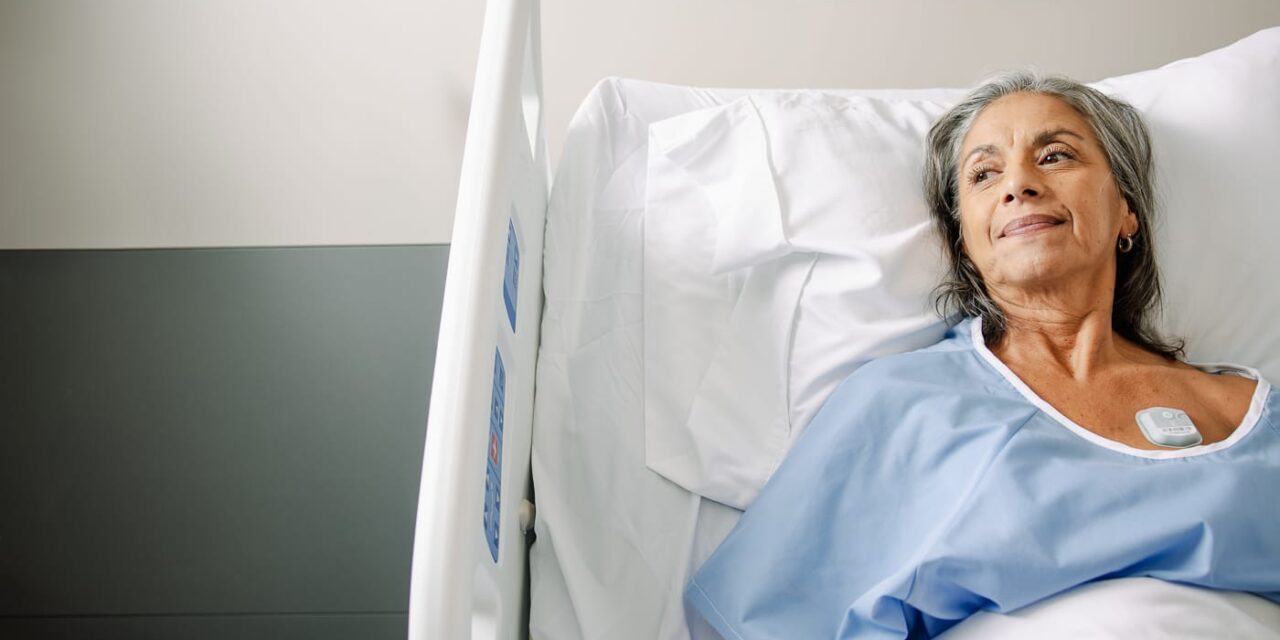
Patients at participating Kansas hospitals will wear the US Food and Drug Administration-cleared BioButton, developed by BioIntelliSense, which continuously monitors vital signs. A dedicated remote patient monitoring team in Texas reviews the data and works with nurses at the bedside in Kansas. The team will identify concerning changes and pass actionable insights to local nurses and clinicians. This is intended to support earlier recognition of potential clinical deterioration and timely intervention.
Houston Methodist has dedicated staff to the Kansas initiative so the program can grow without affecting monitoring resources for patients in Houston, according to a release from the health system. At Houston Methodist, the devices are used at all eight acute-care hospitals across more than 2,500 inpatient beds. They provide continuous monitoring between traditional vital sign checks.
“Innovation is most meaningful when we identify patient needs, take what works or doesn’t work and find new ways to extend the positive impact,” says Sara Loewy, vice president of virtual care at Houston Methodist, in a release. “What we’ve built in Houston has the potential to reach much further. By thoughtfully extending this model into new care settings, our goal with this program is to demonstrate how our system’s existing technology and clinical expertise can strengthen access and improve outcomes in rural communities.”
The health system points to its own research to support the approach. In a 2025 study published in the Journal of Clinical Medicine, Houston Methodist researchers found that continuous remote patient monitoring, combined with enhanced rapid-response workflows, was associated with earlier recognition of clinical deterioration. The researchers also found significantly lower severity of illness among medical-surgical patients who needed transfer to intensive care. The study also observed a trend toward lower in-hospital mortality.
Sharing Expertise Across Geographies
Loewy says rural hospitals are essential to keeping care close to home. She says remote monitoring gives larger health systems a way to share expertise and infrastructure across geographic boundaries.
“For patients, that means the potential to benefit from additional clinical resources without having to leave their community for care,” says Loewy in a release.
As the program expands to additional facilities, the pilot will help refine the care model and assess how it can bring similar support to other rural communities, Loewy says.
“This is an opportunity to explore how the capabilities of a major health system can be shared across geographic boundaries, helping strengthen local healthcare and bringing higher quality of care closer to patients regardless of where they live,” she says in the release.
Photo caption: A patient wears the FDA-cleared BioButton.
Photo credit: BioIntelliSense, creator of BioButton