
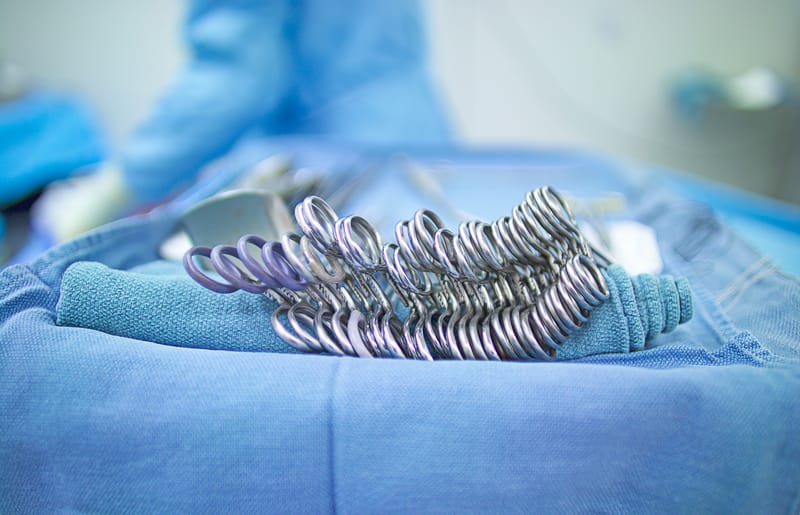
New research shows record adoption of reprocessed single-use devices across more than 11,000 healthcare facilities.
Hospitals and surgical centers saved a record $495 million in 2025 by utilizing reprocessed medical devices originally labeled for single use, according to a member survey from the Association of Medical Device Reprocessors (AMDR).
The 2025 survey results show that 11,458 hospitals and surgical centers in 18 countries used reprocessed devices to lower costs and reduce environmental impact. These health systems saved an estimated $495,520,878 through reduced purchasing costs and the elimination of waste disposal fees, according to the AMDR. Reprocessed single-use devices (SUDs) typically cost 30% to 50% less than new versions.
By opting for reprocessed SUDs instead of new materials, participating health systems and their partners reduced CO2 emissions by 125,018,466 pounds. The AMDR equates this reduction to eliminating the use of more than 6.3 million gallons of gasoline.
Market Growth and Supply Chain Resilience
The number of reprocessed devices sold grew by 8.26% in 2025 and has increased by 23.67% over the last five years. According to the survey, AMDR member reprocessors sold 39,387,336 reprocessed SUDs back to healthcare facilities last year.
Industry leaders suggest that reprocessing strengthens the supply chain by maintaining products within a domestic circular system. Examples of regulated reprocessed SUDs include pulse oximeters, lateral transfer mats, harmonic scalpels, and EP catheters and cables.
“By working in partnership with their hospital customers, AMDR members play a vital role in building a more resilient supply chain by keeping these devices in a circular system instead of throwing away perfectly good medical devices,” says Daniel J Vukelich, president and CEO, Association of Medical Device Reprocessors, in a release. “When hospitals use more reprocessed devices, patients, health systems, and ultimately all of us win because of reduce cost, waste, and greenhouse gas emissions.”
Adoption Across Institutions
The survey highlights that 60 US military institutions, including those that provide care for the president, utilize regulated, reprocessed SUDs. In contrast, the AMDR reports that the US Veterans Health Administration does not use these FDA-regulated products. The association estimates this practice results in the waste of approximately $167 million in taxpayer dollars annually.
To help facilities track environmental impact, the AMDR provides a greenhouse gas emissions calculator. The tool uses peer-reviewed data from life cycle assessments to compare the environmental footprint of reprocessed SUDs against devices made from virgin materials. Studies indicate that products labeled for single use are among the primary sources of emissions within health systems, according to the AMDR.
ID 178974 | Healthcare © Carolina K. Smith M.d. | Dreamstime.com