How Predictive Maintenance Is Helping HTM Get Ahead of Equipment Failures
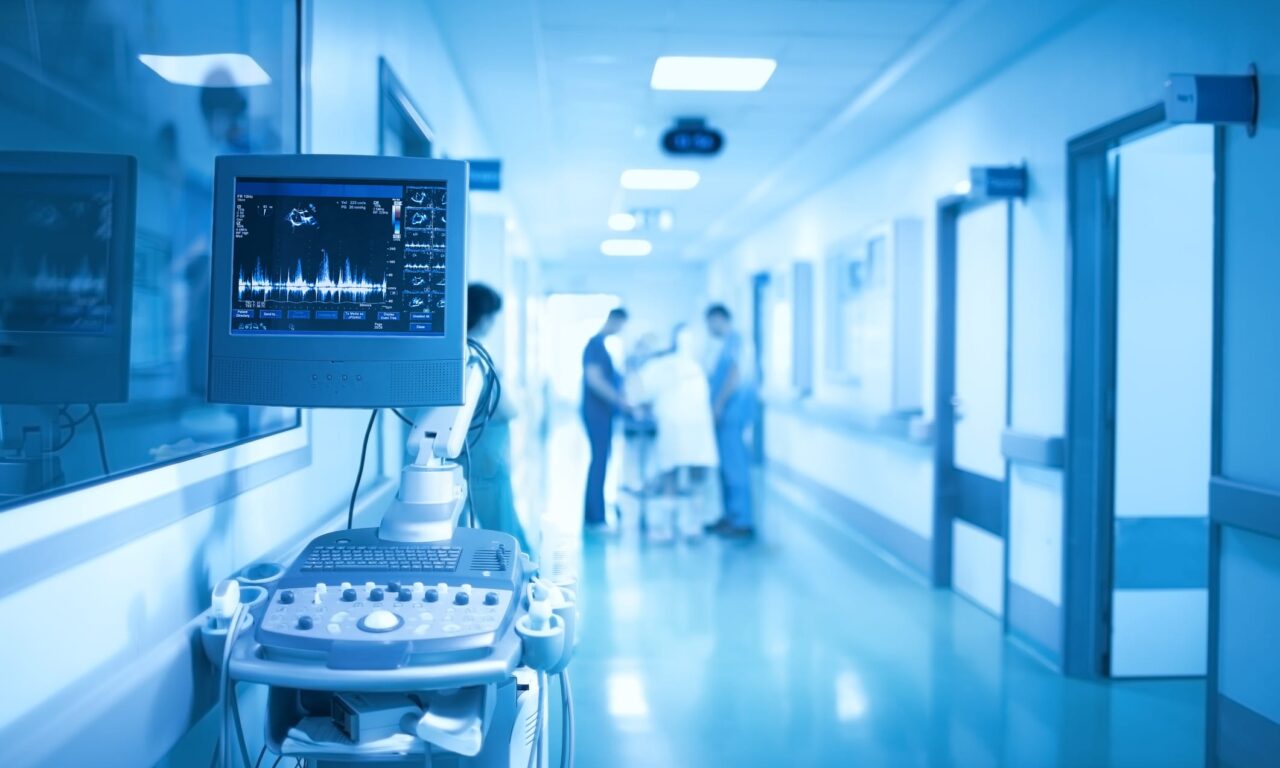
Early warnings are allowing HTM teams to prevent unexpected downtime and plan repairs before equipment fails.

Early warnings are allowing HTM teams to prevent unexpected downtime and plan repairs before equipment fails.
A study of 288 critical care incidents found barcode scanning technology and nurse intervention frequently stopped potential patient harm before it occurred.





ECRI’s 2025 report names AI-enabled health technologies as the top healthcare hazard, citing risks like bias, false results, and safety concerns, while urging careful integration alongside other critical challenges such as home care support gaps, cybersecurity threats, and medical device safety.



Mountain View, Calif.-based Zingbox has released the findings of its second annual Healthcare Security Survey. The survey revealed a contradiction between the confidence that healthcare professionals have in the visibility of connected medical devices and security of their networks, and the inefficient legacy processes many still rely on to keep them secure.

The Medical Imaging & Technology Alliance (MITA) has announced the publication of NEMA/MITA 2—Requirements for Servicing of Medical Imaging Equipment, a voluntary standard outlining MITA’s minimum quality management system requirements for medical imaging device servicing.
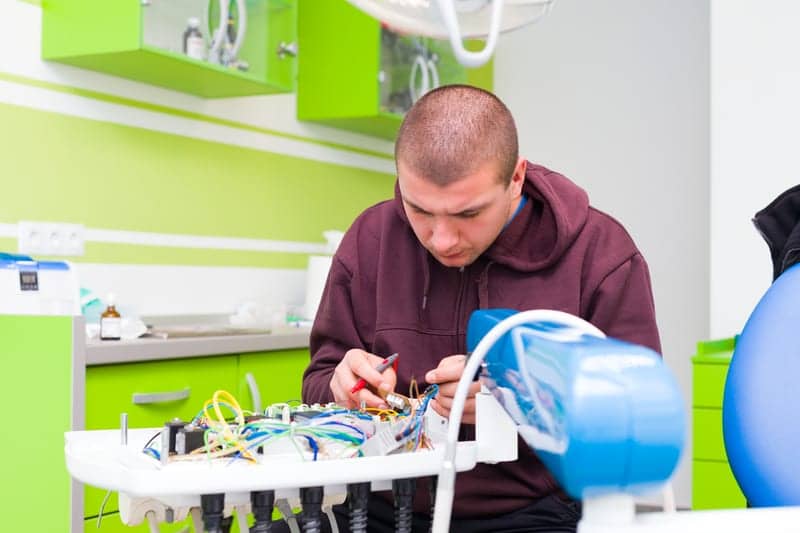
The remote and predictive maintenance of medical devices is becoming more prominent due to the growing digitalization and device connectivity, market researchers say.

Challenges transitioning new clinicians from academic training to professional practice tops ECRI’s 2024 list of 10 patient safety concerns.