The key is knowing when rentals solve a short-term need—and when they become a long-term expense.
By Alyx Arnett
Healthcare organizations have several ways to meet equipment needs. They can buy devices, rent them, or move underused assets from one facility to another. According to Amy Knue, vice president of mobile clinical asset management solutions for TRIMEDX, the right answer depends on many factors.
“Leaders should make these decisions based on a combination of utilization, cost, and availability across the system,” she says.
For healthcare technology management (HTM) professionals, that means understanding when a rental solves a short-term problem—and when it signals a longer-term equipment need.
Where Rentals Fit Best
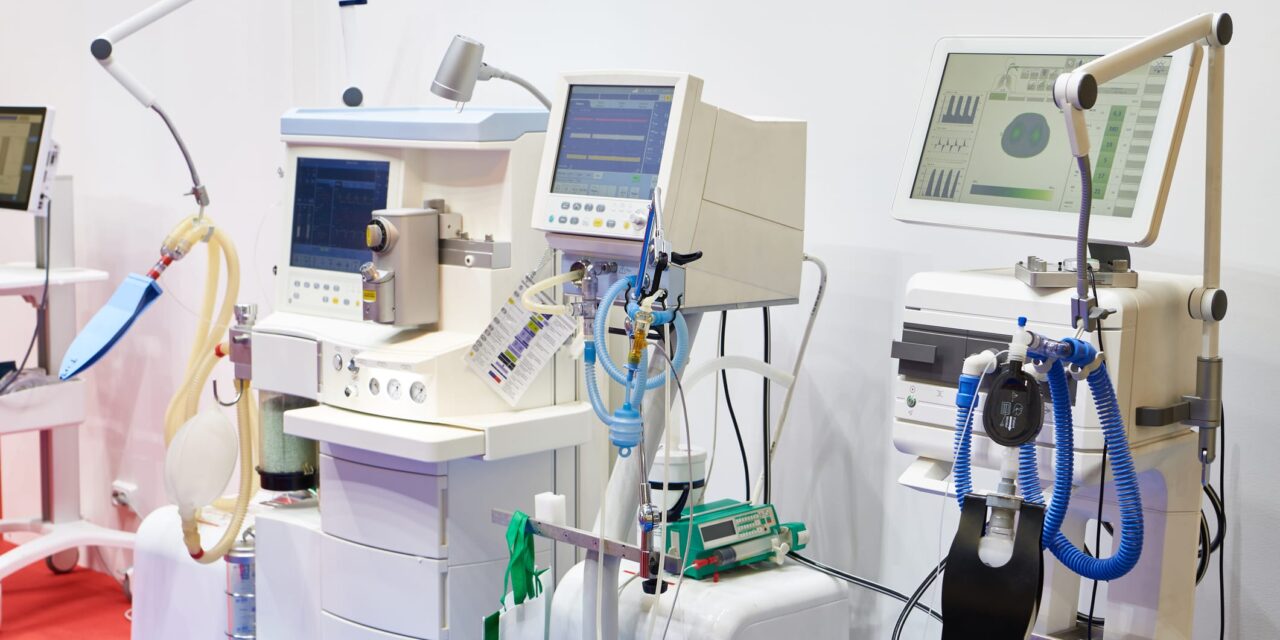
Knue says renting can be an appropriate way to respond to temporary increases in demand, including surges during flu season and short-term capacity gaps. “For example, a hospital may rent ventilators or infusion pumps during flu season when patient volume exceeds normal capacity,” she says.
Rentals also can make sense for expensive, specialized equipment that is used infrequently, such as bariatric beds, or when temporary downtime of critical equipment could disrupt care and revenue, she says.
“Renting can allow them to quickly scale access to devices…without overinvesting in assets that won’t be needed long term,” Knue says.
Rentals also can help hospitals maintain operations when critical equipment unexpectedly becomes unavailable. Knue points to one hospital that relied on a portable X-ray machine to support a high volume of patients. When the machine went out of service, the hospital rented a replacement and continued seeing patients on schedule.
“In this case, even though the rental cost was high, it was justified because the equipment enabled the hospital to avoid disrupting patient care and keep generating revenue,” she says.
When Renting Becomes Too Expensive
Knue cautions that the same flexibility that makes rentals useful can also make them expensive if they are not tracked closely. A common problem, she says, is when equipment rented to address a temporary need ends up being used long term.
“Rentals may fill gaps during expansions or equipment shortages, but without clear oversight, these temporary solutions can become long-term and cost far more than ownership,” she says.
Knue points to one case involving a small feeding pump that was rented for eight years at $50 per month. According to Knue, the organization ultimately paid more than 10 times the cost of purchasing the pump outright.
In another case, inventory validation at one organization uncovered bassinets that had been rented for six years. “Because the equipment had been in the facility for so long, staff assumed it was owned—in reality, the organization had been paying monthly rental fees the entire time,” she says.
When Purchasing Makes Sense
Purchasing makes more sense when the equipment will be consistently in use and heavily relied on, Knue says, and when ongoing rental costs would quickly exceed the purchase price.
Repeated rentals of the same device, consistently high utilization, and rising rental costs can all signal that ownership may be the more cost-effective option.
When evaluating whether purchasing makes sense, Knue says organizations should consider not only acquisition costs but also maintenance requirements, downtime, vendor contracts, and whether existing equipment is being fully utilized.
“Making the right decision requires comprehensive data…so organizations can confidently determine when ownership will deliver greater long-term value than continued renting,” she says.
The HTM Role in Equipment Decisions
In some cases, hospitals may not need to rent or purchase additional equipment at all.
“If there are underutilized assets at one location that would be used more frequently at another, redistributing equipment can reduce or eliminate the need for additional rentals,” she says.
Knue says HTM professionals are often in the best position to identify those opportunities. Using data such as equipment location, repair status, rental activity, and utilization patterns, HTM teams can determine whether equipment already exists within the system before additional devices are rented or purchased.
“With RTLS tools that track equipment location, status, and availability, HTM teams can often identify assets that are already on-site or nearing completion of repair and redeploy them, rather than incurring new rental costs,” Knue says.
She adds that HTM teams also can help manage rental costs by tracking and tagging rental equipment, monitoring return dates, and working with clinical teams to end rentals that are no longer needed.
What HTM Should Watch Next
Looking ahead, Knue says healthcare organizations may face a more consolidated rental market, with fewer vendors and greater reliance on large suppliers. She says that makes vendor management, contract review, and awareness of total rental spend more important.
She also expects stronger rental tracking and real-time device visibility to influence how hospitals use rentals. According to Knue, organizations that have a clearer understanding of equipment demand, utilization, and rental activity can make more informed decisions about when to rent, buy, or redeploy equipment.
“The most effective approach is to gain a deep understanding of the equipment fleet, patient load, and device utilization and use that data to inform rental strategies,” Knue says.
ID 165798170 | Artificial © Ryzhov Sergey | Dreamstime.com
Alyx Arnett is chief editor of 24×7 Magazine. Questions or comments? Email [email protected].