The Knowledge Walking Out of HTM’s Door
Experienced technicians take decades of troubleshooting knowledge with them when they retire. Here's how HTM departments can start capturing it.


Experienced technicians take decades of troubleshooting knowledge with them when they retire. Here's how HTM departments can start capturing it.
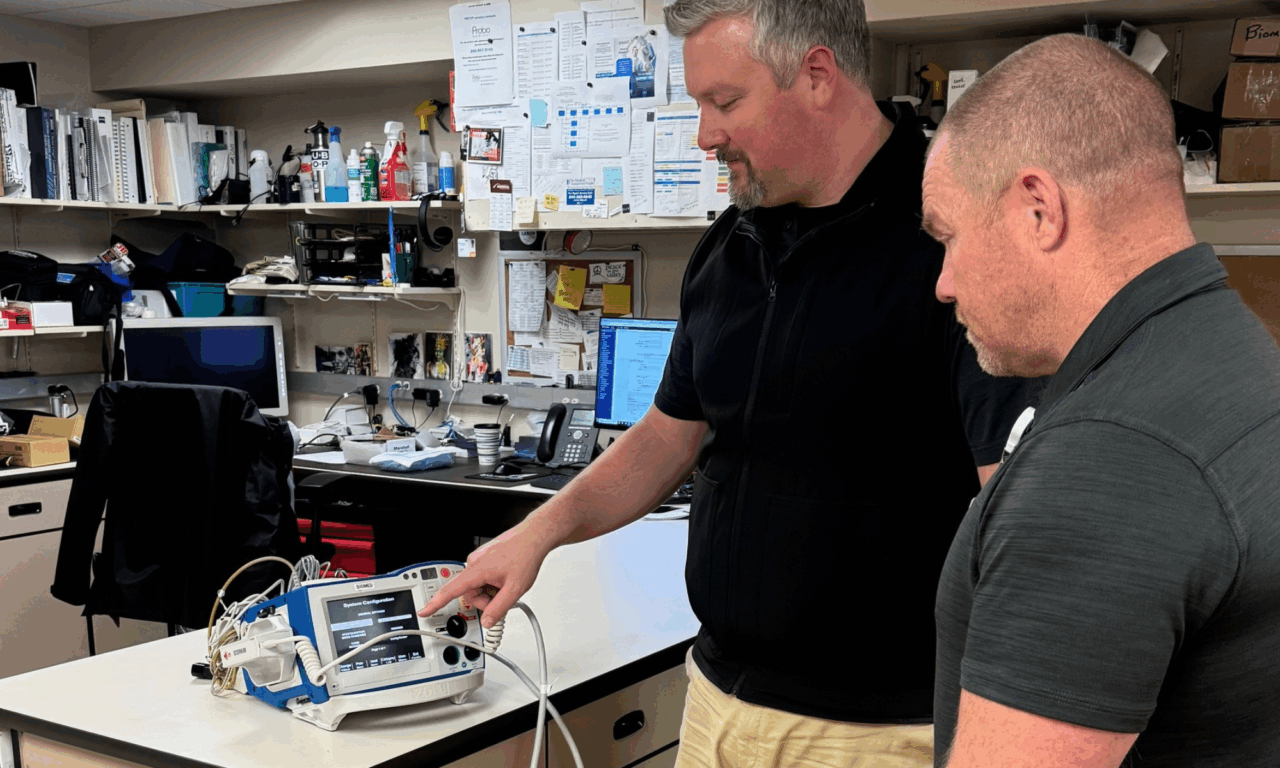
A custom-built training program tackles the technician shortage with a blend of virtual learning and on-the-job training.







In a year defined by turbulence, including the culmination of the COVID-19 national emergency, the rise of AI technologies, and global economic uncertainty, 2023 also saw salary fluctuations in the healthcare technology management field. Here is what 24x7 found.







The HTM profession is facing a crisis at a time when healthcare organizations need these professionals more than ever. The problem? As the majority of biomeds near retirement age, there are not enough millennials to fill their shoes. Here, Dräger’s Rob Cermak shares how to identify and develop the next generation of HTM professionals.

With U.S. News & World Report recently citing the healthcare technology management (HTM) field—namely the “medical equipment repairer” job title—as one of the best jobs of 2023, the biomed sector seems hotter than ever. Right? It’s complicated, according to the respondents of 24x7’s 2022 compensation and job satisfaction survey.

With today’s graying biomed population retiring at a steady pace and fewer younger people entering the field, HTM managers need to heed this alarm and what it means for the future of the profession. Here’s how succession planning comes in.

Situated in Silicon Valley, Fremont, Calif.-based Washington Hospital Healthcare System is known for its commitment to patient care. And a key part of fulfilling this commitment is due to the hospital’s biomedical engineering program, led by Paul Kelley, CBET, AAMIF.