How an HTM team supported dual-site operations, prepared thousands of medical devices, and helped relocate more than 200 patients in 13 hours.
By, Sean Pardo, MSHA
Planning and executing a hospital relocation is a monumental undertaking under the best of circumstances. Add in a global pandemic, a large-scale construction project, and the complexities of a high-acuity clinical environment, and the challenge becomes incomparable.
At Valleywise Health in Phoenix, the healthcare technology management (HTM) team embarked on the journey to transition operations and equipment from an aging facility to a cutting-edge, state-of-the-art hospital that opened in June 2024.
We broke ground on the new medical center in February 2020, right as COVID-19 began reshaping the healthcare landscape. Fortunately, planning efforts had begun years earlier, and by the time construction started, we were already well into the process, with a clear vision and an end date in sight.
Keeping Two Hospitals Running at Once
The challenges were obvious from the beginning: making sure we had everything we needed in the new facility set up and ready to go while simultaneously operating the legacy facility.
For a significant period, we had to maintain two fully functional hospitals. This meant supporting duplicate systems, including patient monitoring infrastructure, network interfaces, servers, central stations, and clinical software platforms. We implemented and tested new patient modules that could collect and transmit real-time data, while keeping the legacy systems running smoothly for active patients.
Our team managed parallel setups for critical care spaces, two emergency departments, 10 operating rooms (ORs), and two labor and delivery ORs, along with coordinating the labor and delivery fetal system setup in multiple areas. This required precise planning, especially when it came to tagging, testing, and retesting both new and existing equipment before and during the move.
Some of the most technically demanding tasks involved moving and revalidating high-end equipment such as anesthesia machines, ultrasound units, portable X-rays, CT scanners, and MRI machines, to name a few. Each move required careful coordination, environmental controls, and network port validation tied to specific VLANs in the new facility.
The challenge was compounded by having to move critically ill, ventilated patients, including those housed in the Diane and Bruce Halle Arizona Burn Center, one of the largest in the western United States. Timing and coordination were crucial, with clinical and technical teams working in tandem to ensure uninterrupted care.
No matter how detailed the plan, real-time issues emerged. We encountered communication gaps, water and network outages, last-minute construction changes, and even the need to add wall mounts for equipment on the fly. As departments began physically moving, some requested room or workflow changes, adding further complexity to an already high-pressure environment.
We had to re-map bed numbers to prevent conflicts and validate every single patient room, lab space, and clinical station prior to go-live. Some medical items arrived just in time; others turned out to be incorrect or incomplete and weren’t discovered until the eleventh hour.
The HTM team operated in shifts across both sites, covering 12-hour windows stretched over a 40-hour period. It often felt like our specialists had to be in two places at once, responding to unexpected issues while preparing for go-live. One HTM team member’s outstanding contributions were formally recognized, earning him the title of Support Services Employee of the Year.
Outside biomedical contractors were brought in to supplement our in-house staff, and two of our HTM team members were embedded full-time at the new hospital for several months prior to ensure continuity and familiarity with the new systems.
Preparing for the Move Before Moving Day
Despite the challenges, several forward-looking decisions made the move successful:
- We procured and pre-installed all-new bedside monitors, beds, and stretchers in the new hospital.
- The new emergency department—twice the size of the old one—was fully staffed and operational from day one.
- Ten operating rooms were live and ready for cases.
- The lab was tested, validated, and functioning ahead of schedule.
- Our construction and logistics teams worked together, with professional movers handling large equipment and volunteers assisting with smaller items.
- Systems like TempTrak Temperature Monitoring were configured and logging environmental data well in advance.
In preparation for go-live, there were two full “day-in-the-life” simulations in the new hospital space. The carefully designed exercises walked staff through typical workflows, patient scenarios, and system interactions to identify and resolve potential issues before opening day. Additionally, there were opportunities for staff education using the brand-new SIM Center. This space included simulated med-surg, OR, labor and delivery, exam, medication, and ICU rooms, allowing staff to train in realistic, hands-on environments before the first patients arrived.
Moving 200-Plus Patients in 13 Hours
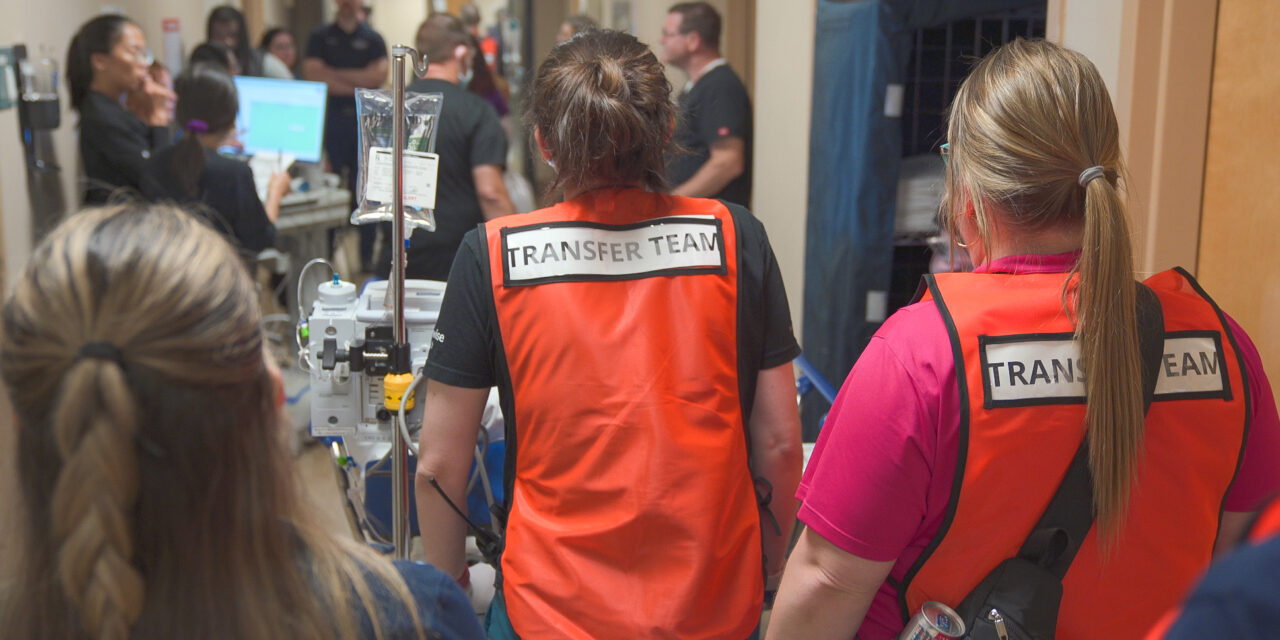
Above all, patient safety was our highest priority, and it was maintained throughout the entire process. In just 13 hours, we successfully relocated over 200 patients from the old facility to the new one, without compromising clinical care or experiencing any negative patient outcomes.
As part of the transition, we installed over 3,000 brand-new medical devices and relocated more than 1,500 existing devices, each one tagged, tested, and validated to ensure readiness. Within the first hour of moving the labor and delivery department, the first baby was born in the new hospital—a powerful moment that marked both a successful transition and a new beginning for our community.
More Than a Hospital Move
Beyond the logistics and the technology, this move represented a profound milestone for our community. We successfully opened a brand-new, state-of-the-art facility built to serve the underserved, a place designed not just for modern medicine, but also for equity, compassion, and access.
This massive undertaking underscored the power of teamwork and cross-departmental collaboration. HTM, IT, clinical staff, facilities, construction crews, project management, equipment planners, and volunteers all worked together in a tight choreography to deliver a successful, safe, and seamless transition.
Moving a hospital is never easy. Doing it while supporting critically ill patients and managing dual-site operations required resilience, adaptability, and trust. In the end, the move wasn’t just about relocating equipment; it was about providing exceptional care, without exception, for every patient, every time.
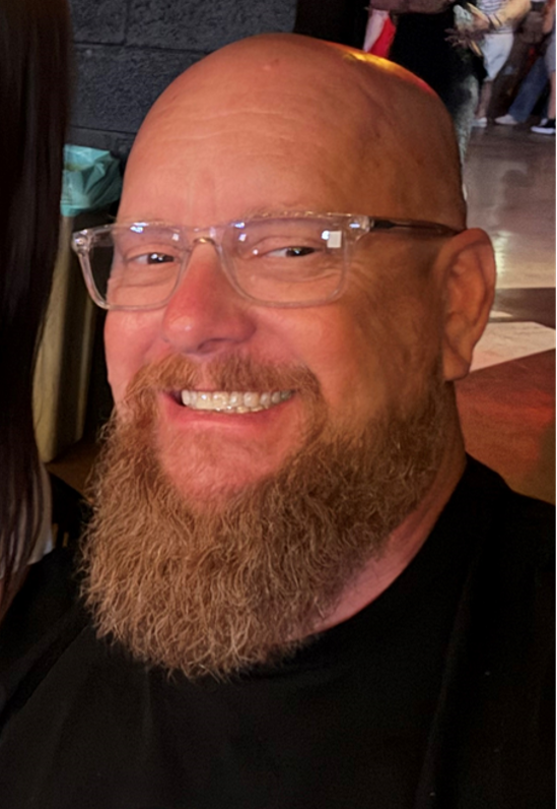
About the author: Sean Pardo, MSHA, is director of HTM at Valleywise Health in Phoenix. He’s held the director role since 2015 and has been a biomed since 1994.
Photo caption: Valleywise Health opening day
Photo provided: Sean Pardo
Have an HTM Story to Share?
We’d love to hear from you. Send your article idea or completed submission to [email protected] for consideration in 24×7.