A Digital Twin for the Linac: Testing Fixes Before Touching the Machine
Linax Technologies' new SIMAC platform lets service engineers model beam behavior, trace anomalies, and train on a virtual linac without competing for vault time.

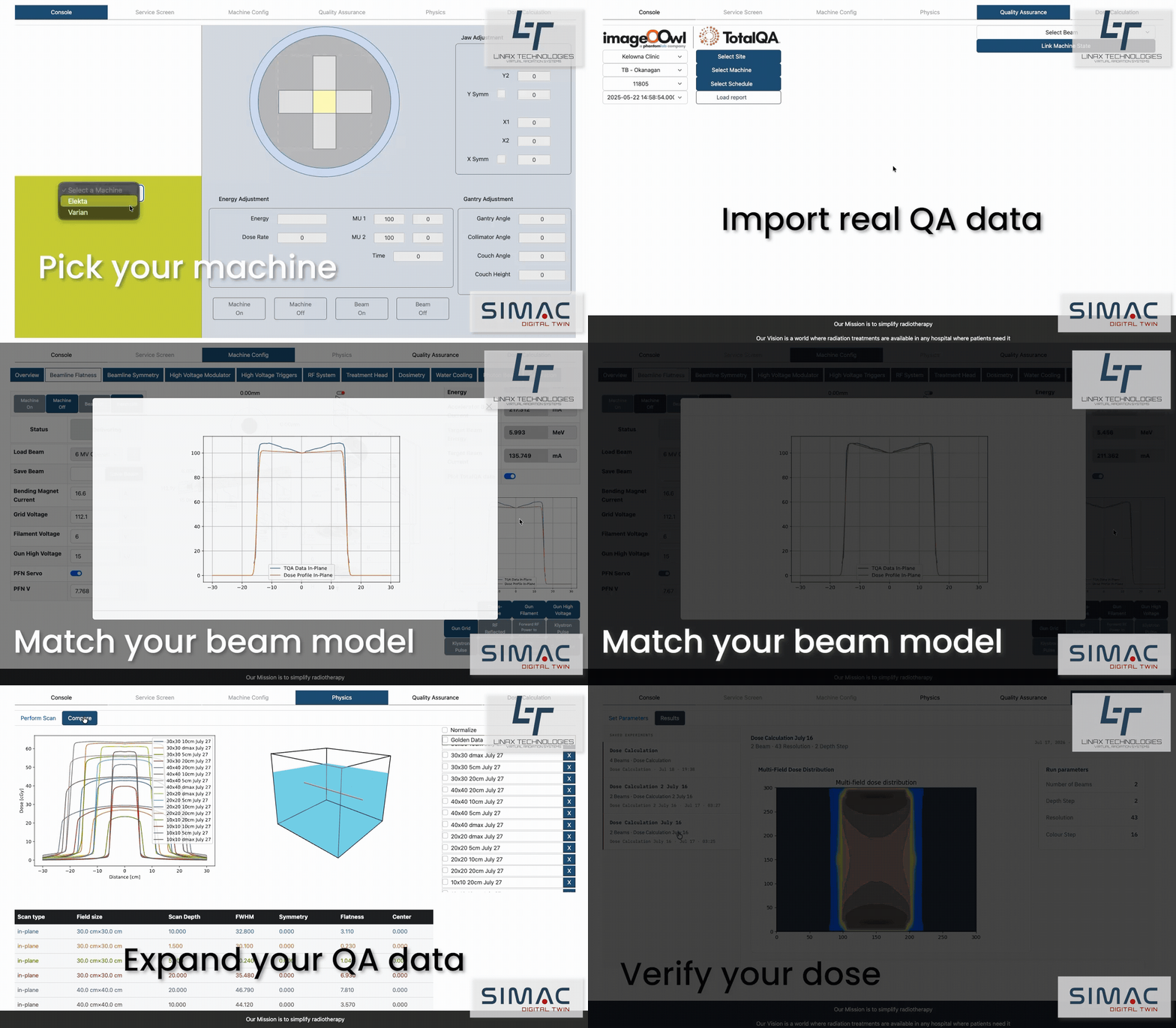
Linax Technologies' new SIMAC platform lets service engineers model beam behavior, trace anomalies, and train on a virtual linac without competing for vault time.

As device fleets expand, opportunities for PMs to drift are growing. Several approaches are helping HTM leaders keep practices consistent.






Glassbeam and the VA Healthcare Technology Management program are implementing real-time data and predictive analytics to enhance equipment uptime and efficiency at VA medical centers, in collaboration with the SimLEARN National Simulation Center.



Mountain View, Calif.-based Zingbox has released the findings of its second annual Healthcare Security Survey. The survey revealed a contradiction between the confidence that healthcare professionals have in the visibility of connected medical devices and security of their networks, and the inefficient legacy processes many still rely on to keep them secure.

The Medical Imaging & Technology Alliance (MITA) has announced the publication of NEMA/MITA 2—Requirements for Servicing of Medical Imaging Equipment, a voluntary standard outlining MITA’s minimum quality management system requirements for medical imaging device servicing.
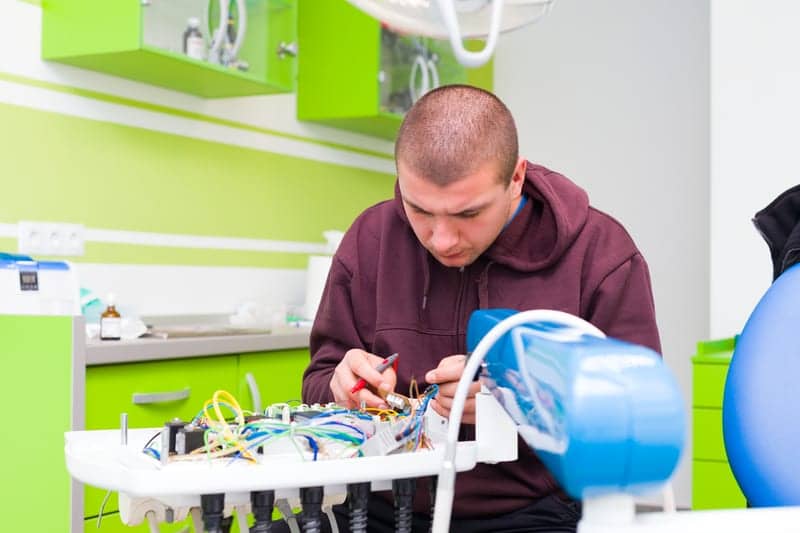
The remote and predictive maintenance of medical devices is becoming more prominent due to the growing digitalization and device connectivity, market researchers say.

ECRI named AdventHealth Zephyrhills and AdventHealth Dade City hospitals in Pasco County, Fla., winners of the 2023 Safety Excellence Award.