
Sterilization-Based Medical Waste Processing Model Adds Recycling and Landfill Diversion
The recycling-enabled approach aims to support hospital sustainability programs and unify compliance, landfill diversion, and operational reliability.
A new UC San Diego Health analysis shows how streamlining surgical preference cards using real-world data can reduce waste, cut costs, and improve operating room workflow.
Disagreement often ensues when the subject of bed maintenance by biomeds arises, reveals biomedical expert Patrick Lynch. In May's The LynchPin column, Lynch lays out both arguments regarding HTM professionals handling bed maintenance and shares his personal opinions about the matter. Don't miss out.
The recycling-enabled approach aims to support hospital sustainability programs and unify compliance, landfill diversion, and operational reliability.
By turning equipment data into actionable insights, HTM teams are reshaping how hospitals manage technology, budgets, and patient safety.
What began centuries ago as ritual healing in thermal springs has matured into a clinically rigorous practice backed by modern physics, therapy protocols, and a whole lot of biomedical oversight.Â
Supporting telehealth means managing devices and data far beyond the hospital walls.
A coroner’s report found that a 10-minute power outage at Scunthorpe General Hospital delayed life-saving treatment and contributed to the death of 77-year-old Jean Dye.
Independent service organizations are expanding their role to meet the changing demands of healthcare technology management.
AI can improve efficiency and uptime in medical device maintenance, but it will only do so when combined with human expertise, experts say.
Arvizio announced a suite of capabilities for the use of augmented reality workflow automation for medical technicians.
The second-generation platform combines real-time interactive viewing, integrated two-way intercom, and centralized data management
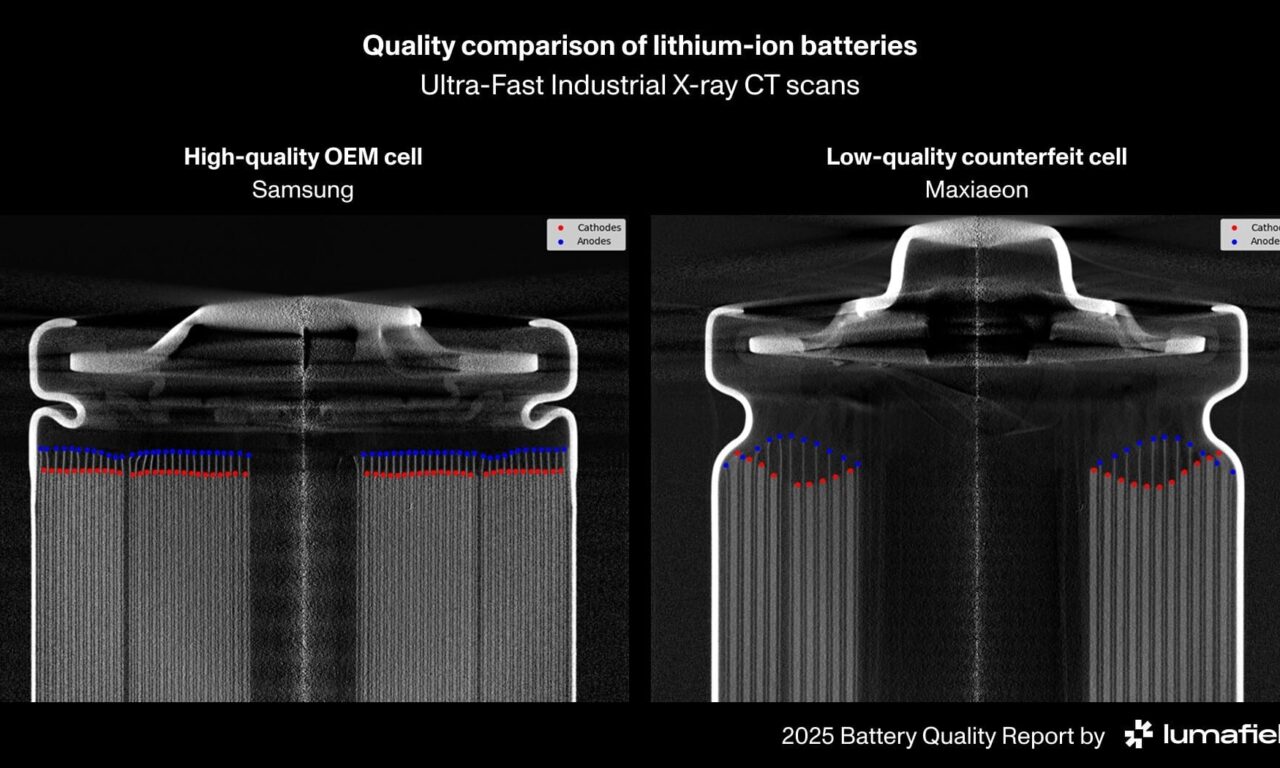
The global medical battery market, valued at $1.84 billion in 2023, is projected to grow at 5.78% CAGR, reaching $2.97 billion by 2032. Aging populations and rising chronic diseases drive demand, while challenges include labor shortages and battery safety.
The partnership aims to streamline the adoption of intelligent, RFID-enabled solutions for medical device OEMs.