GE HealthCare Launches LOGIQ Focus Ultrasound System for General Imaging
The AI-enabled platform expands the LOGIQ family with cSound Architecture, automation tools, and liver assessment capabilities aimed at routine and complex exams.

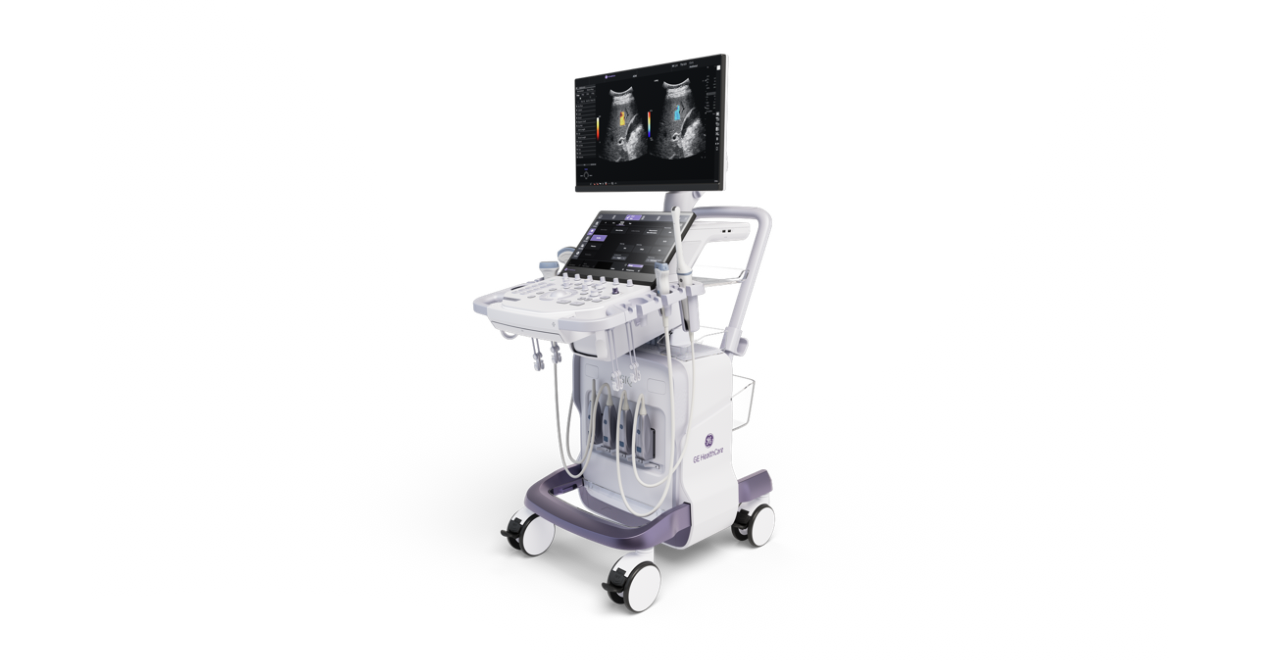
The AI-enabled platform expands the LOGIQ family with cSound Architecture, automation tools, and liver assessment capabilities aimed at routine and complex exams.
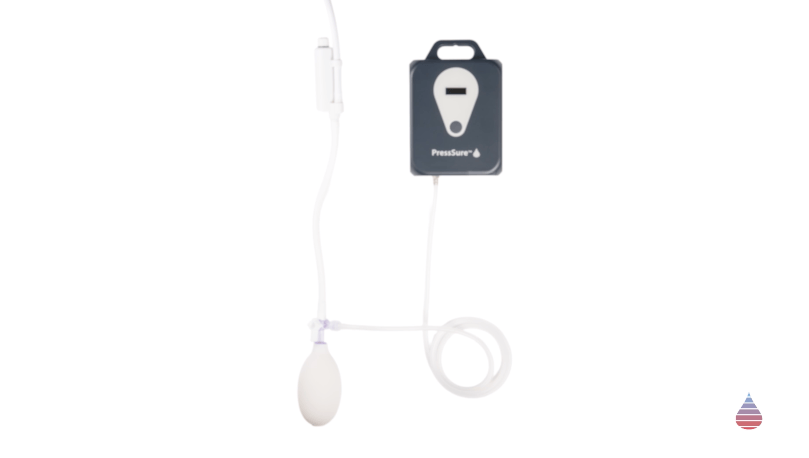
Designed with no scheduled calibration or proprietary consumables, the battery-powered unit maintains pressure bag settings across critical care workflows.



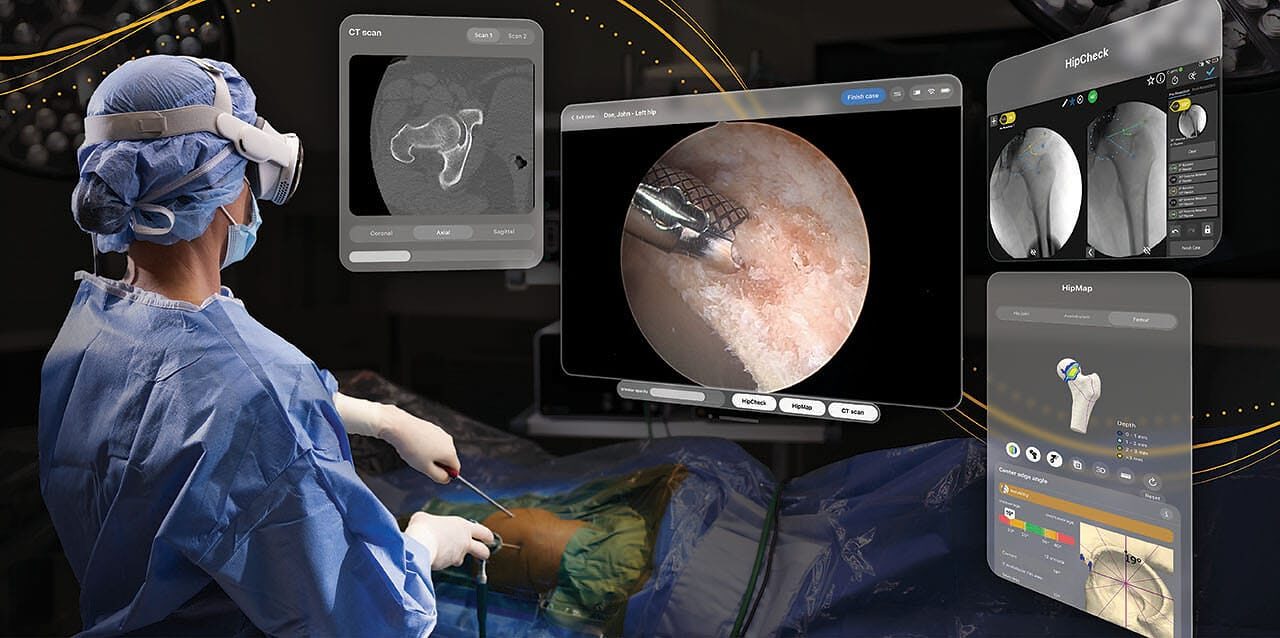
The spatial computing system brings imaging and procedural data into the surgeon’s field of view, reducing reliance on multiple operating room monitors.






The AI-enabled platform expands the LOGIQ family with cSound Architecture, automation tools, and liver assessment capabilities aimed at routine and complex exams.

The new platform features artificial intelligence specialists to automate risk detection and remediation for healthcare technology.
Read More
The report found a 51% increase in published vulnerabilities and warned that attackers continue to target connected medical devices and other specialized systems.
Read More
The company’s new positioning focuses on the integration of clinical engineering, cybersecurity, and data insights.
Read More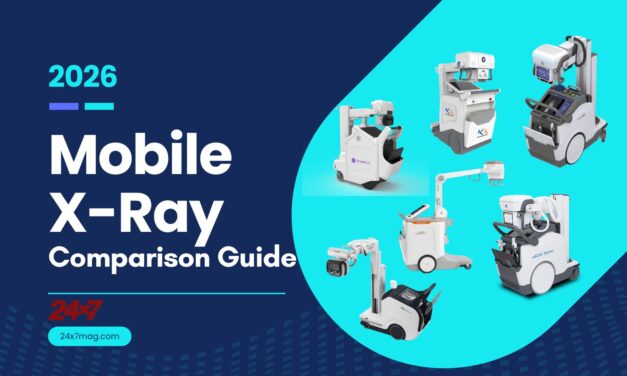
Compare key specifications, workflow features, service capabilities, connectivity, and pricing for today’s mobile X-ray systems.
Read More
The compact solution features a wireless transducer and specialized interface to support bedside procedures.
Read More
The Alturion ultrasound platform is designed to improve workflow efficiency with AI-assisted measurements, a compact design, and compatibility with existing Philips ultrasound systems.
Read More

The five-year agreement will support collaborative research in medical device manufacturing and image-guided procedures while strengthening the biomedical workforce pipeline.