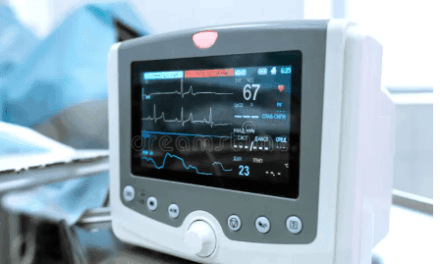
FDA Classifies Draeger VentStar Resus Neo Breathing Circuit Recall as Class I
Cracks in disposable infant breathing hoses could cause restricted ventilation, hypoxia, or death, prompting the agency's most serious recall designation.


Cracks in disposable infant breathing hoses could cause restricted ventilation, hypoxia, or death, prompting the agency's most serious recall designation.

The association says FDA’s proposed approach could strengthen the role of consensus standards in medical device regulation, maintenance, and international harmonization.

Boston Scientific reports no new unauthorized activity since Aug 25, while new cardiac device remote monitoring activations remain disrupted.
Read More
A new work group is developing playbooks, expected by the end of the year, to help health systems respond to emerging AI cyber threats.
Read More
The agency warns of potential high-risk issues with Bravo CF delivery systems following reports of 184 serious injuries.
Read More
Abiomed is replacing components in Automated Impella Controllers following reports of injuries and deaths linked to purge cassette recognition issues.
Read More
The company reports disruptions to business applications and its ability to process and ship customer orders.
Read More
AI is helping attackers find and exploit weak spots faster. It’s also giving HTM and security teams new ways to strengthen their defenses.
Read More
Since launching in March, the RISC 2.0 cybersecurity module has helped hundreds of facilities benchmark their defenses—and revealed where healthcare still falls short.
Read More
The system uses clinical-grade wearables and algorithms to provide objective data on tremors, sleep, and medication compliance.
Read More
The issue involves the Portrait Mobile Monitoring Solution and could lead to patients being removed from the system or alarm settings resetting during updates.
Read More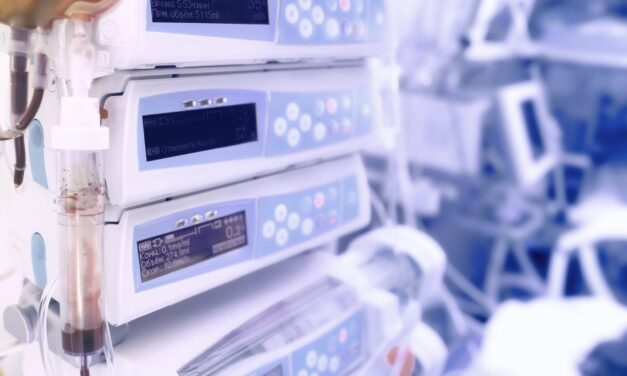
Hospitals can’t address every medical device vulnerability at once, making clear ownership of the priority list—and HTM’s role in shaping it—critical.
Read More
Certain procedure trays contain recalled sodium chloride ampules that may pose a risk of infection or organ failure.
Read More
The agency released a discussion paper to address the unique risks and potential of generative artificial intelligence in the healthcare ecosystem.
Read More