WellSpan Health and Philips Form Seven-Year Alliance for Imaging and AI
The collaboration includes a research agreement to validate new technology and a commercial deal naming Philips the preferred vendor for imaging equipment across 12 hospitals.


The collaboration includes a research agreement to validate new technology and a commercial deal naming Philips the preferred vendor for imaging equipment across 12 hospitals.
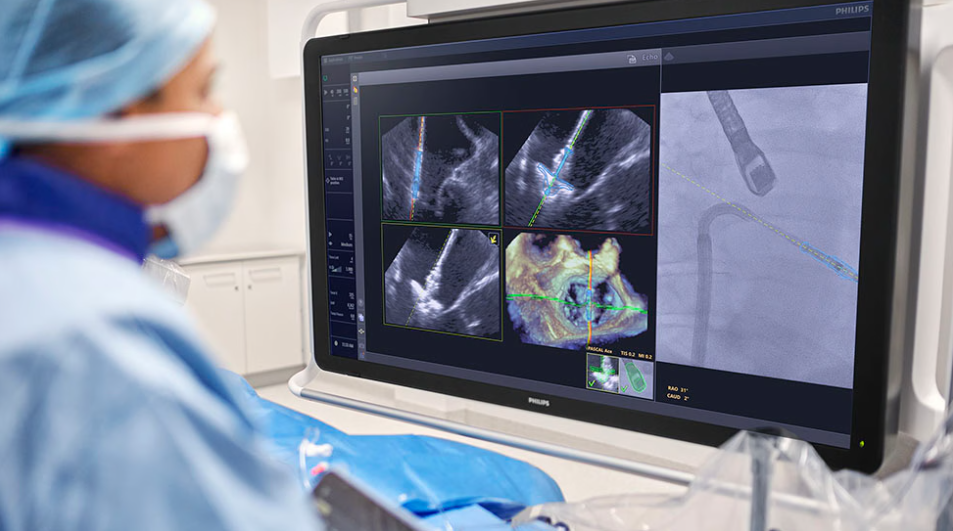
EchoNavigator with DeviceGuide uses AI to track and visualize repair devices in real time during minimally invasive procedures.




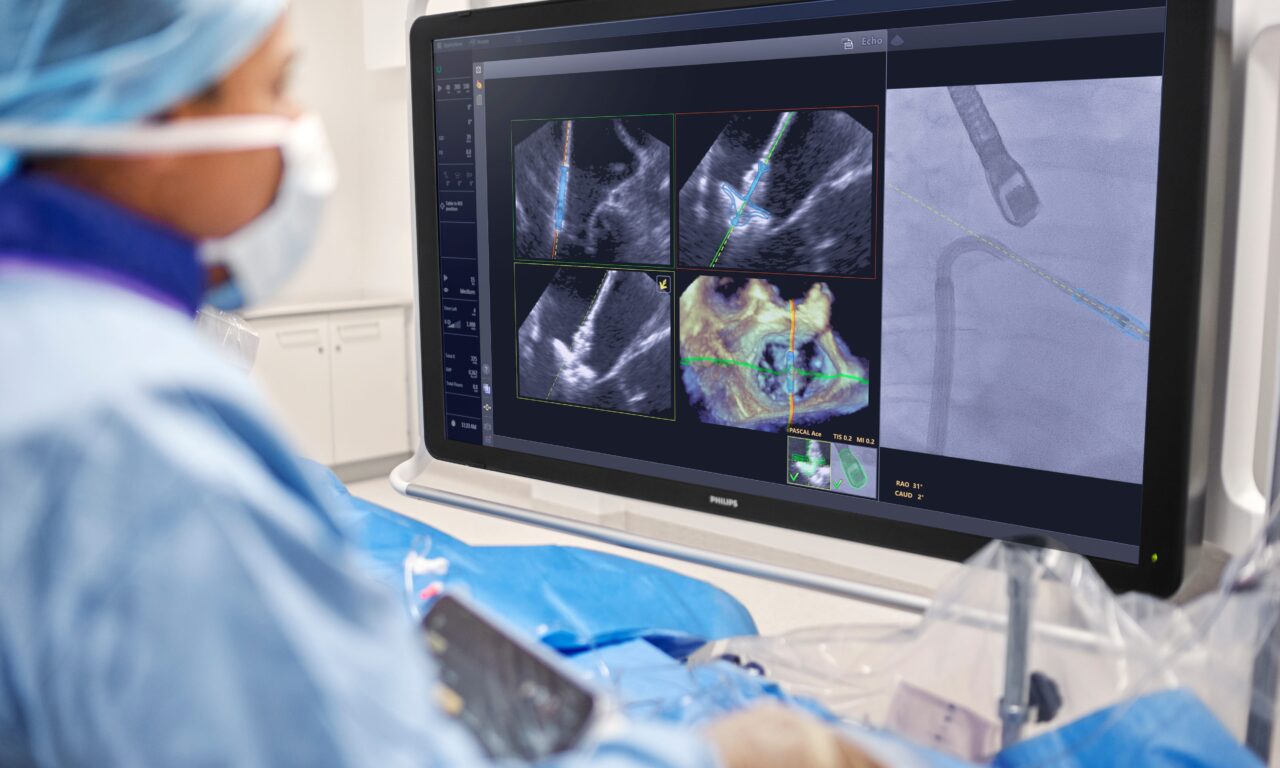
The tool automatically tracks transcatheter repair devices and merges echo and X-ray for clearer intra-procedural guidance.




The collaboration includes a research agreement to validate new technology and a commercial deal naming Philips the preferred vendor for imaging equipment across 12 hospitals.

The new system, featuring the Telemetry Monitor 5500, is designed to streamline alarm management and provide data-driven operational insights for cardiac monitoring.
Read More
The Transcend Plus update for EPIQ CVx and Affiniti CVx systems includes new FDA-cleared AI applications and image quality enhancements designed to improve diagnostic confidence and streamline clinical workflows.
Read More
The investment will expand facilities in Pennsylvania and Minnesota to increase production of AI-enabled ultrasound and image-guided therapy systems.
Read More
Updated guidance addresses ventilator inoperative alarm failures that may lead to therapy loss, with 13 injuries and eight deaths reported.
Read More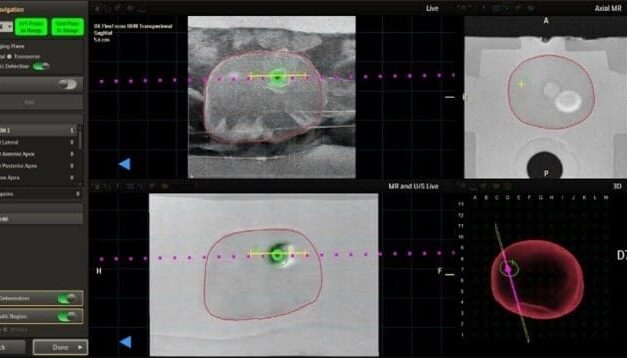
The newly cleared platform combines MR and ultrasound imaging to support real-time guidance for focal therapy and improve clinical accuracy.
Read More
Building on its success in the United States, the catheter brings real-time 3D imaging inside the heart, aiming to help physicians perform procedures with greater clarity and without the need for general anesthesia.
Read More

AI has the power to cut care delays and manage data overload, but trust gaps among clinicians and patients threaten to slow adoption and impact, the report finds.