Olympus Launches Visera Elite III Surgical Imaging Platform in US
New imaging system integrates 4K, 3D, and fluorescence-guided technologies across multiple surgical specialties.

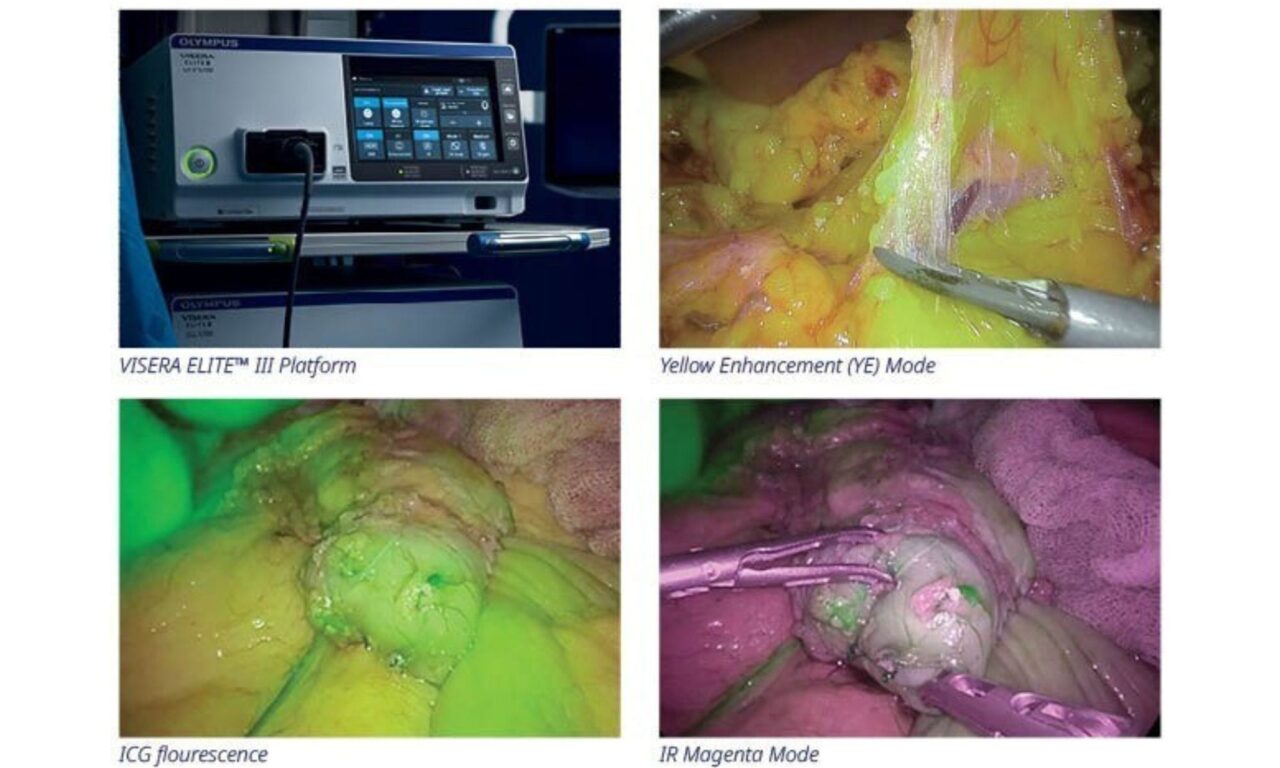
New imaging system integrates 4K, 3D, and fluorescence-guided technologies across multiple surgical specialties.

GE HealthCare announced a collaboration with Diagnoly to advance the use of AI in fetal ultrasound assessments



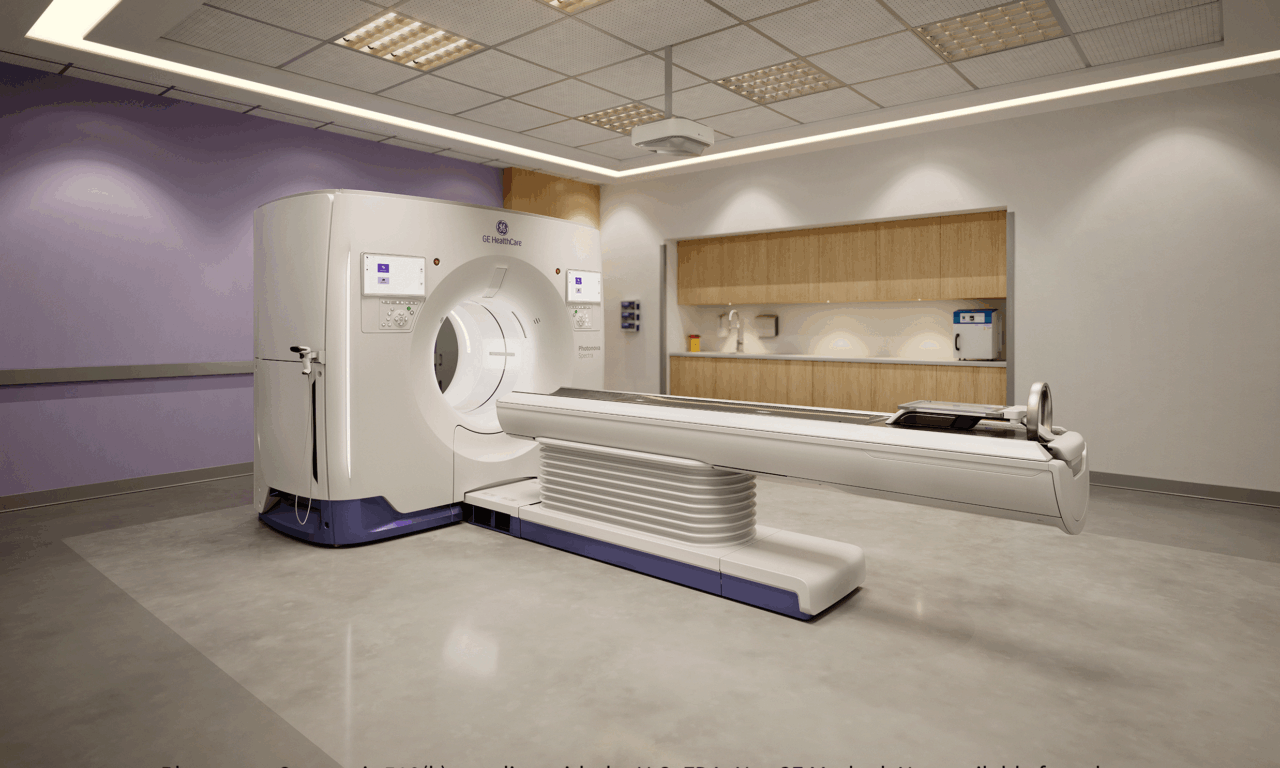
The new 510(k)-pending system is designed to simplify workflows with a single universal scan approach, aiming to boost efficiency and reduce complexity across multiple CT exams.
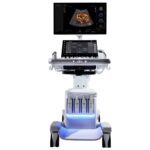
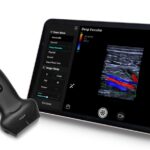


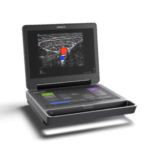
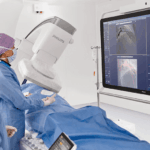
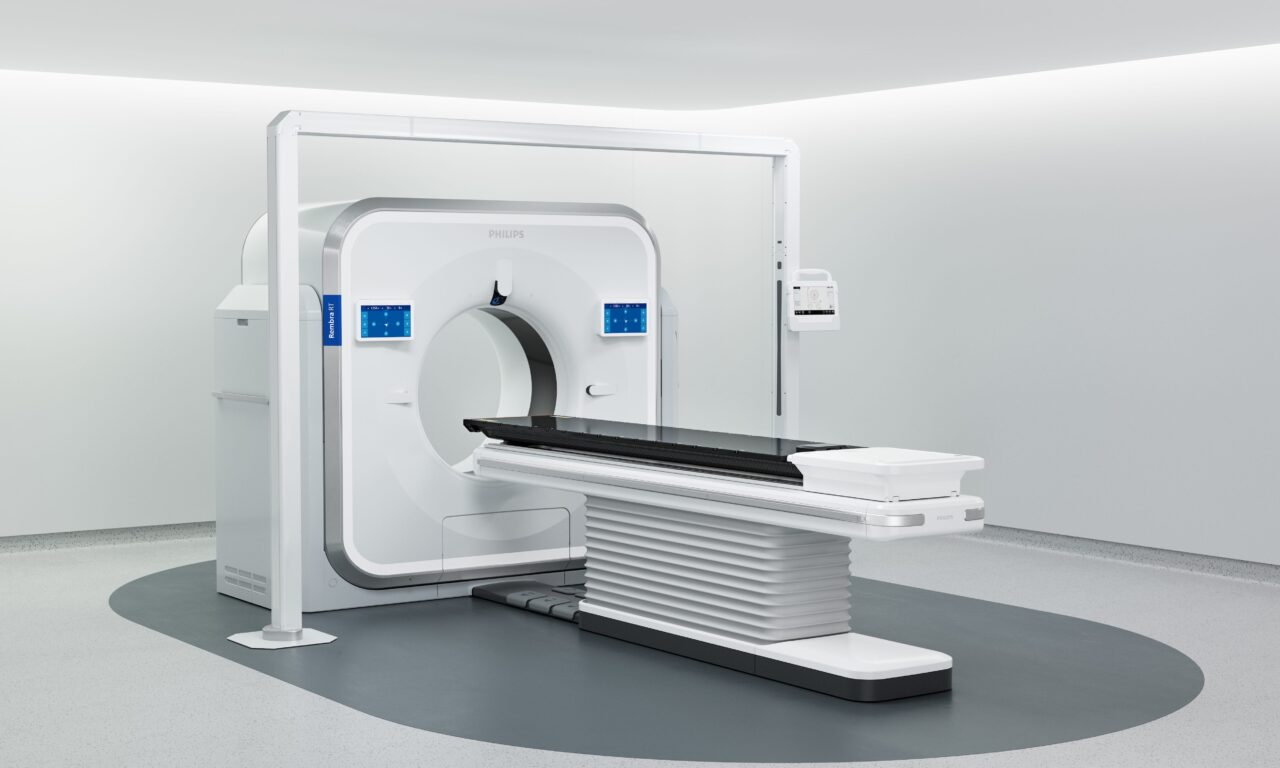
The platforms feature AI-powered imaging, helium-free MR technology, and designs focused on long-term operational value and efficiency.
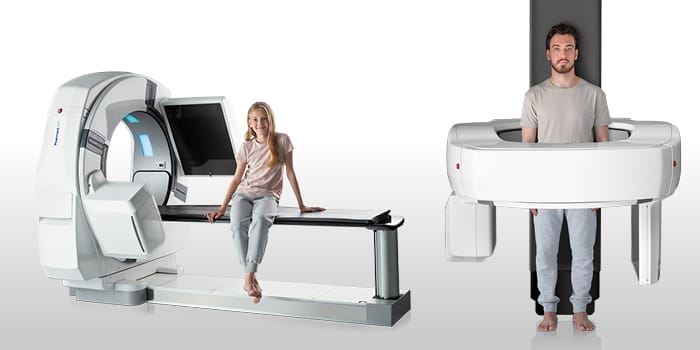
The cone-beam computed tomography system can image patients in standing, seated, or supine positions.
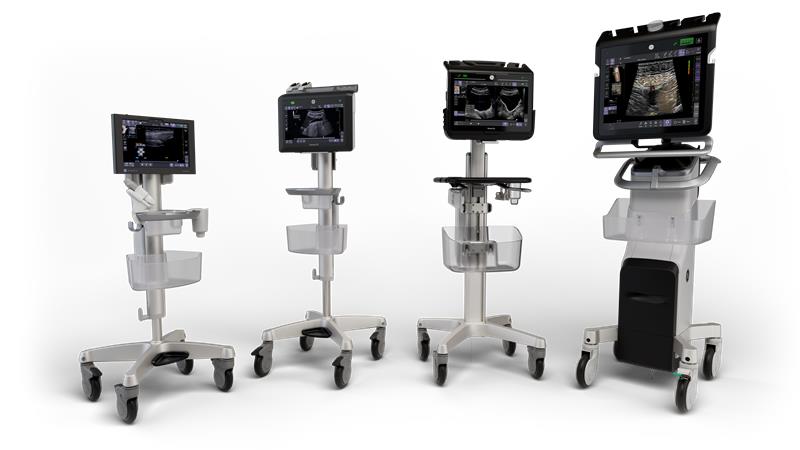
The updated systems include a new tool for guiding peripheral nerve blocks and features to simplify bladder and cardiac assessments.
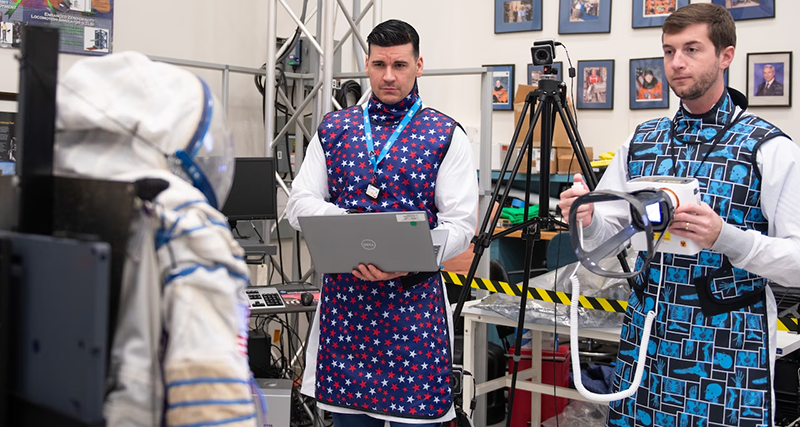
NASA researchers are evaluating portable X-ray systems for diagnosing injuries and inspecting equipment during long-duration missions to the Moon and Mars.

The investigational system uses X-ray diffraction and AI to analyze the molecular composition of tissue, aiming to reduce unnecessary biopsies.

The GE HealthCare system, installed in collaboration with Cyclomedical International, will enable on-site production of radioisotopes for PET imaging and theranostics.

The funding will support the development of an AI platform designed to clean and move large imaging datasets more efficiently than traditional methods.

The patented design is intended to reduce maintenance by supporting over 100,000 mating cycles and minimizing contamination sensitivity.