What’s Behind Inconsistent Sterile Processing?
New research examines the organizational factors that make it difficult for sterile processing teams to maintain consistent practices.

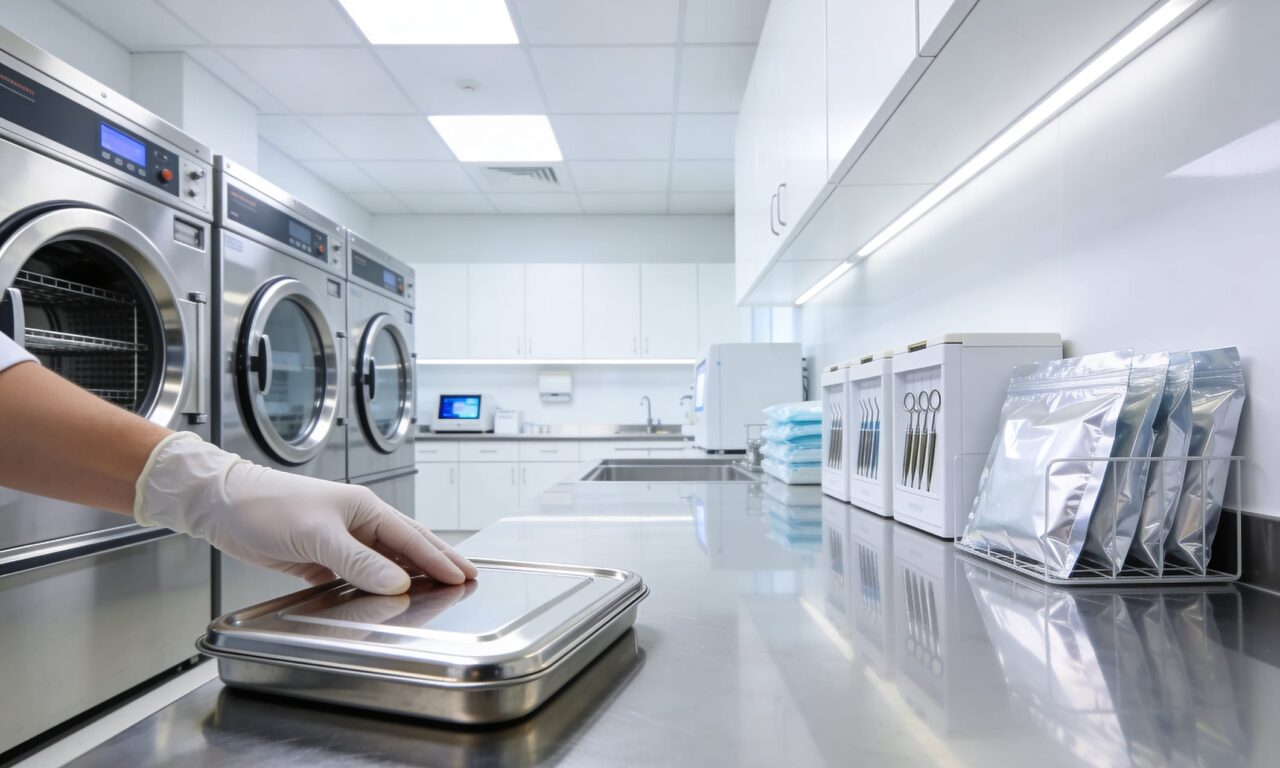
New research examines the organizational factors that make it difficult for sterile processing teams to maintain consistent practices.

ECRI research examines safety, cost, and environmental tradeoffs of reusing versus discarding medical devices in hospitals.





A new report illuminates the benefits of extending the life of “single-use” medical devices through the process of being reprocessed.



New research examines the organizational factors that make it difficult for sterile processing teams to maintain consistent practices.
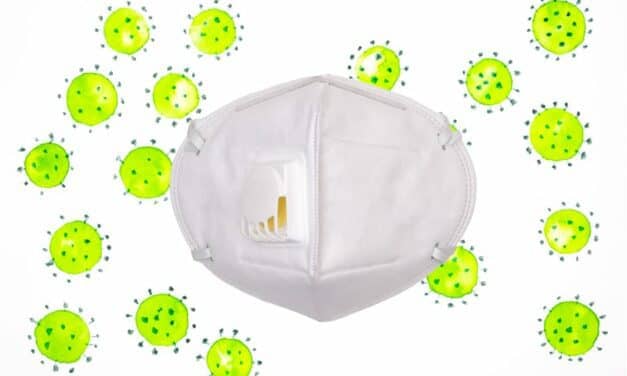
The FDA had previously issued EUAs for decontamination systems to sterilize masks up to 10 times to combat shortages, but with its reissued EUAs the agency now says 4 times should be the max.
Read More
Hospitals could cut emissions associated with some medical device use in half by opting instead for regulated, reprocessed “single-use” medical devices, according to a new study.
Read More
According to a paper in the December issue of Health Affairs, medical device reprocessing could significantly cut down on medical waste and emissions.
Read More
Hospitals that use medical device reprocessing by regulated reprocessors removed over 7,100 tons of waste, a number that could grow dramatically, according to the researchers.
Read More
Reprocessed cardiovascular medical devices are the most in demand worldwide, mainly because of the increasing incidence of disease in both developing and developed countries, according to a new market analysis.
Read More
Preventing the spread of healthcare-acquired infections is compelling clinics, ambulatory surgical centers, and hospitals around the globe to purchase automated endoscope reprocessors.
Read More