Philips Showcases AI-Enabled Patient Monitoring and Diagnostics Integration at HIMSS26
The company's connected platform aims to link physiologic monitoring data with diagnostic imaging across radiology, cardiology, and pathology.

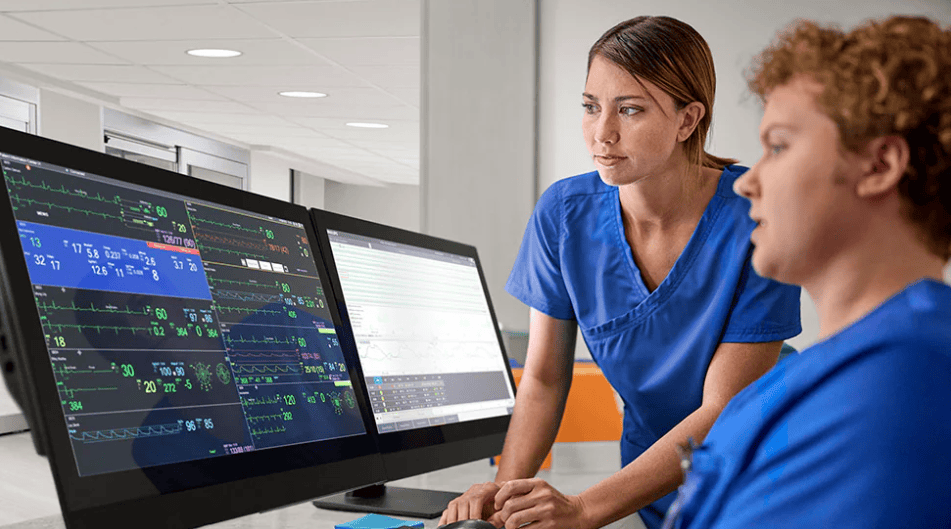
The company's connected platform aims to link physiologic monitoring data with diagnostic imaging across radiology, cardiology, and pathology.
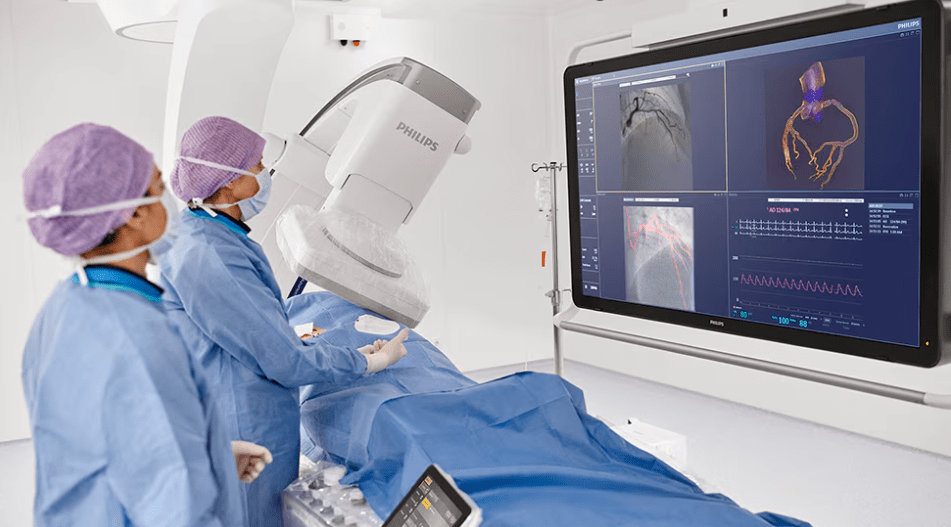
The integration automatically synchronizes CT images with C-arm movement, aiming to support workflow efficiency and additional anatomical insights in PCI procedures.
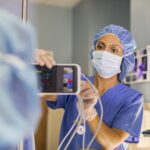




The Transcend Plus update for EPIQ CVx and Affiniti CVx systems includes new FDA-cleared AI applications and image quality enhancements designed to improve diagnostic confidence and streamline clinical workflows.
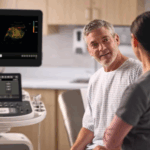




The company's connected platform aims to link physiologic monitoring data with diagnostic imaging across radiology, cardiology, and pathology.

Virtual reality is opening new pathways for technician training—bringing immersive, hands-on practice to both education and clinical operations.
Read More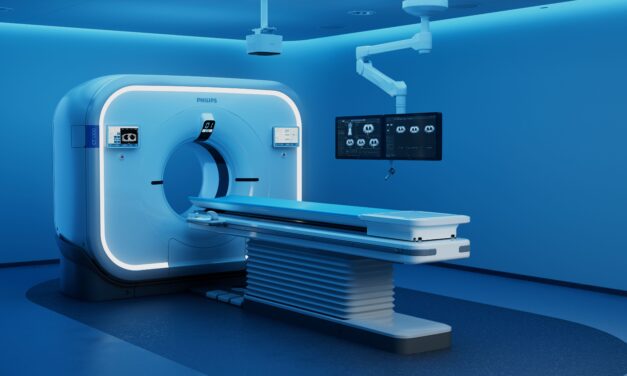
With a focus on data and AI, the company has introduced advancements in imaging, diagnostics, and image-guided therapy.
Read More
AWS’ AI services and global infrastructure support the expansion of Philips’ healthcare informatics portfolio and product development for interoperable healthcare.
Read More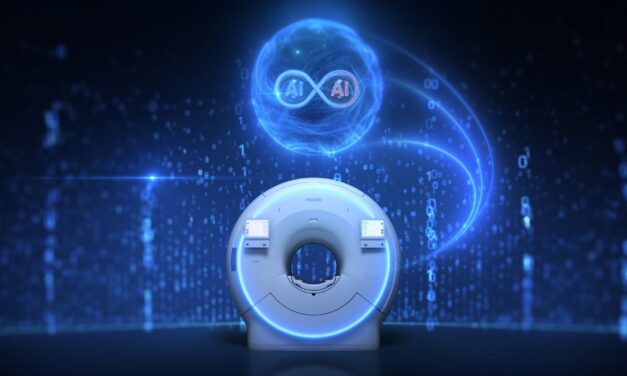
Philips integrates AI algorithms into its MRI systems and showcases its AI-enabled software to streamline workflows and new wide-bore scanner at ECR 2025.
Read More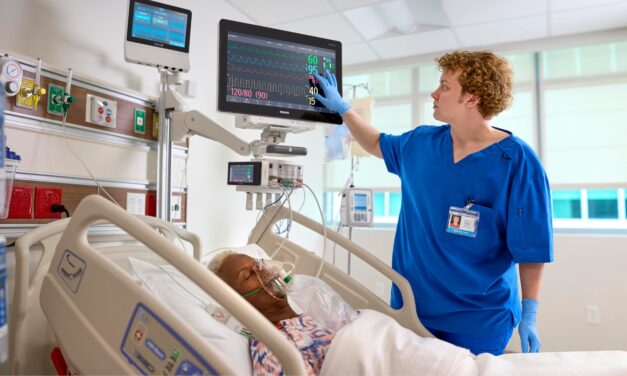
By streaming data from medical devices and other sources, Philips and Mass General Brigham aim to create a scalable, unified, near real-time data and insights ecosystem.
Read More
Philips’ cardiac telemetry Monitoring Service Application did not route some ECG events from July 2022 to July 2024 for cardiology review.
Read More

Philips has updated instructions for several ventilators to address aerosol deposits on internal sensors when used with in-line nebulizers.


