FDA-Cleared Pediatric Body Coil Now Available for Philips 3.0T MRI
The pediatric body array coil, developed to offer a more flexible alternative to rigid devices, is optimized and validated for use on 3.0T MRI systems.

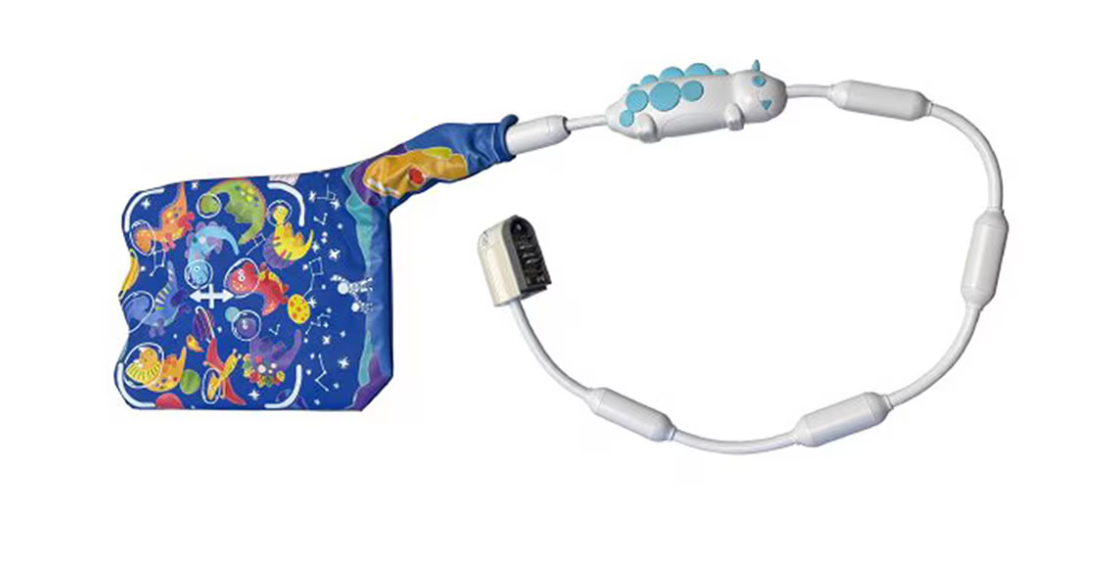
The pediatric body array coil, developed to offer a more flexible alternative to rigid devices, is optimized and validated for use on 3.0T MRI systems.

The Alliance for Pediatric Device Innovation and Pediatric Pandemic Network have teamed up for a pitch competition for pediatric device manufacturers to develop market-ready medical countermeasures for children.






Children who need a tracheostomy are at high risk of accumulating fluid behind their eardrum when on a ventilator, according to new research.


The pediatric body array coil, developed to offer a more flexible alternative to rigid devices, is optimized and validated for use on 3.0T MRI systems.

Royal Philips announces the launch of Philips Pediatric Coaching, a technology designed to reduce stress for children undergoing MRI scans.
Read More
Children’s National Hospital is joining with the Center for Advancing Innovation to launch the 2021-2022 Innovate Children’s Health Challenge to encourage the commercialization of technologies that improve children’s healthcare.
Read More
A medical device that has been shown to manage pain among babies born preterm can also help keep their brain oxygen levels steady during medical procedures, finds new analysis by researchers at the University of British Columbia.
Read More
Sixteen finalists have been announced in the “Make Your Medical Device Pitch for Kids”!” special COVID-19 edition competition, which is being presented by the National Capital Consortium for Pediatric Device Innovation.
Read More
The National Capital Consortium for Pediatric Device Innovation (NCC-PDI) announces a special pitch competition focused on COVID-19-related pediatric medical devices that support home health monitoring and telehealth; and improve sustainability, resiliency, and readiness in diagnosing and treating children during a pandemic.
Read More
The U.S. FDA has granted marketing authorization to Medtronic Inc. for the Carpediem System, which is indicated to provide continuous hemodialysis or hemofiltration therapy to critically ill pediatric patients weighing between 5.5 to 22 pounds.
Read More

Monitoring devices for preterm infants haven’t changed much since the ’60s. But they’re about to—and should, asserts one healthcare company executive. Here’s what you need to know about monitoring devices in the NICU—and how they are advancing.