Building a Better Imaging Service Strategy for a Changing HTM Environment
Imaging equipment is becoming more complex, and experienced imaging engineers are harder to find. Industry leaders discuss how HTM teams can respond.

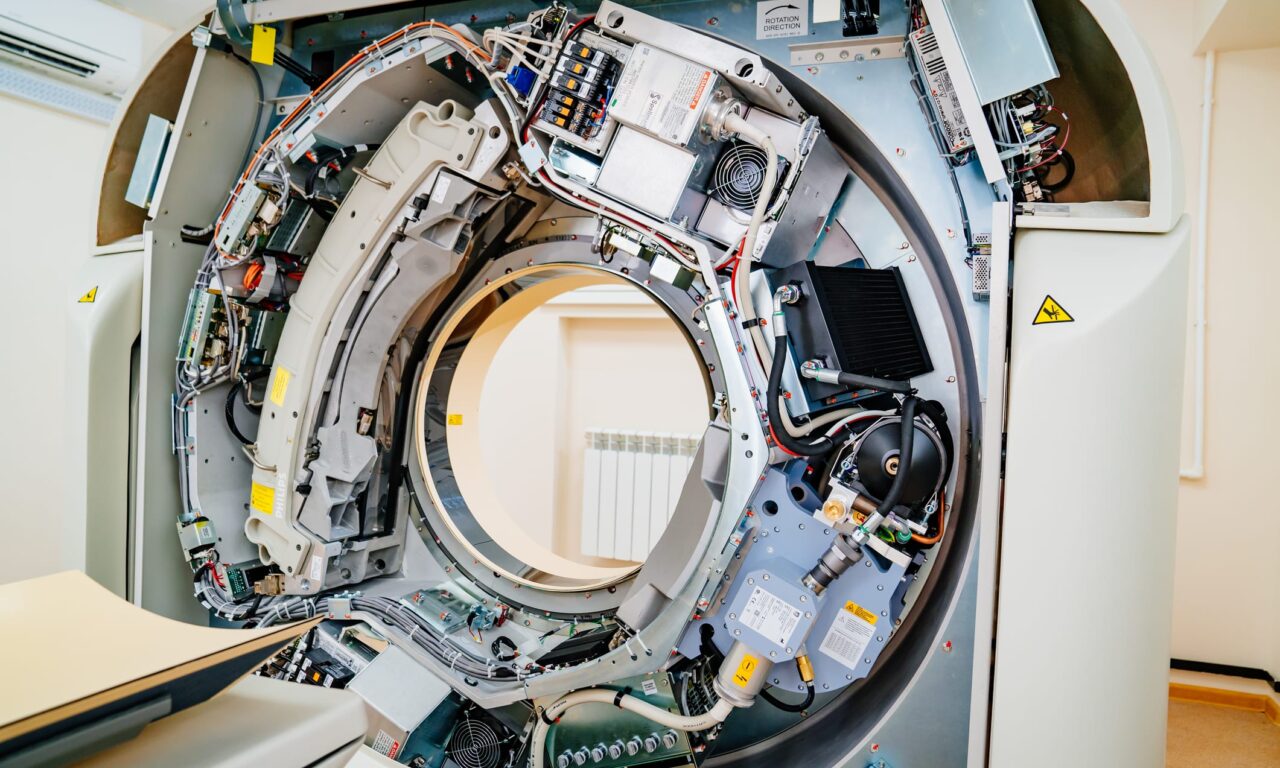
Imaging equipment is becoming more complex, and experienced imaging engineers are harder to find. Industry leaders discuss how HTM teams can respond.

The recall affects IMPRIS Neuro III-SV models that use Siemens 3T magnets, citing a risk of blocked helium venting during a magnet quench.




The vendor-agnostic system enables remote scanning in a command center configuration and real-time remote expertise.


Imaging equipment is becoming more complex, and experienced imaging engineers are harder to find. Industry leaders discuss how HTM teams can respond.
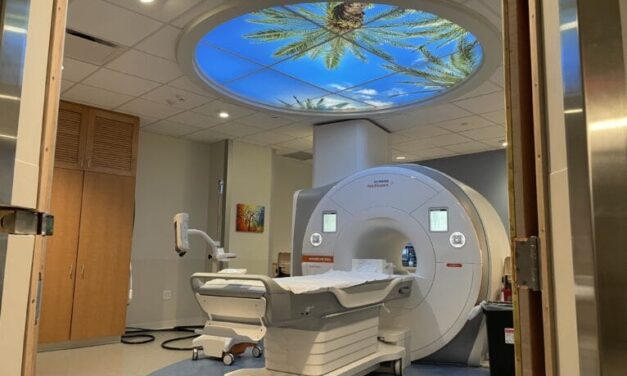
The expanded suite includes a fourth MRI scanner, added prep and recovery areas, and a dedicated space for anesthesia support.
Read More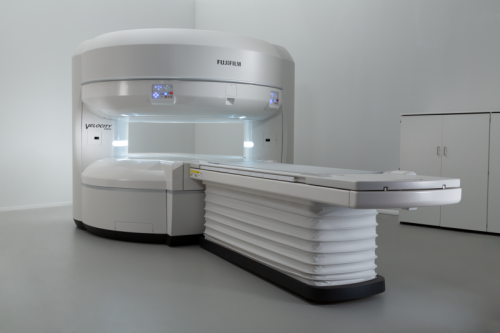
New MRI systems at Mansfield Hospital and Ontario Health Center aim to improve scan quality, reduce imaging time, and enhance patient comfort.
Read More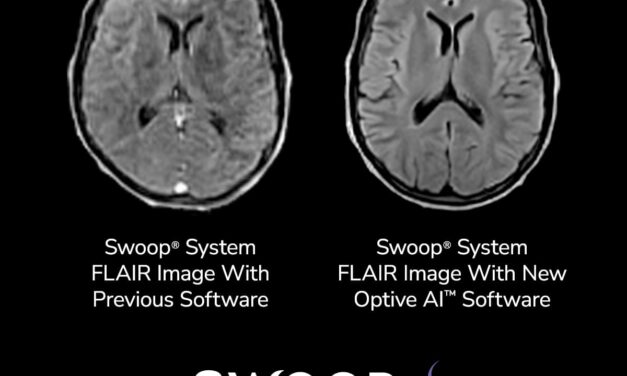
The software is designed to enhance image quality for AI-powered portable magnetic resonance brain imaging.
Read More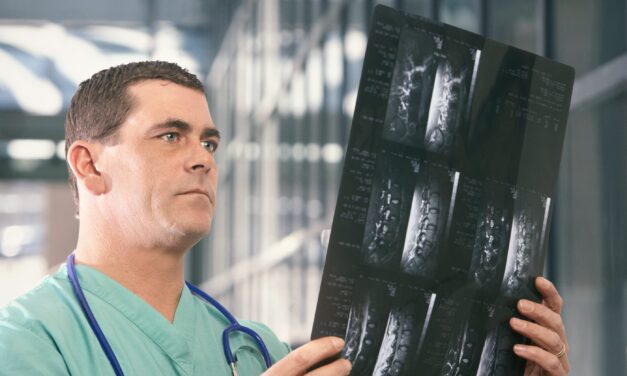
The decision-support tool assists in the evaluation of previously acquired lumbar spine MRIs.
Read More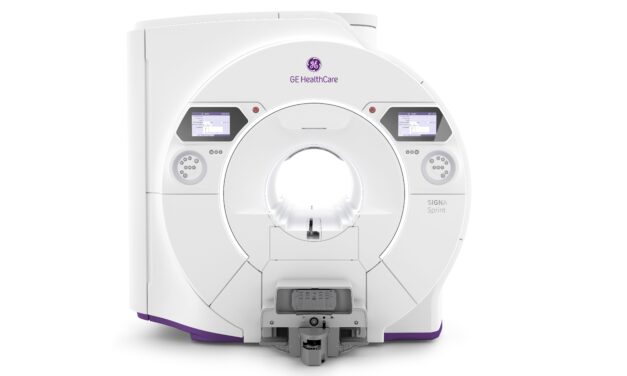
The FDA-pending wide bore 1.5T MRI scanner is designed to provide power previously unattainable at 1.5T for clarity in cardiology and oncology imaging.
Read More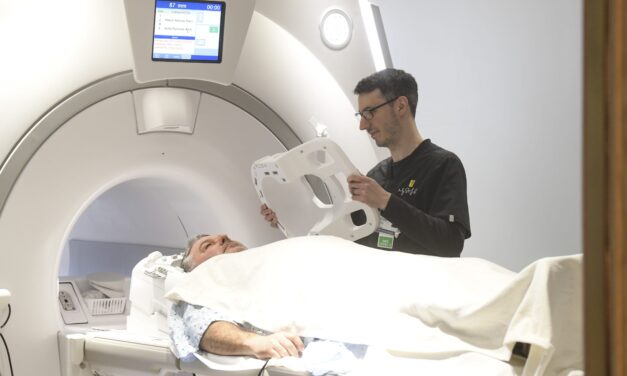
The investment aims to expand patient access to faster, AI-enhanced MRI scans across the nonprofit health network.
Read More
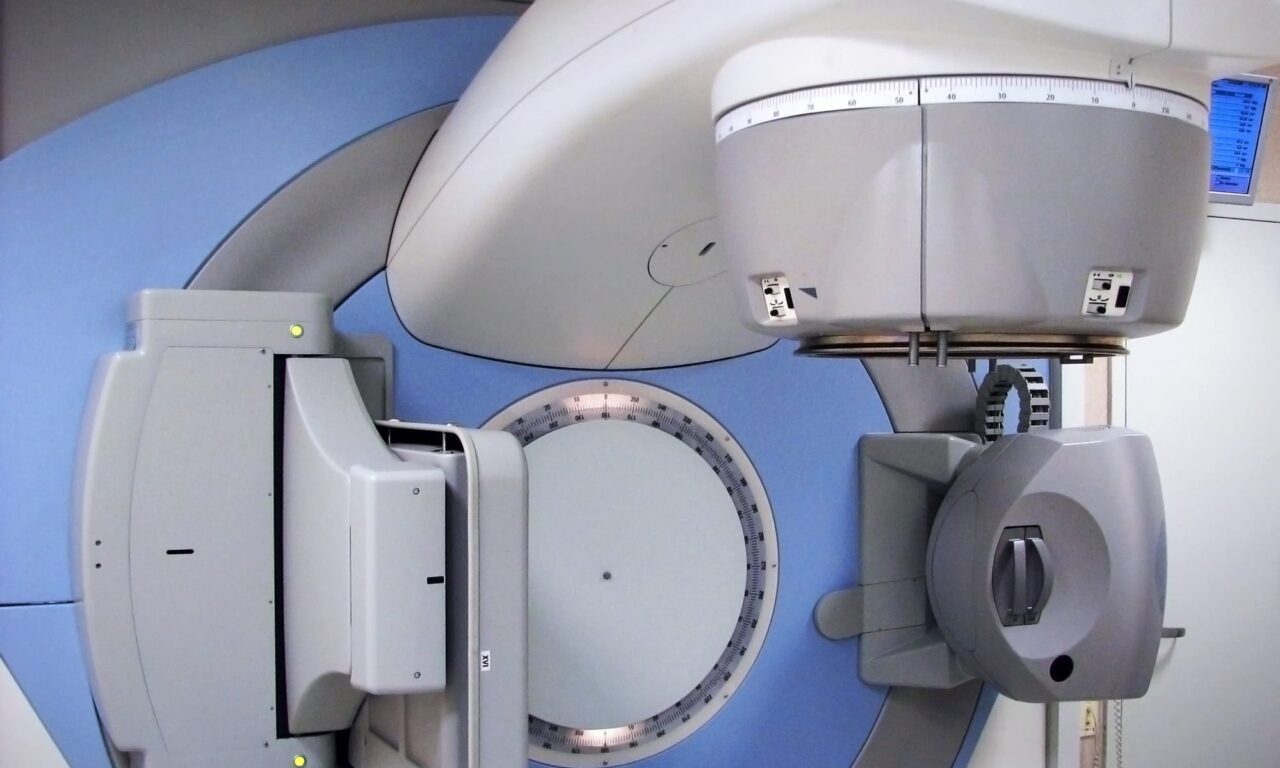
The July 25–26 meeting will offer education, networking, and recognition for those who maintain radiotherapy and imaging systems in cancer centers.