New Device Automates Infusion Pressure Management
Designed with no scheduled calibration or proprietary consumables, the battery-powered unit maintains pressure bag settings across critical care workflows.

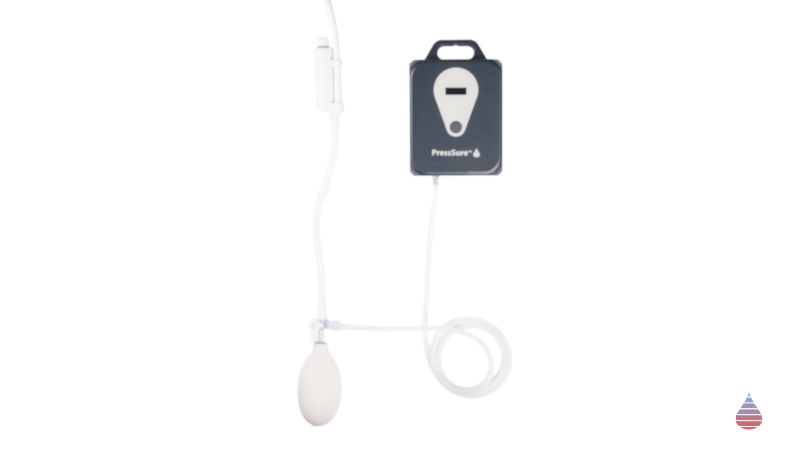
Designed with no scheduled calibration or proprietary consumables, the battery-powered unit maintains pressure bag settings across critical care workflows.

FDA identifies Class I recall as most serious type due to software anomalies that may cause unexpected shutdowns and interface freezing.






The Mary K. Logan Research Grants will fund studies focused on enhancing the safety and effectiveness of health technology to improve patient care.






Designed with no scheduled calibration or proprietary consumables, the battery-powered unit maintains pressure bag settings across critical care workflows.
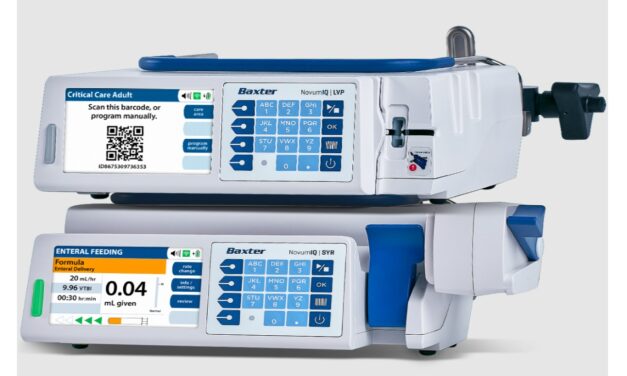
The correction follows reports that extended standby time or leaving the pump powered off with an administration set loaded may reduce flow delivery.
Read More
Issues may cause therapy delays, false alarms, or thermal damage, though no injuries reported to date.
Read More
Designed for use in MRI environments, the infusion pump builds on the company’s earlier systems, which the company says remain the only non-magnetic infusion pumps cleared for use during MRI procedures.
Read More
The new location aims to shorten delivery times and support hospitals across Oklahoma and neighboring states with on-demand medical equipment.
Read More
The new Tucson branch expands medical equipment rental services for hospitals across Arizona, New Mexico, and surrounding areas.
Read More
The FDA has issued a warning letter to ICU Medical, citing regulatory violations related to unapproved modifications to two of its infusion pumps.
Read More

Virtual reality is opening new pathways for technician training—bringing immersive, hands-on practice to both education and clinical operations.


