FDA Clears Avatar Medical Vision for 3D Imaging and Surgical Planning
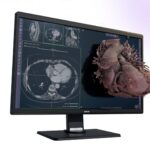
The software supports CT and MR image visualization across standard displays, glasses-free 3D systems, and virtual reality environments.
As MDSAP gains traction and FDA quality requirements align with ISO 13485, HTM teams have new ways to evaluate equipment reliability, serviceability, and long-term performance before purchase.
The pilot will evaluate a new, risk-based enforcement approach that supports digital health devices intended for use in chronic conditions.
The software supports CT and MR image visualization across standard displays, glasses-free 3D systems, and virtual reality environments.
The agency reminds healthcare facilities to follow manufacturer instructions for use and maintenance after reports of fires, serious injuries, and deaths.
Read MoreThe company has now accumulated over 100 authorizations for artificial intelligence in its medical technology portfolio.
Read MoreBoston Scientific’s Endotak Reliance leads with ePTFE-coated coils may reduce shock efficacy due to coil calcification.
Read MoreAdvaMed leaders call for a continued focus on timely patient access and regulatory predictability as the FDA opens discussions on the next medical device user fee agreement.
Read MoreThe newly cleared platform combines MR and ultrasound imaging to support real-time guidance for focal therapy and improve clinical accuracy.
Read MoreAdvocacy built on long-term relationships can help HTM professionals stay influential as agency leaders and lawmakers change.
Read More
A cybersecurity vulnerability that prompted Baxter to recall certain Life2000 ventilators is being seen by some industry experts as part of a broader shift in how the FDA treats software-related risks.Â