ECRI leaders discussed how technologies such as AI-based monitoring and safety systems can affect falls prevention and why system-level evaluation is critical to avoid unintended risk.
ECRI leaders were invited to share insights on persistent challenges and opportunities in patient safety at a National Academy of Medicine (NAM) Leadership Consortium meeting, “The Future of Patient Safety: A New Paradigm.” The event was hosted by the NAM Trust & Engagement Action Collaborative and the Digital Health & AI Action Collaborative.
Marcus Schabacker, MD, PhD, ECRI president and CEO; Shannon Kooker (Davila), MSN, RN, CPPS, CPHQ, CIC, FAPIC, executive director of total systems safety at ECRI; and Rita K. Jew, PharmD, MBA, BCPPS, FASHP, president of the Institute for Safe Medication Practices participated in the invite-only meeting alongside representatives from universities, health systems, healthcare nonprofits, accrediting bodies, and federal agencies.
Kooker spoke at a panel session that examined key challenges in medication safety, fall prevention, and health literacy. She shared insights on how innovative, system-based solutions can reduce preventable harm.
“When we understand the system factors that lead to noncompliance, workarounds, or failure of an intervention, we can better design strategies that are perceived as useful, efficient, and valuable,” says Kooker in a release. “Creating a culture of safety means ensuring people, processes, and technology work in harmony to reduce preventable harm and strengthen trust.”
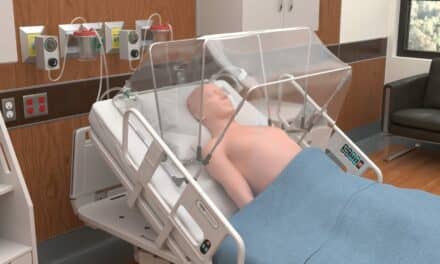
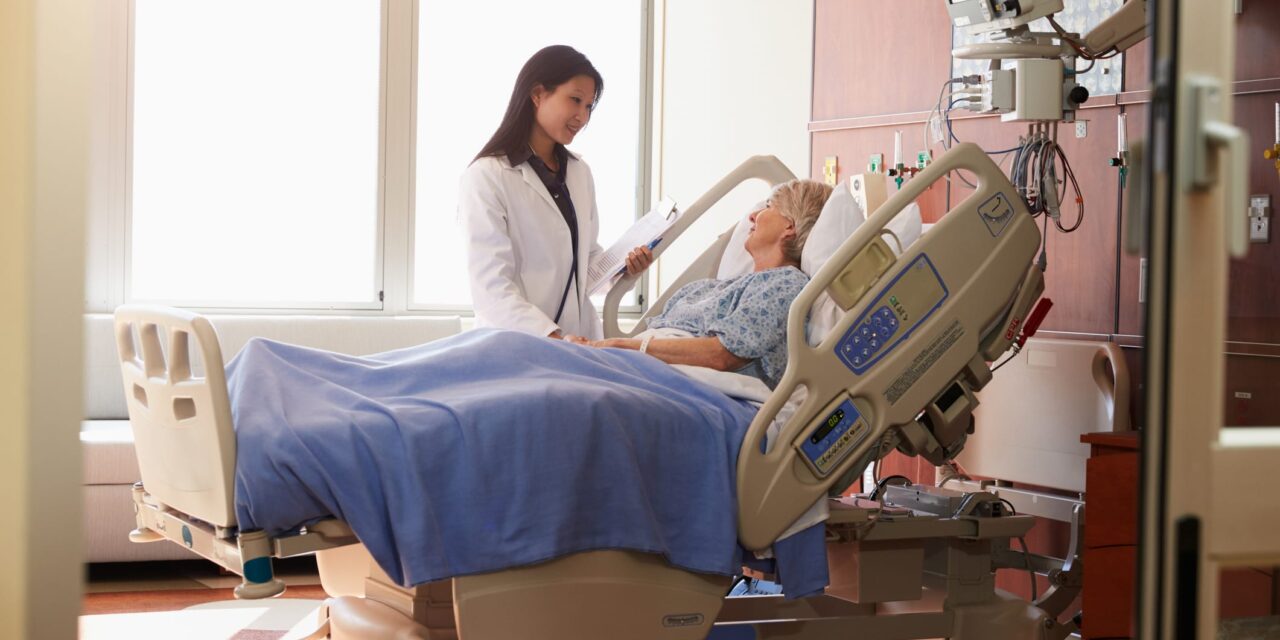
She noted that fall prevention strategies should include universal precautions, such as low bed positioning and accessible call lights, and population-specific interventions for higher-risk patients. When new technologies such as AI-enabled monitoring are introduced, healthcare organizations must evaluate how these tools can impact other parts of the system to avoid unintended risks, she said.
Kooker also stressed that fall prevention is not just a nursing issue, but a system issue. The entire healthcare team as well as caregivers and families need to be engaged in order to develop resilient, adaptable solutions that benefit patients across the continuum of care, she noted.
The panel was moderated by Shantanu Agrawal, MD, MPhil, chief health officer at Elevance Health. Fellow panelists were Tejal Gandhi, MD, MPH, CPPS, chief safety and transformation officer at Press Ganey, and Lisa Fitzpatrick, MD, MPH, MPA, chief executive officer at Grapevine Health.
ECRI offers several fall prevention resources and insights:
- “Patient Safety Falls Remain Stubborn Problem”
- ECRI Helps 11-member Short Stay Collaborative Reduce Falls by 15% and Readmission Rates by 28%
- Five Key Takeaways on Video-Based Patient Monitoring for Preventing Falls
- 10 Ways to Prevent Falls in Assisted Living Facilities
- Managing Falls in Aging Services and Reducing Risk of Claims
- Enhancing Falls Prevention Collaborative Informational Session
- Utilizing a PSO Learning System to Prevent Falls with AI Video Technology