The proposed amendments target Biden-era standards the agency says threatened the domestic supply of sterilized medical equipment used across health care settings.
The US Environmental Protection Agency (EPA) has proposed amendments to a 2024 rule governing ethylene oxide (EtO) emissions from commercial sterilization facilities, citing concerns that the existing standards jeopardized the domestic supply chain for sterilized medical devices and equipment relied upon in clinical settings nationwide.
The proposed changes would roll back key provisions of the 2024 National Emissions Standards for Hazardous Air Pollutants (NESHAP) for EtO Commercial Sterilization Facilities—a rule finalized during the Biden administration. According to the EPA, EtO sterilization accounts for roughly 50% of all medical device sterilization in the US each year, covering approximately 20 billion medical devices, and that no viable alternative is currently available at scale.
“This proposed rule shows EPA’s strong commitment to protecting people’s health while maintaining a stable domestic medical supply chain,” says EPA administrator Lee Zeldin, in a release. “The Trump EPA is committed to ensuring life-saving medical devices remain available for the critical care of America’s children, elderly, and all patients without unnecessary exposure to communities.”
What the Proposed Rule Would Change
The EPA’s proposal centers on a legal and scientific reexamination of the 2024 NESHAP. The agency argues that section 112(f)(2) of the Clean Air Act (CAA) limits EPA to a single residual risk review, which was completed in 2006. The Biden-era EPA conducted a second, “discretionary” residual risk review that the agency now argues was beyond its statutory authority—and that this second review, which used a risk-based value for EtO that was nearly a decade old at the time, formed the legal basis for the more stringent 2024 emission standards.
If finalized as proposed, the rule would:
- Remove the risk-based CAA section 112(f)(2) standards that underpinned the 2024 rule
- Eliminate the requirement for continuous emission monitoring systems
- Revise technology review standards for new aeration room vents (ARVs) where EtO emissions exceed 10 tons per year
- Remove requirements for permanent total enclosure
- Provide facilities with greater operational flexibility in how they meet remaining emission control requirements
The EPA estimates the proposed rule would save approximately $630 million in costs over 20 years, or roughly $43 million annually, not including what it describes as the “immeasurable value” of lives that could be lost without access to properly sterilized equipment.
Supply Chain Concerns Preceded the Proposal
Concerns about the supply chain impact of the 2024 rule were not new at the time of the proposal. During and after the Biden administration finalized the 2024 NESHAP, the medical community, industry stakeholders, and federal agencies—including the Food and Drug Administration (FDA)—raised concerns about whether sterilization facilities could realistically comply with the new, more stringent standards before the compliance deadlines.
In January 2025, the Biden administration established a presidential exemption process from its own rule due to facilities’ demonstrated inability to meet required standards in time—and the agency’s acknowledgment that facility closures could directly endanger patients. On March 12, 2025, the Trump EPA announced it would reconsider the 2024 NESHAP, and formally granted voluntary reconsideration on March 21, 2025.
EtO Sterilization and Its Role in Healthcare
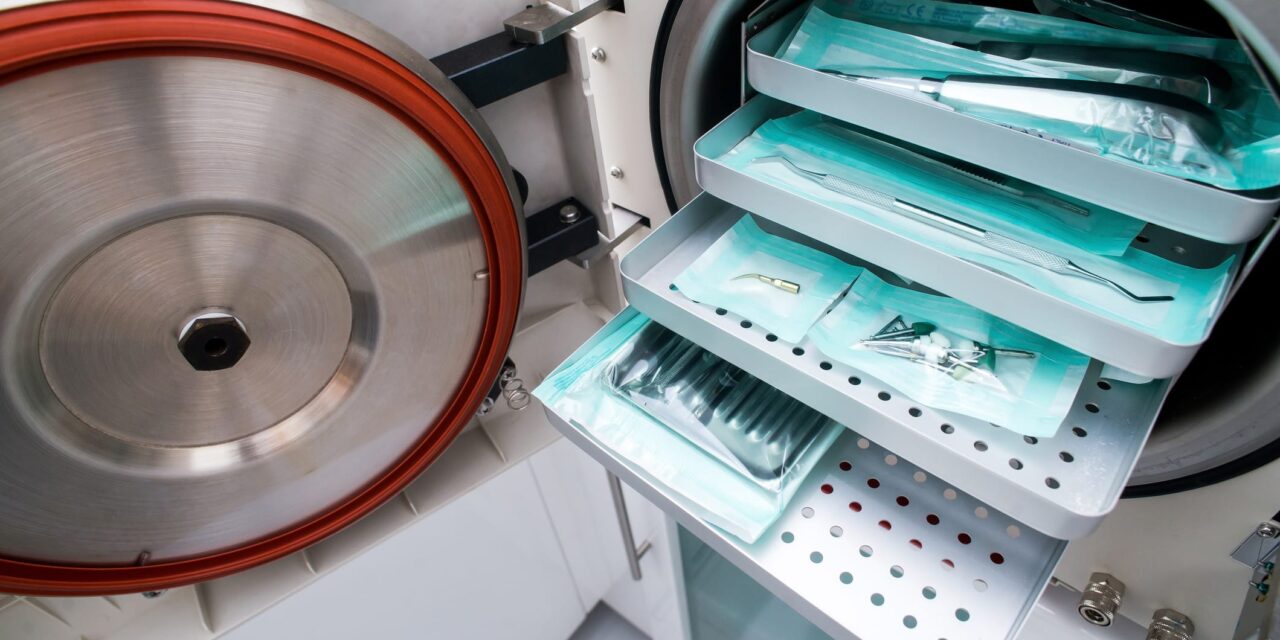
EtO is a colorless gas used to sterilize heat- and moisture-sensitive products that cannot withstand other sterilization methods. In clinical and health care settings, EtO sterilization is applied to a wide range of devices—from general items like wound dressings and surgical gowns to specialized devices such as stents, catheters, syringes, and ventilators. It is also the only effective sterilization method for many products where heat or radiation would cause damage.
There are approximately 90 commercial sterilization facilities in the US, operated by around 50 companies. The EPA first issued NESHAP regulations for EtO sterilizers in 1994 under section 112(d) of the CAA, with a subsequent residual risk and technology review finalized in 2006 that resulted in no further changes. The 2024 NESHAP represented the first major revision since that 2006 review.
Scientific Review Also in Scope
As part of the rulemaking process, the EPA is also soliciting public comment on new scientific information related to EtO exposure and toxicity. Since 2016, new epidemiological studies and advances in dose-response modeling have emerged. The agency notes that EtO is produced within the body through normal metabolic processes, as well as from tobacco smoke and other combustion sources, and says this context is relevant to updating its understanding of exposure risk.
The EPA will also consider the Texas Commission on Environmental Quality’s 2020 alternative toxicity assessment for EtO, as well as other alternative values not yet incorporated into agency decision-making. The agency has indicated that findings from this review could inform whether the 2016 EtO Integrated Risk Information System value remains appropriate for estimating regulatory risk.
The EPA will accept public comments on the proposed rule for 45 days following its publication in the Federal Register. A virtual public hearing will be held 15 days after publication.
ID 54207474 © Stanislav Valenga | Dreamstime.com