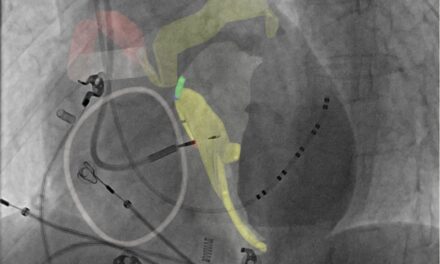
Social Engineering Drives 88% of Healthcare Cybersecurity Losses
A new report finds that average cyber insurance claim severity in the healthcare sector exceeded $2 million per incident in 2025.


A new report finds that average cyber insurance claim severity in the healthcare sector exceeded $2 million per incident in 2025.
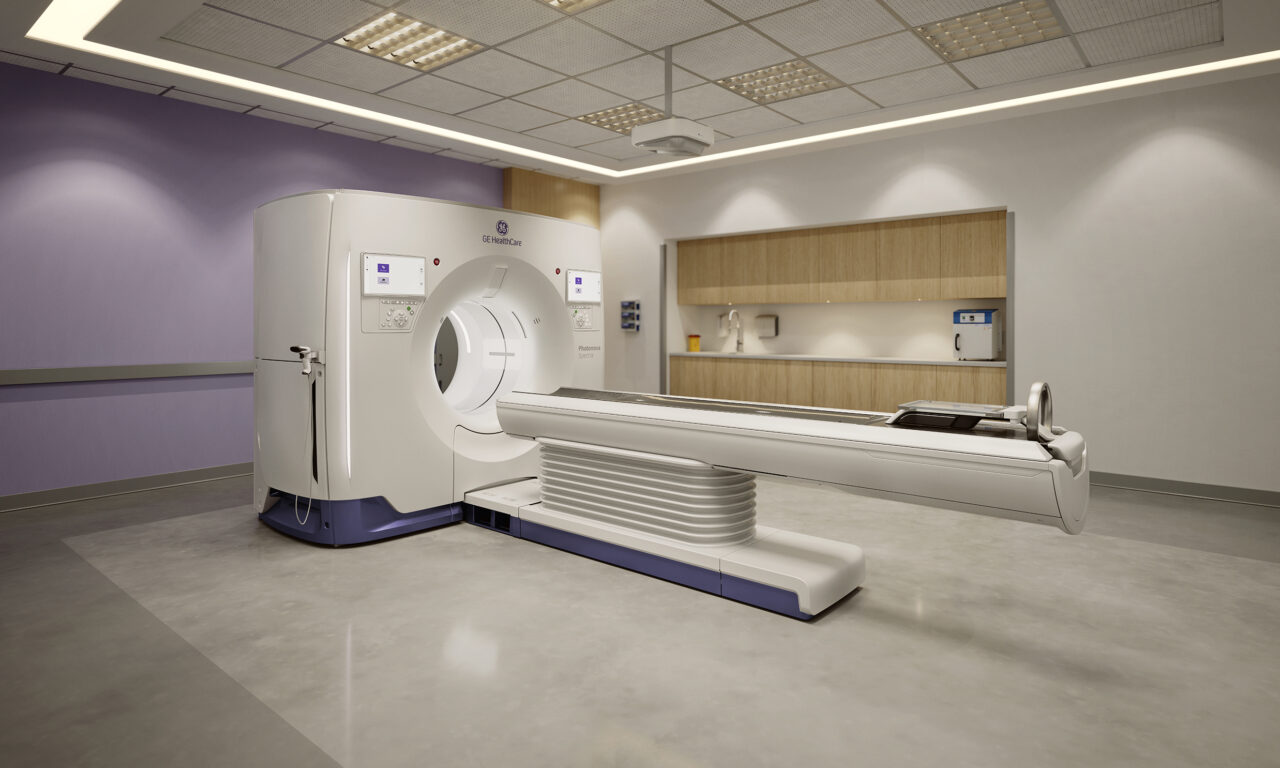
The cleared system introduces photon-counting CT designed to capture spectral data in a single scan and reduce protocol complexity.

FDA identifies Class I recall as most serious type due to software anomalies that may cause unexpected shutdowns and interface freezing.
Read More
Service manuals aren’t optional or proprietary “extras” in a hospital. They’re required for safe maintenance and compliance, and they should be non-negotiable at purchase.
Read More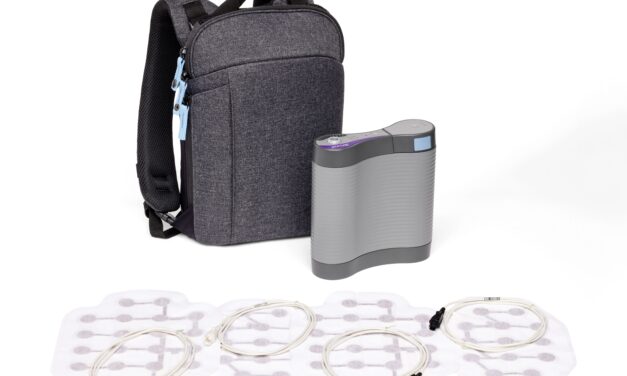
The wearable system uses alternating electrical fields to disrupt cancer cell division and can be used continuously during daily activities.
Read More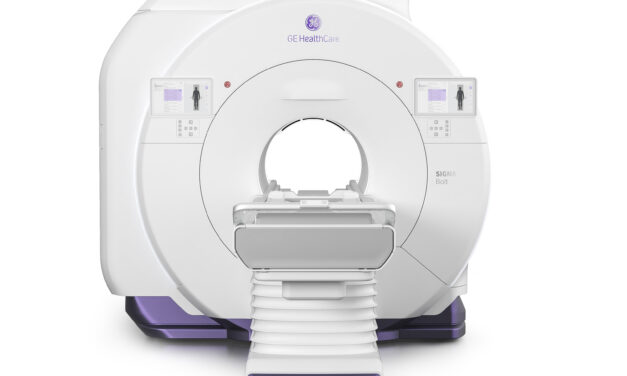
The SIGNA portfolio includes a helium-free 1.5T system, advanced 3T scanner, and AI-driven workflow platform designed to improve imaging efficiency.
Read More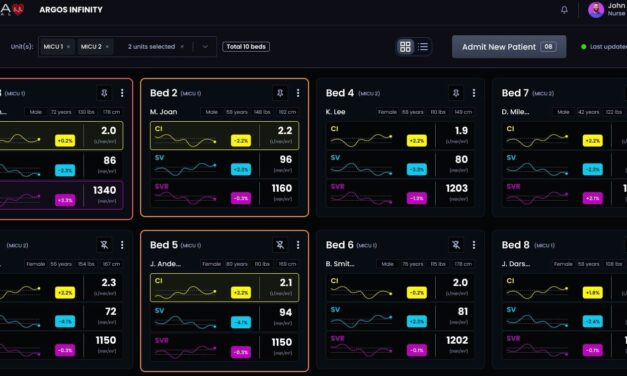
Argos Infinity analyzes existing physiologic data streams to provide early detection of hemodynamic instability without requiring new bedside hardware.
Read More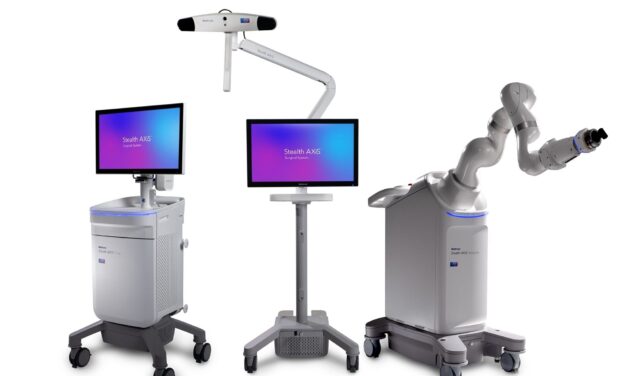
The system brings surgical planning, real-time navigation, and robotic capabilities together in a single platform designed for spine procedures
Read More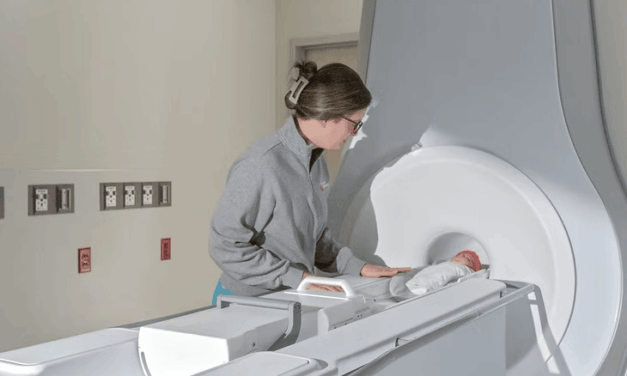
The system features a compact footprint and is designed for whole-body imaging in neonatal care settings.
Read More
Revised guidance aligns with quality management system regulation changes and provides recommendations for cyber device submissions under section 524B of the FD&C Act.
Read More
Lessons from 2025’s breaches point to a tougher reality in 2026, as AI adoption accelerates and cybersecurity becomes inseparable from patient care.
Read More
The mobile C-arm system features AI-powered imaging tools and cable-free design for interventional procedures.
Read More
ECRI’s report also sounds the alarm on insufficient planning for systems outages, substandard medical products, missed recalls of home diabetes management devices, and more.
Read More
The agency exceeded its three-month termination timeline for 74% of recalls during fiscal years 2020-2024, due to staff constraints that limited oversight activities, the report finds.
Read More