BMC Medical Recalls APAP Devices Over Firmware Defect That Can Halt Therapy
The FDA classified the action as a Class I recall after the manufacturer determined that some devices may not have received a previous firmware upgrade.


The FDA classified the action as a Class I recall after the manufacturer determined that some devices may not have received a previous firmware upgrade.

The agency warns of a high-risk issue where needle components may lock during insertion, potentially delaying critical care.






The Food and Drug Administration identifies the software update and nebulizer restrictions as the most serious type of recall.





The FDA classified the action as a Class I recall after the manufacturer determined that some devices may not have received a previous firmware upgrade.

Olympus has updated use instructions after reports that the ligation loop may not release as expected, potentially requiring emergency intervention.
Read More
The company advises taking any dropped or severely jarred modules out of service and sending them to biomedical engineering for inspection before reuse.
Read More
GE HealthCare is updating use instructions after reports certain systems may not switch to battery mode during AC power loss, potentially disrupting ventilation and agent delivery.
Read More
The company is pulling the Life2000 system from the market after finding a vulnerability that could allow unauthorized changes to ventilation settings.
Read More
The FDA issued a safety alert after users reported nitric oxide dose fluctuations, potentially leading to hypoxemia or increased pulmonary artery pressure.
Read More
The issue affects certain systems in which ice may obstruct the venting system, potentially leading to dangerous overpressure events if a magnet quench occurs.
Read More
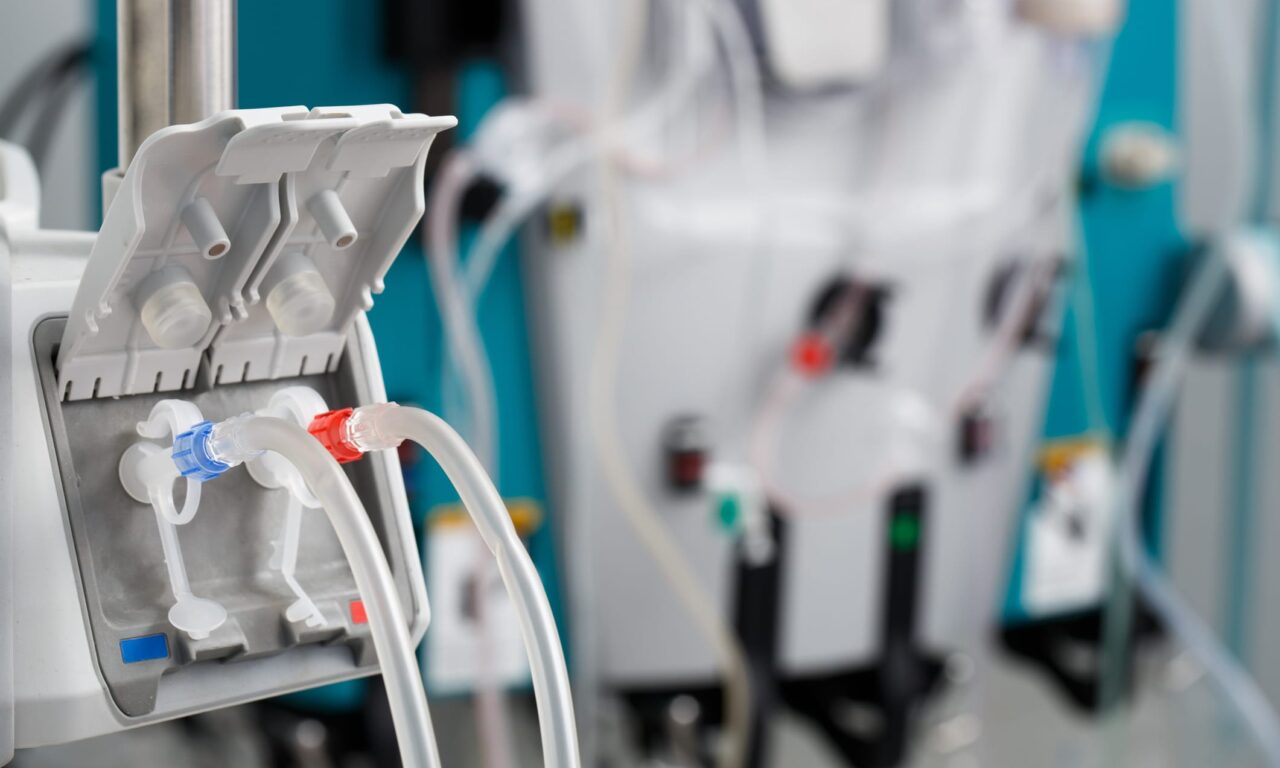
The alert follows reports of damaged patient connectors that could introduce micro-air bubbles, trigger air-in-line alarms, and lead to treatment delays or blood loss during hemodialysis.