
Continuing education gives BMETs a way to build on what they know and become better technicians as their careers progress.
By Enrique Ortega, MBA, MEM, PMP
Education has always been important to me. I started my career as a biomedical equipment technician (BMET) at 18, and I’ve been taking classes in one form or another ever since. I believe that becoming a better technician means continuing to work on what you know, even after you are qualified to do the job. The same is true of becoming a better leader.
I’ve spent plenty of time with textbooks and exams, and my reason for continuing my education is simple: I want to understand more and be better at what I do. When something I have learned helps me solve a problem or guide a coworker, the effort feels worthwhile.
That belief is what I bring to my new role as a BMET program director. After working in Air Force biomedical maintenance, field service, medical imaging, and hospital clinical engineering leadership, I want to help new technicians get started. I also want them to see education as something they can continue to benefit from throughout their careers.
What My Own Training Gave Me
I was fortunate to attend the military’s tri-service biomedical equipment training program. We were exposed to a wide range of equipment, and that gave me confidence when I entered a hospital and encountered a device I had never worked on before. I might not know that particular model, but I had a basic understanding of how it worked and somewhere to begin learning about it.
That foundation has stayed with me. It didn’t mean I could perform every repair without further training or service information. It meant I could make better use of those resources because I understood the principles behind the equipment.
For someone entering the field, this is where I would start: basic electricity and electronics, equipment operating principles, and safe maintenance practices. I would also make sure students become comfortable reading technical documentation and using test equipment under supervision. These are subjects I would want them to understand well before moving into more specialized work.
One troubleshooting method I learned early was to start with the problem itself and work backward. What is the equipment supposed to do, and what is preventing it from doing that? Understanding how a system works helps a technician investigate those questions instead of guessing which part to replace. I want students to spend enough time on the fundamentals to be able to explain their reasoning.
Learning After the First Job
My responsibilities changed as I moved through different parts of the profession. Field service required more independence. Moving into leadership meant taking responsibility for other people’s work as well as my own. I couldn’t approach every new role with exactly the same knowledge and expect it to be enough.
I have worked with good technicians who became comfortable with what they already knew. They had experience and ability, but eventually stopped looking for ways to improve. The technicians who stood out to me continued taking courses, asking questions, and volunteering to learn unfamiliar work with the right support.
Continuing your education doesn’t have to mean enrolling in another degree program. A manufacturer’s training course or a workshop may address a particular gap. Studying service information and working alongside an experienced technician can also help someone develop. What matters to me is whether the person is making an effort to understand more than they did before.
For a new BMET looking for a place to start, the questions that come up during the workday can be useful. A confusing section of a service manual or an unfamiliar test procedure can point to something worth studying. Bring those questions to a supervisor or mentor, and ask what training would help. It’s easier to decide on a next step when you know what you need to work on.
What I Want to Bring Into the Classroom
As an educator, I want students to have time to work with equipment and connect what they have read to what they are seeing. Passing an exam is important, but I also want to hear a student explain why a test is appropriate or what a result tells them.
For example, students could investigate a simulated fault in a training monitor using a patient simulator and the manufacturer’s service information. I wouldn’t identify the faulty component for them. Instead, I’d ask them to work through the symptoms, perform the assigned tests under supervision, and explain what they found. Knowing why they chose a particular test would tell me more about their understanding than simply seeing the right answer.
Afterward, we could talk about where they got stuck and what helped them move forward. A student who reached the wrong conclusion might still have followed a useful line of reasoning before missing something important. I’d want to work through that with them so they understood the mistake and could approach the next problem differently.
Students also need to feel comfortable saying they don’t understand. I have seen technicians hesitate to admit mistakes, and I don’t want that habit to begin in the classroom. Errors need to be addressed, especially when safety is involved, but asking for help should be encouraged. There is little value in a student pretending to understand a procedure just to avoid embarrassment.
I would include introductory work in medical-device networking and cybersecurity as part of that foundation. My goal would be to help students recognize issues they need to learn more about, understand the limits of their role, and know when to seek qualified support. I would not expect an entry-level graduate to be a specialist in every area.
Working technicians and employers should have a voice in this process. Through advisory committees, they can help educators identify where new hires need more preparation. Supervised internships and mentorship can then give students opportunities to apply their learning outside the lab. I want that feedback to help shape what we teach, rather than assume that a curriculum covers everything a new technician will need.
Helping the Next Technician Get Started
My advice to someone entering this profession is to take the early training seriously and stay curious afterward. Ask the question you are unsure about. Take advantage of training when it becomes available, and be willing to learn from the people around you. You don’t have to know everything to begin, but you do have to be willing to keep working at it.
Those of us with experience have a responsibility to help. Taking time to explain why we chose a particular test can give a newer technician something they can use on the next repair. Sharing our knowledge is one practical way to contribute to the field.
I’ve spent much of my career working on my own education. Now I want to put that experience into helping new BMETs develop. After so many years as a student, I’m looking forward to helping someone else get started, and continuing to learn as I do.
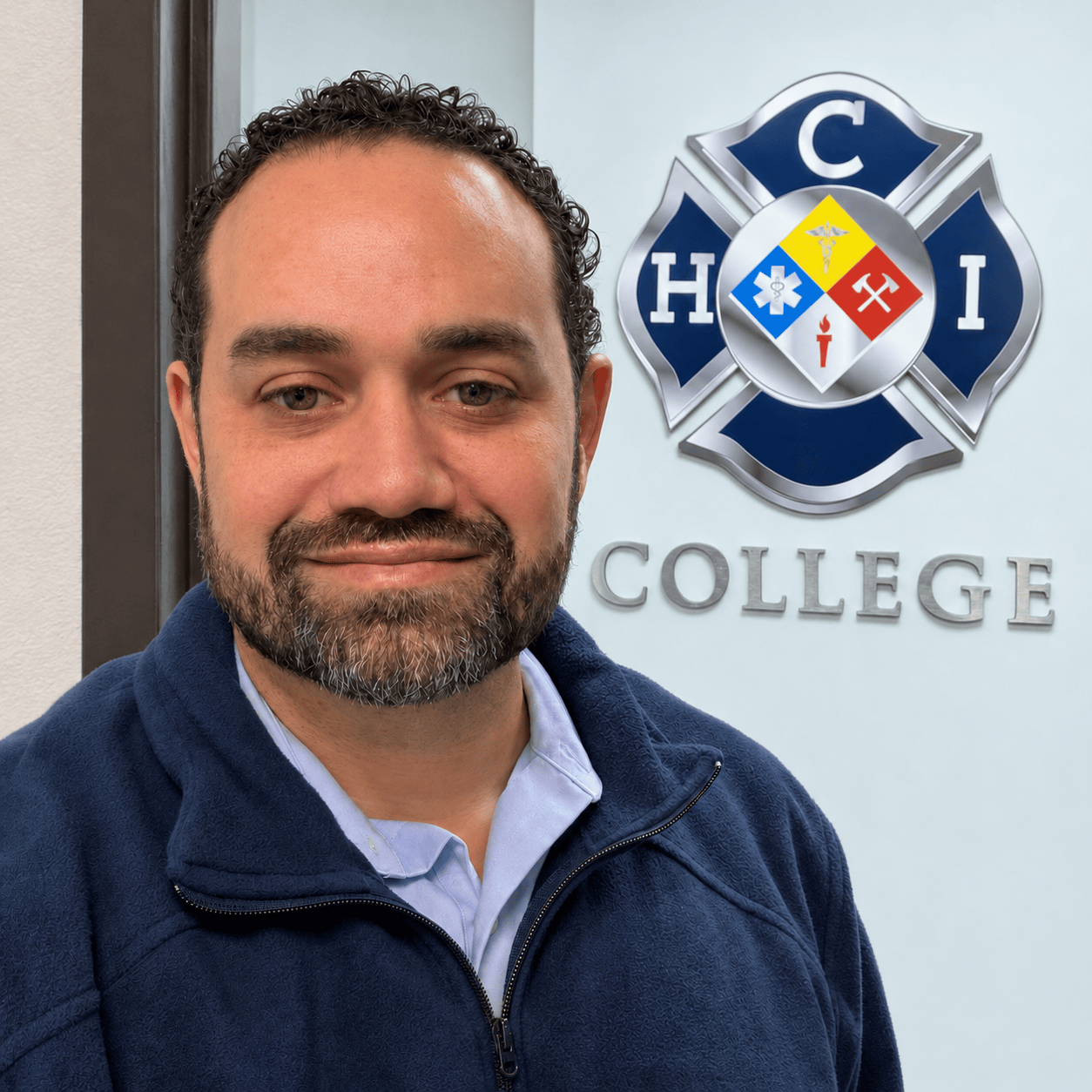
About the author: Enrique Ortega, MBA, MEM, PMP, is the biomedical equipment technology program director at HCI College in West Palm Beach, Florida. His experience includes US Air Force biomedical maintenance, medical imaging field service, and hospital clinical engineering leadership.
Disclosure: The author is employed by HCI College as its biomedical equipment technology program director at the West Palm Beach campus.
ID 463265011 © Thodonal | Dreamstime.com