City of Hope Brings Biomed In-House
After more than a decade of outsourcing, the cancer center transitioned its HTM program in-house to align technical service with its clinical mission.

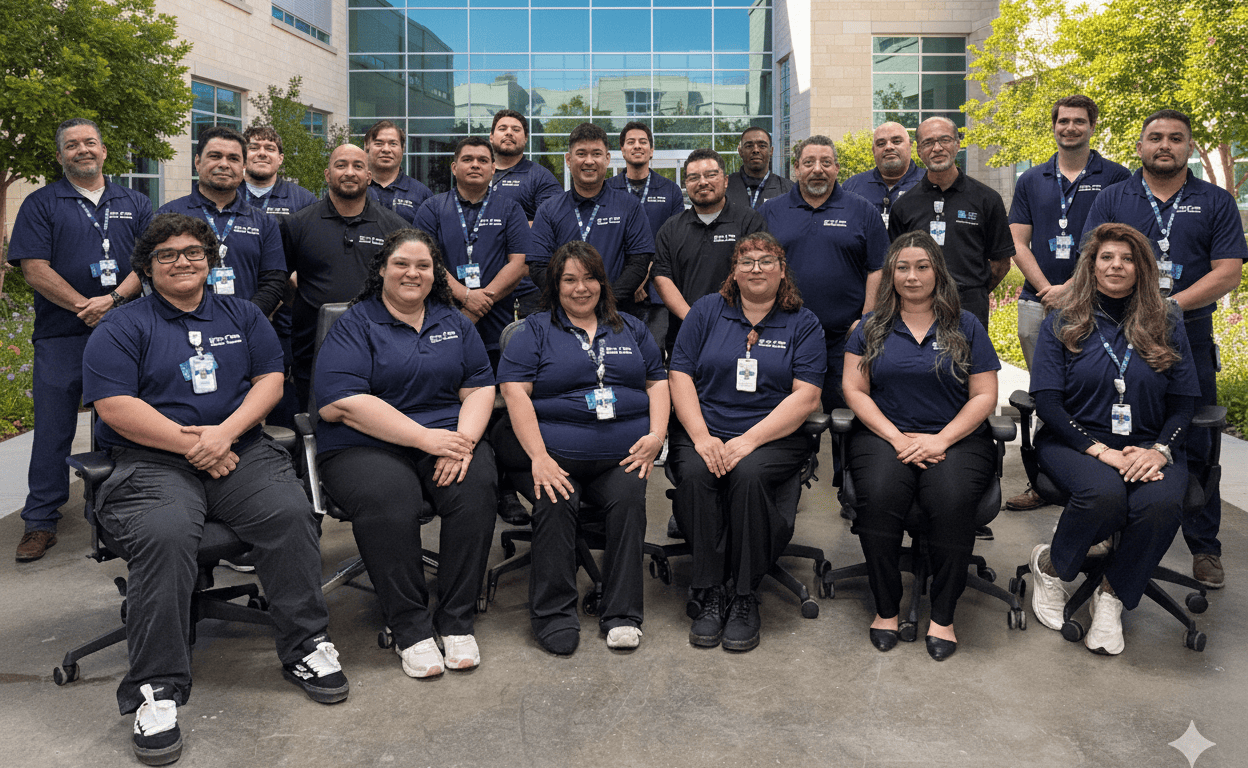
After more than a decade of outsourcing, the cancer center transitioned its HTM program in-house to align technical service with its clinical mission.

24×7 invites HTM professionals to participate in its job compensation and salary survey, with results to be featured in the January/February 2025 issue, and offers a chance to win a $150 Amazon gift card as a thank-you.





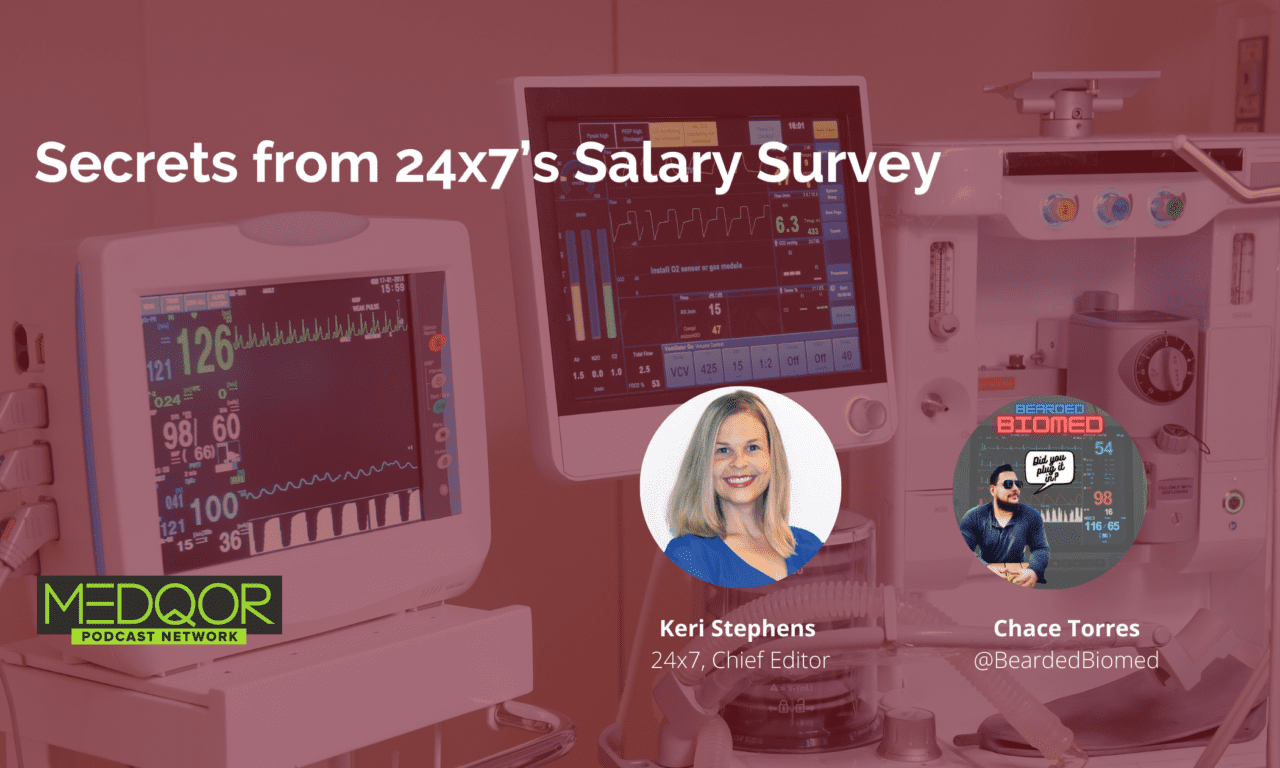
In this podcast, 24x7’s chief editor Keri Stephens sits down with Chace Torres, aka “The Bearded Biomed,” to discuss the results of 24x7’s 2022 compensation and job satisfaction survey. Notably, the survey saw an increase in engagement, with female respondents doubling from the previous year.





The HTM profession is facing a crisis at a time when healthcare organizations need these professionals more than ever. The problem? As the majority of biomeds near retirement age, there are not enough millennials to fill their shoes. Here, Dräger’s Rob Cermak shares how to identify and develop the next generation of HTM professionals.

The good news first: Median salaries grew nationwide in four major job categories—BMET 1, BMET2, BMET3, and director/executive—in 2021, with BMET 2s seeing the largest, year-over-year, gains. (In 2020, the median national salary for BMET 2s was $61,000; in 2021, it rose to $67,300). Unfortunately, that’s where the good news ends.

With today’s graying biomed population retiring at a steady pace and fewer younger people entering the field, HTM managers need to heed this alarm and what it means for the future of the profession. Here’s how succession planning comes in.

Situated in Silicon Valley, Fremont, Calif.-based Washington Hospital Healthcare System is known for its commitment to patient care. And a key part of fulfilling this commitment is due to the hospital’s biomedical engineering program, led by Paul Kelley, CBET, AAMIF.