Hospital AI Adoption Is Outpacing Cybersecurity Protections, Report Warns
Black Book Research identifies major security gaps as healthcare facilities deploy autonomous tools and models without proper safeguards.


Black Book Research identifies major security gaps as healthcare facilities deploy autonomous tools and models without proper safeguards.

The system creates preliminary report text from chest X-rays and is intended to support radiologists facing increasing workloads.







The new industry report provides insights from health system leaders on adopting AI, building supply chain resilience, and maintaining efficient operations.





Black Book Research identifies major security gaps as healthcare facilities deploy autonomous tools and models without proper safeguards.

Guidehouse-HIMSS analysis finds a lack of operational readiness for AI due to “execution paralysis,” despite widespread investments.
Read More
AI is starting to touch maintenance, documentation, and device risk management in practical ways. Here’s where HTM leaders are likely to see the biggest impact in 2026.
Read More
Claude for Healthcare adds medical database connectors and prior authorization capabilities, while life sciences features expand to clinical trial management.
Read More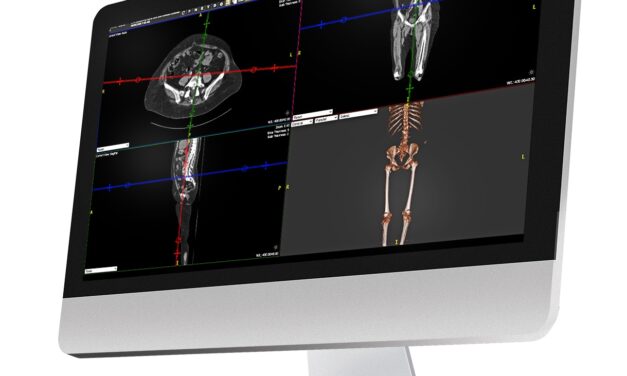
Direct integration with the operating system is designed to give health systems a single environment for managing regulatory-cleared AI tools within existing imaging workflows.
Read More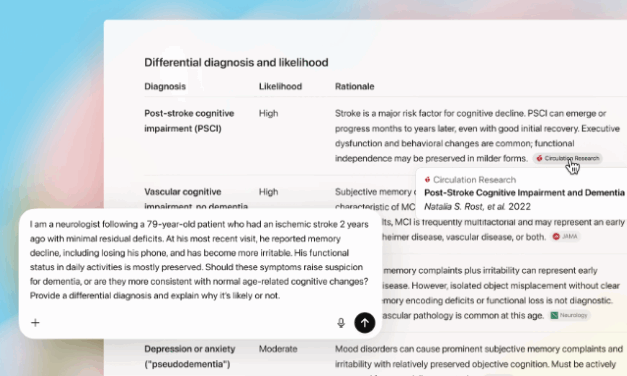
The new platform includes ChatGPT for Healthcare and expanded API tools designed for use across clinical, administrative, and research workflows.
Read More
New agentic functionality is designed to support capital planning decisions and inventory management for health systems.
Read More

A randomized clinical trial evaluated ambient documentation tools already deployed across thousands of healthcare facilities nationwide.